DIAMOND GRADING LABORATORIES
A diamond graded by an independent gemological laboratory should provides assurance that the diamond is authentic and of the quality that is stated on the certificate. Third party affirmation from a grading laboratory is to provide transparency and add confidence to the review of the 4C's (cut , color, clarity and carat weight) and that they have been accurately assessed.
GEMOLOGICAL INSTITUTE OF AMERICA(GIA)
The industry benchmark! The Gemological Institute of America (GIA) is a nonprofit organization that aims to protect and educate the public about gemstones and jewelry.
GIA was founded in 1931 by Robert M. Shipley, a jeweler who wanted to professionalize the industry and establish standards for gemstone quality. He created the first gemology correspondence course in the US and later established a school and laboratory in Los Angeles. GIA is best known for developing the 4Cs of Diamond Quality (cut, color, clarity and carat weight) and the International Diamond Grading System™, which are widely used by jewelers and consumers today. GIA also created the GIA 7 Pearl Value Factors™ to evaluate pearls. GIA has grown into a global institution with headquarters in Carlsbad, California, and offices, laboratories and schools in many countries. GIA conducts research on various aspects of gemology, such as identification, origin determination, treatments and synthetics. GIA also offers education programs for aspiring gemologists, appraisers, designers and retailers. GIA awards diplomas and certificates to graduates who complete its courses.
GIA's mission is to ensure the public trust in gems and jewelry by upholding the highest standards of integrity, academics, science and professionalism. GIA's vision is to be the world's foremost authority on diamonds, colored stones and pearls.
 recommend buying GIA certified diamonds from top tier sellers like James Allen or Blue Nile. If you wish to search for colored diamonds, strongly recommend Lebish.
For more information, please visit www.gia.edu
AMERICAN GEM SOCIETY LAB
AGS recently completed its merger with the GIA, with GIA absorbing the laboratory and all its IP and technology. The American Gem Society Laboratory (AGSL) was a nonprofit diamond grading laboratory that operated from 1996 to 2023. It was formed by the American Gem Society (AGS) and industry members to provide a high standard of cut grading for diamonds. The AGSL was known for its AGS Light Performance Cut Grade, which measured how well a diamond reflected light based on its proportions, symmetry, polish, and optical performance. The AGSL also offered other services such as diamond verification reports, origin reports, inscription services, and custom reports. The AGS developed their famous cut scale ratings which are based on ways of measuring how well a diamond reflects light based on its proportions, symmetry, polish, and optical performance. The scale ranges from 0 to 10, with 0 being Ideal and 10 being Poor. The scale also has descriptive words for each grade, such as Excellent, Very Good, Good, Fair, etc. The AGS cut scale ratings are different from GIA's cut scale ratings, which use only five grades: Excellent, Very Good, Good, Fair and Poor.
recommend buying AGS or GIA certified diamonds from top tier sellers like James Allen or Blue Nile. If you wish to search for colored diamonds,strongly recommend Lebish.
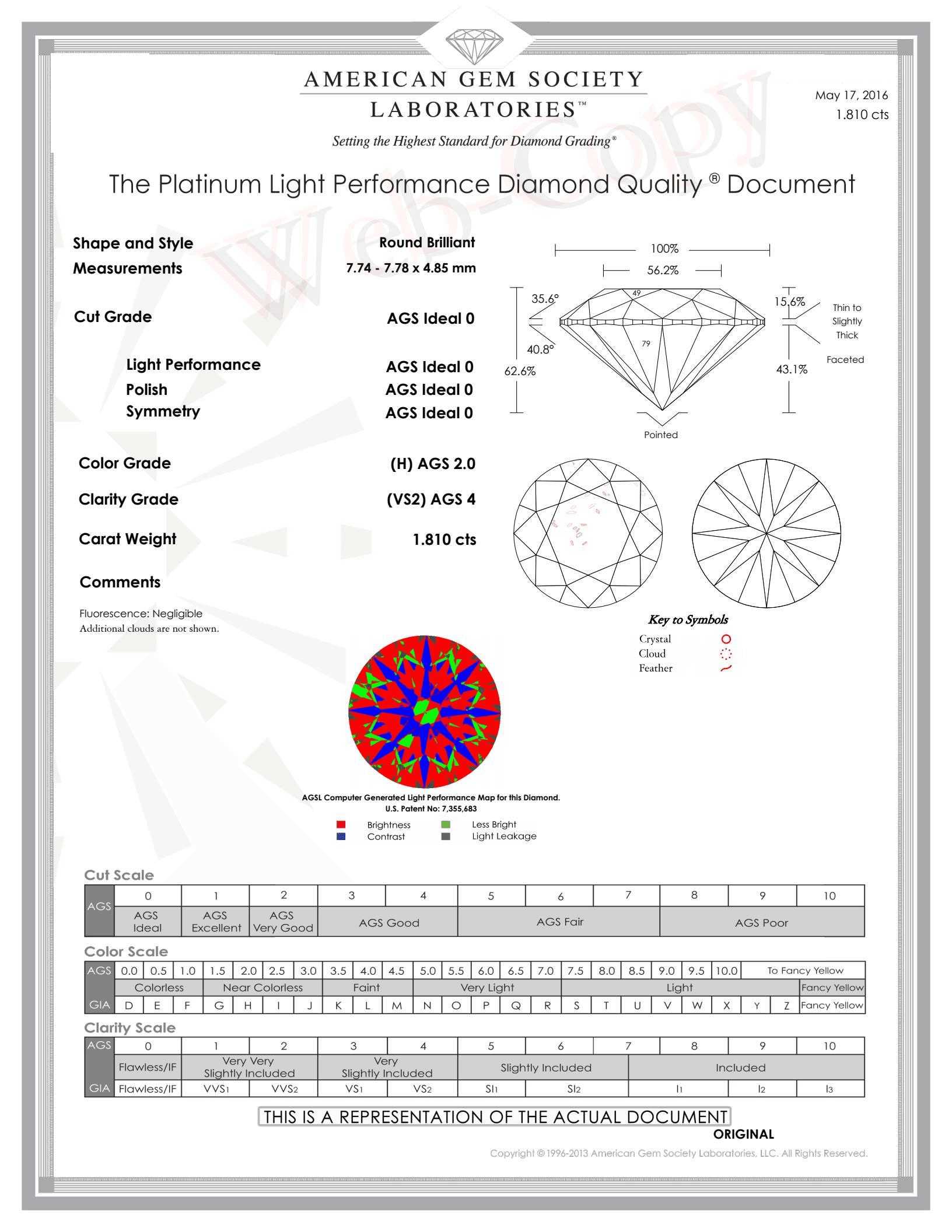
For more information please visit American Gem Society Laboratories Resource Page
INTERNATIONAL GEMOLOGICAL INSTITUTE
Also known as the IGI, this laboratory was founded in 1975 in Antwerp, Belgium. It is one of the largest and more respected gemological laboratories in the world, with offices in 23 cities across 15 countries. IGI provides grading reports, identification reports, appraisals, education programs, research services and laser inscription for diamonds, colored stones and jewelry.
In the United States, IGI set out on a mission to serve the mass retailers(Kays, Zales, Helzberg, etc). Providing not only a certificate of grading on the diamond or piece of jewelry, but also an appraised value. Hence making it easier for the salesperson to make the consumer feel comfortable. You may now find diamonds certified by the IGI online and in many retailers throughout the world. Historically, this laboratory has been lenient on grading than some of its peers, gia and ags. Over the past few years, they have been trying to button up the grading a bit, however, they do have some work to do if they wish to be as strict as some of the other laboratories. For more information, please visit IGI | Jewelry & Gemstone Grading | International Gemological Institute.
EUROPEAN GEMOLOGICAL LABORATORY
The European Gemological Laboratory is a network of independent gemological laboratories that provide certification of diamonds and jewelry. The laboratory was found in 1974 by Guy Margel, a Belgian diamond expert who wanted to create a more accessible and affordable alternative to other established laboratories. EGL found a niche in providing grading reports for smaller diamonds and introduced terms such as SI3 and yellow grades. EGL has branches in various countries around the world, such as Belgium, France, Israel, India, South Africa, Turkey, Hong Kong, China, Japan, Korea and Thailand. Each branch operates independently and has its own grading standards and methods. This is where the buyer needs to be careful. Some branches are more lenient than others.
recommend buying GIA certified diamonds from top tier sellers like James Allen or Blue Nile. For more information please visit Home (egllaboratories.org).
HRD ANTWERP
HRD is a laboratory based in Antwerp, Belgium. Antwerp, being one of the major rough and polish trading centers in the world, opened an opportunity for the industry representatives and the Belgian government to create a "High Diamond Council". In 1973, the HRD Laboratory was born. Mostly used outside of the United States, HRD provides a nice alternative to laboratories like the IGI or EGL. Some etailers ecommerce sites do sell HRD certificates. We tend to steer clear, but if you do consider an HRD option, keep in mind that the grading may not be as strict as the GIA.
recommend buying GIA certified diamonds from top tier sellers like James Allen or Blue Nile. For Colored Diamonds, strongly recommend Lebish.
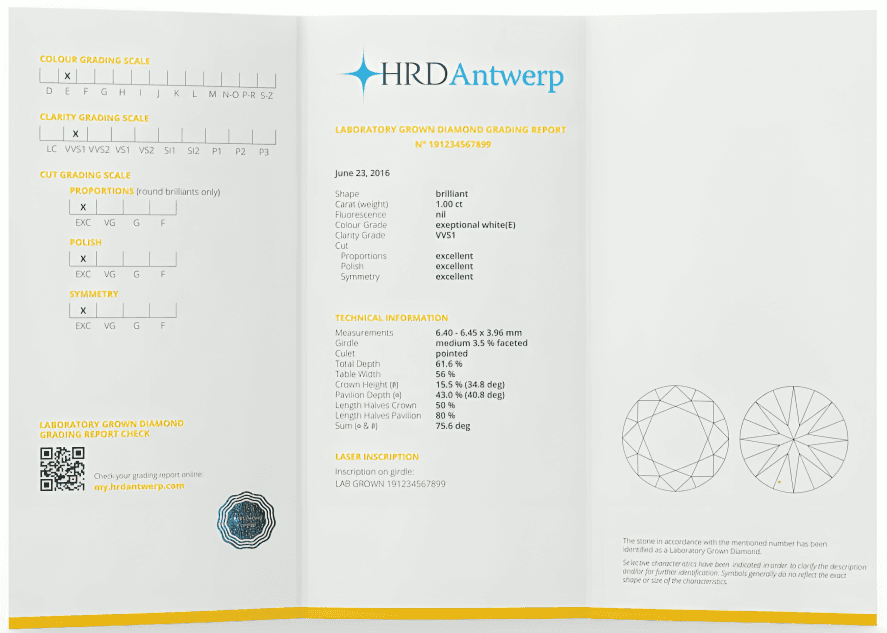
For more information, please visit https://hrdantwerp.com/
Gem Certification & Assurance Lab(GCAL)
Gem Certification & Assurance Lab (GCAL) is an independent gemological laboratory that provides diamond grading and certification with a guarantee. It was founded in 2001 by Donald A. Palmieri, a veteran gemologist and appraiser who has over 50 years of experience in the industry.
GCAL issues certificates that include detailed information on the 4Cs as well as optical brilliance analysis, light performance mapping, direct assessment light analysis (DALA), hearts and arrows analysis, laser inscription verification, origin identification (natural or synthetic), treatment detection (HPHT or irradiation), fluorescence grading, and security features. We think that GCAL can provide a nice complimentary bells and whistles, but it still should be accompanied with a GIA report for now.
recommend buying GIA certified diamonds from top tier sellers like James Allen or Blue Nile.
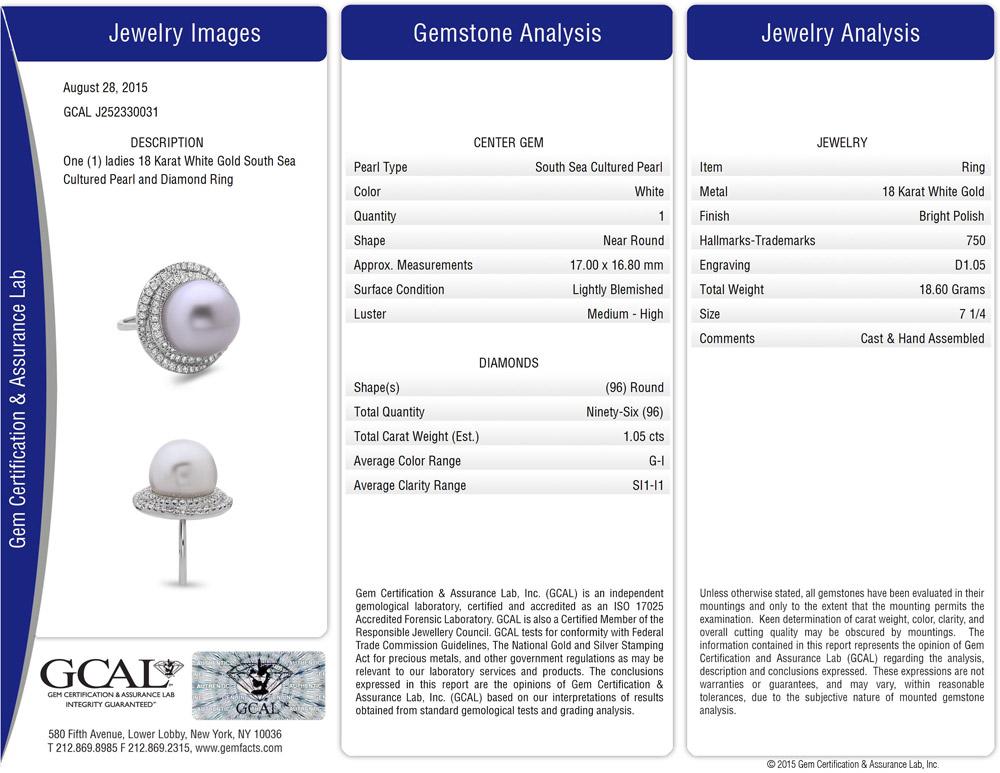
For more information please visit Gem Certification & Assurance Lab (gcalusa.com)
GEMEX
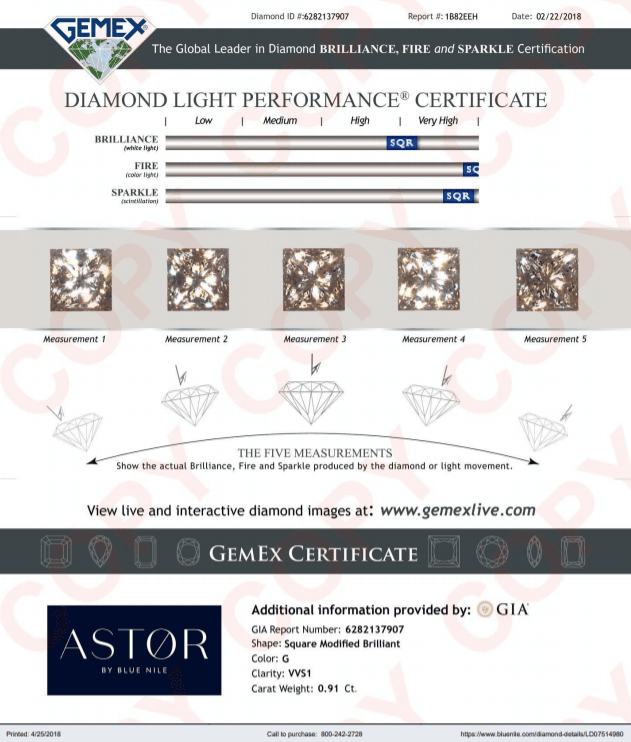
GemEx, founded in 1998, pioneered the concept of scientifically measuring diamonds for light performance. Using a unique lighting technology developed by engineers, it is named the Imaging Spectrophotometer. GemEx can determine and quantify the brilliance, fire, and sparkle of every diamond they certify. GemEx scientifically measures the play of light in each diamond to certify its light performance.
If you come across other laboratories, pause...We don't recommend you pursue unless you are able to verify their independence and lack of conflict of interest.
recommend buying AGS or GIA certified diamonds from top tier sellers like James Allen or Blue Nile.
For more information please visit How to buy a beautiful diamond | GemEx Systems, Inc.
SCHEDULE A CONSULTATION WITH HERE
HERE
WHAT IS A DIAMOND CERTIFICATE?
A diamond certificate is a document that provides information and grades for each of a diamond's characteristics based on the 4Cs – carat weight, color, clarity, and cut quality. A diamond certificate should be issued by an accredited gemological laboratory, such as the Gemological Institute of America, after a scientific analysis of a diamond. A diamond certificate helps you verify the quality and value of a diamond.
HOW DO I READ A DIAMOND GRADING REPORT (CERTIFICATE)?
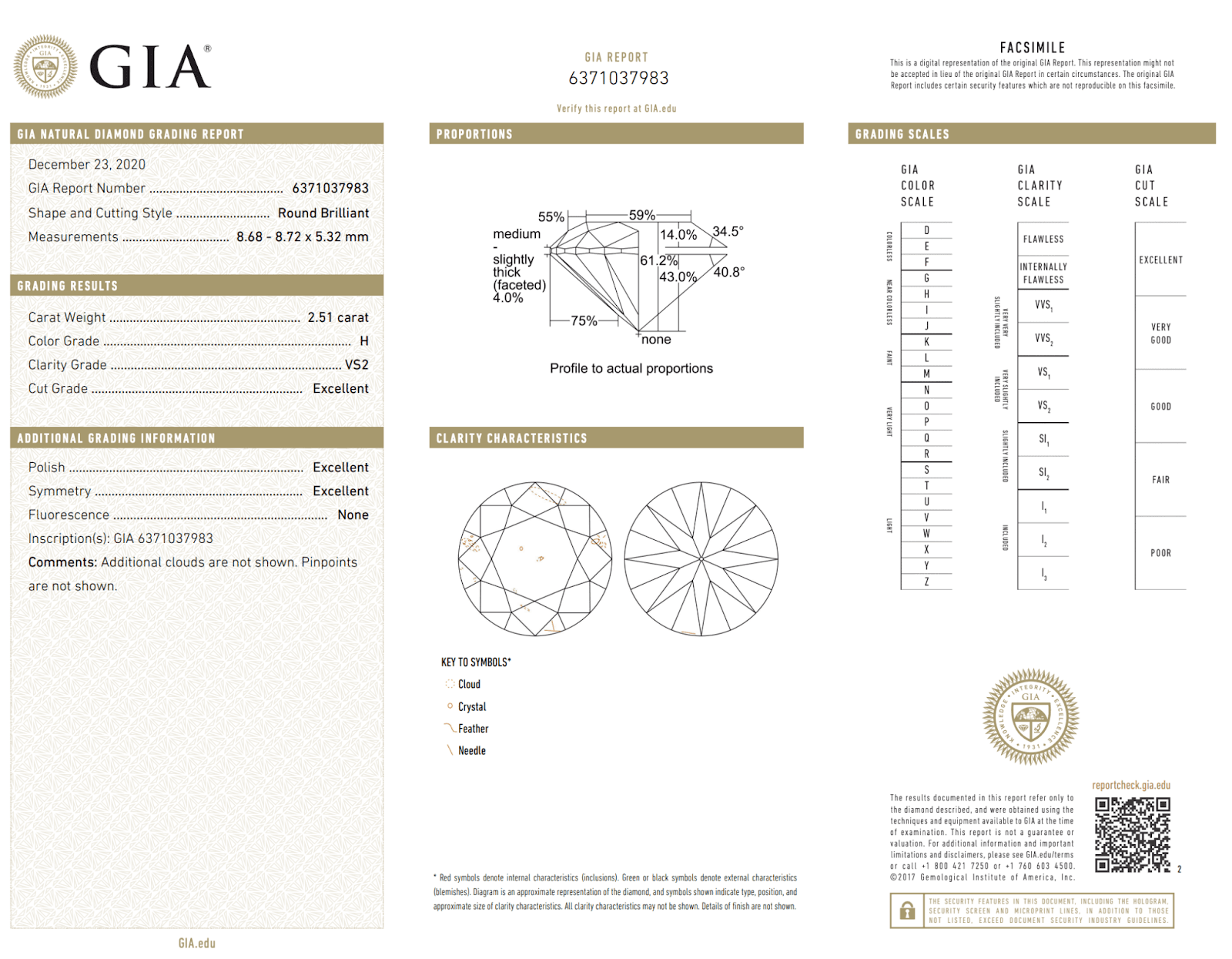
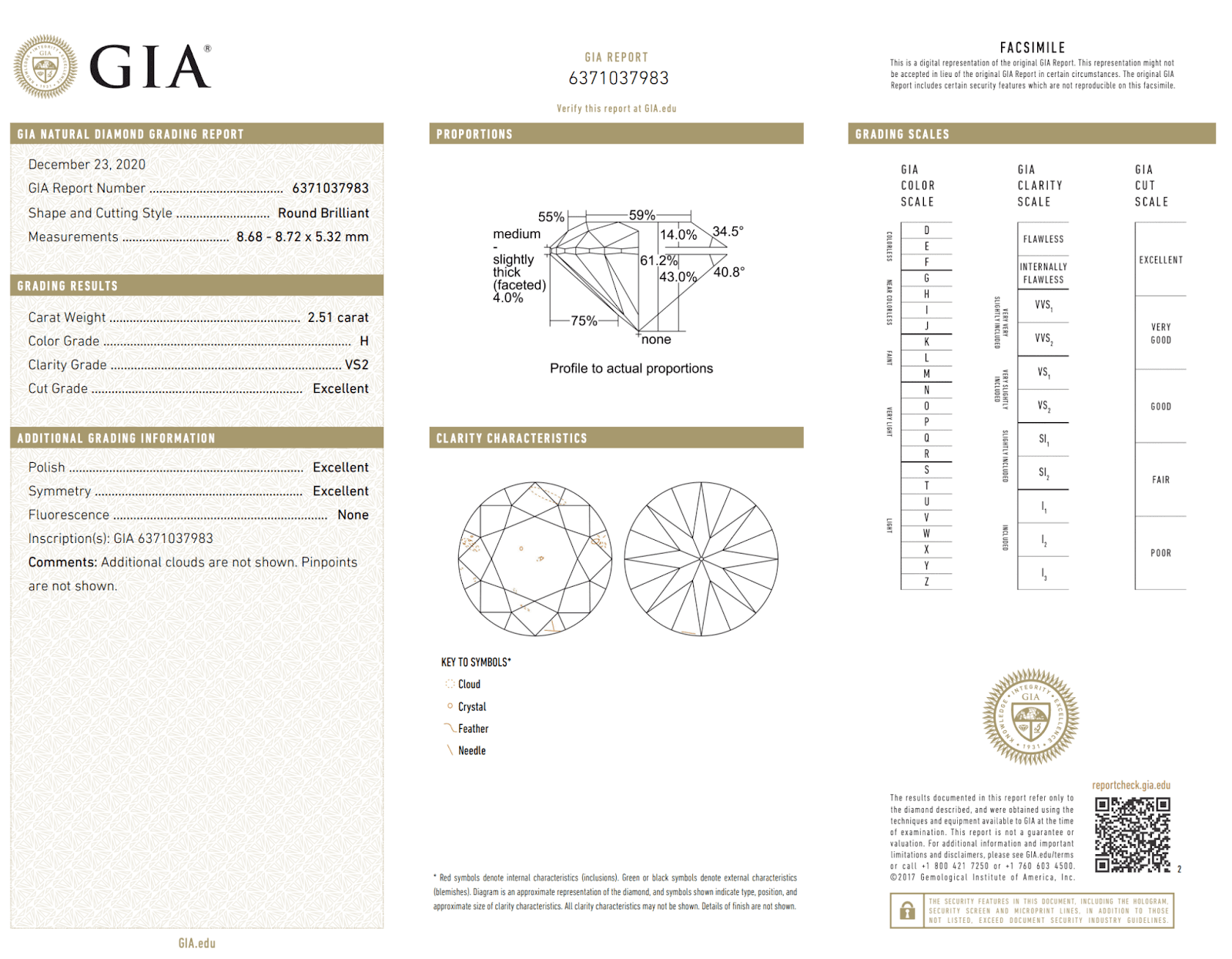
If you want to read and dig super deep, let's get to it! For this section, we are going to explain how to read a GIA grading report. A GIA grading report for a diamond is supposed to verify what the jeweler/seller is representing to you. However, once you start looking at a report it may look like a whole lot of gibberish. You have percentages and angles and measurements. How do you make heads or tails of something like this!?
When you actually understand what a GIA report is telling you, you should feel a lot more comfortable in clearing that first major hurdle when buying a diamond online.
Below we will explain to you each and every section involved on a GIA grading report. So are you ready to rock? Pun intended:
Date
The date the diamond went to examination and evaluation by the laboratory.
GIA Report Number
It's like the diamond's social security number. It is the unique identification give to the diamond. No two diamonds have the same number.
Shape and Cutting Style
Shape is the outline of the stone when viewed face up, such as round, oval, pear, etc. Cutting style is the facet arrangement, such as brilliant, step, mixed, etc.
Measurements
The actual size of the diamond measured in millimeters, according to the following formula: minimum diameter x maximum diameter x depth for Round diamonds and length x width x depth for other shapes like Emerald-cuts, Ovals cuts and Pear shapes.
The weight here is represented in carats and recorded to the nearest hundredth of a carat. Carat weight has nothing to do with telling us the actual size. It is simply how much the diamond weighs on a scale. One carat is equal to ⅕ of a gram or 0.02 grams and in the diamond world, one carat = 100 POINTS.
Color Grade
Diamonds are graded on the absence of color using a scale of D to Z where D is best and Z would indicate some yellow or brown color. Color grading a diamond is the process of evaluating the body color of the diamond on a pure white background, face down. The color grade is determined by comparing the diamond to master stones or a set of reference stones with known color grades.
Clarity Grade
Clarity grading a diamond is the process of evaluating the number, size, position, nature and visibility of inclusions (internal flaws) and blemishes (external flaws) in the diamond. The clarity grade is determined by using a standard magnification of 10x and comparing the diamond to reference stones with known clarity grades.
Excellent
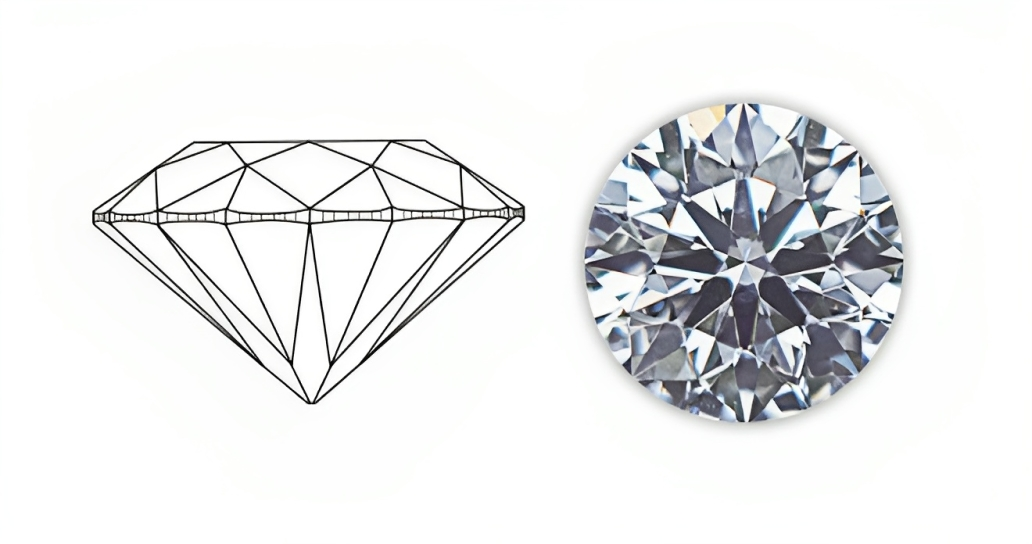
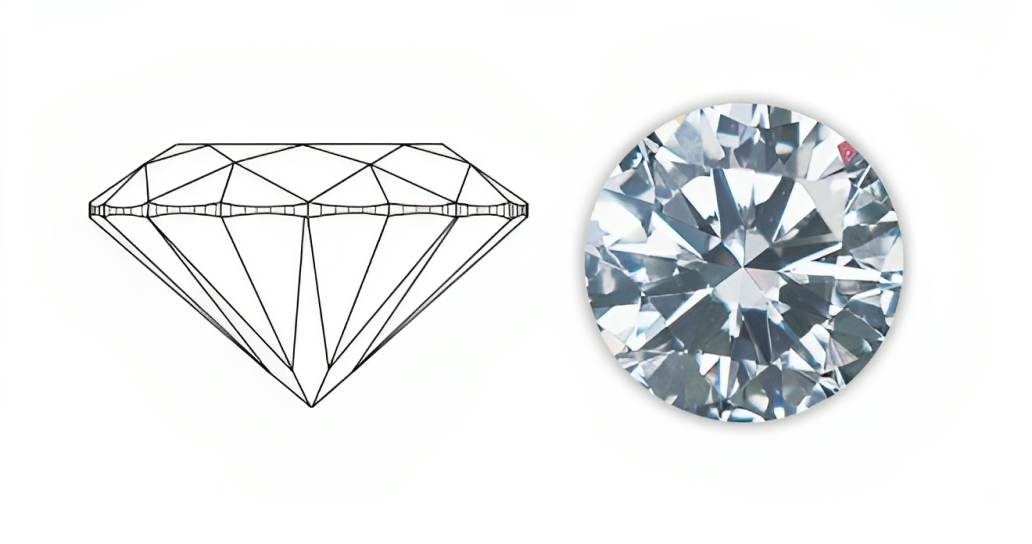
The diamond, which has an even pattern of bright and dark areas, scores in the top category for all grade-setting determinants.
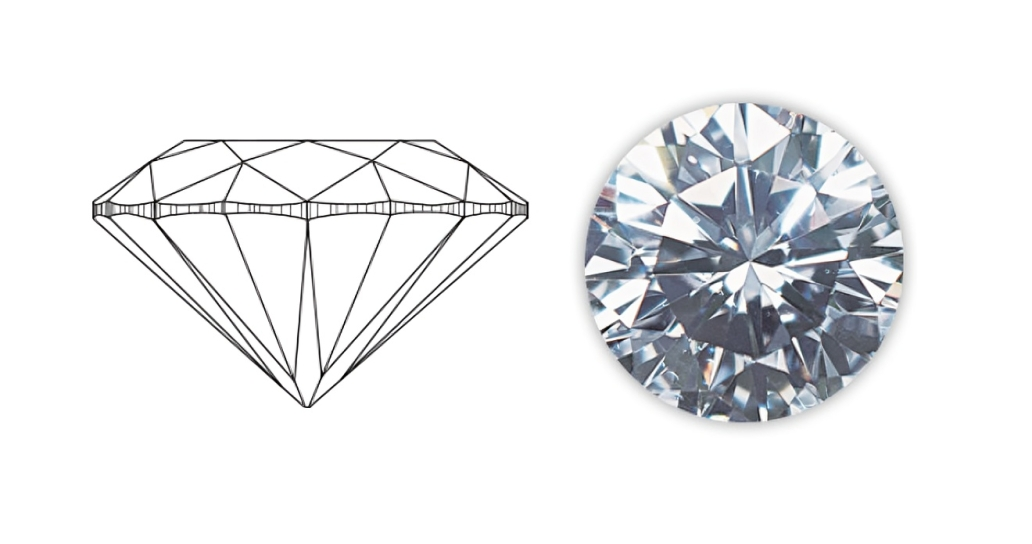
Diamond
Cut Grading
Move the slider to view examples of different diamond cut grades. Click images to view different cuts.
GIA Cut Scale
- Excellent
- very good
- good
- fair
- poor
Cut Grade
It is a measurement of how well a diamond is cut along with how well the diamond reflects and refracts light.
Polish
Polish is how smooth and shiny the surfaces of a diamond are after it is cut. It affects how well the diamond reflects light and sparkles. Polish is graded by gemologists as Poor, Fair, Good, Very Good, or Excellent. A diamond with a Poor polish has many visible flaws that make it dull.
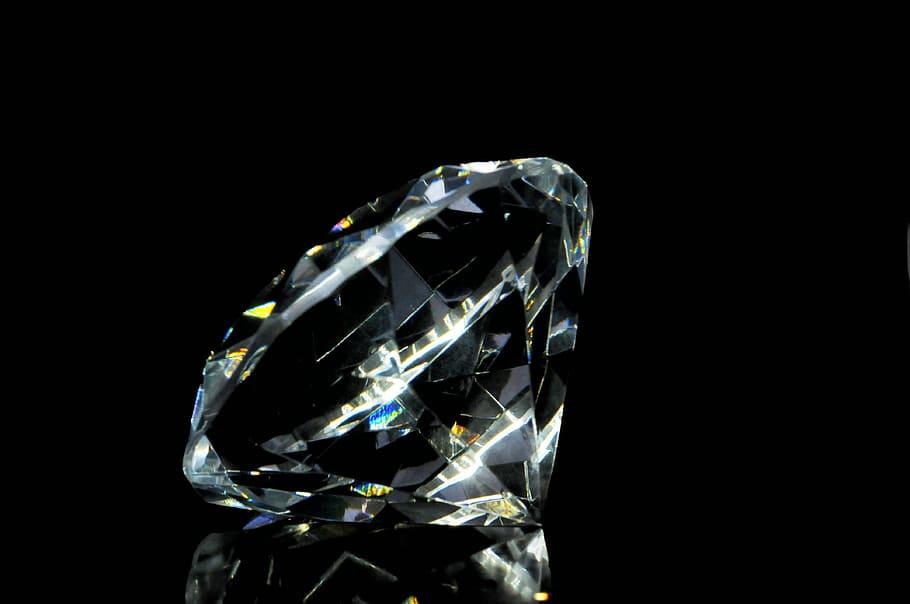
Symmetry
Symmetry is how well the shape and facets of a diamond match each other. It affects how well the diamond reflects light and sparkles. Symmetry is graded by gemologists as Poor, Fair, Good, Very Good, or Excellent. A diamond with a Poor symmetry has many uneven or misplaced facets that make it dull.
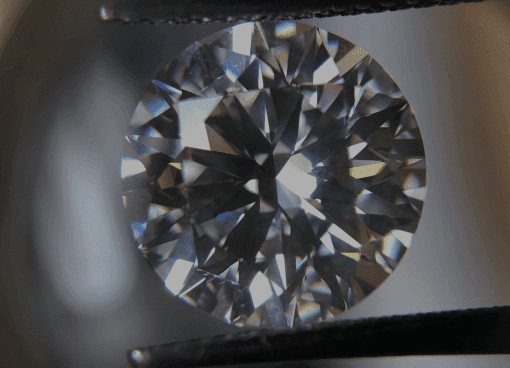
Fluorescence
Fluorescence is when a diamond radiates blue under a UV(ultraviolet) light. It can be blue, yellow or other colors. Fluorescence is caused by trace amounts of elements in a diamond that react to UV light. The most common element that causes fluorescence is nitrogen. Nitrogen can also affect the color of a diamond, making it more yellow or brown.
Inscription
The unique number assigned to the diamond, I.e. the social security number. This is inscribed on the girdle of the diamond using proprietary technology. The GIA logo and certificate number will be inscribed along with any logo the submitter may request.
Comments
The comment section on a GIA certificate is where the gemologist can write any additional observations about the diamond that are not covered by the other categories. Usually it means that what the gemologist is observing is extremely minor, yet important enough to disclose.
Proportions
This is a down in the weeds section but super important.
The proportions section on a GIA certificate shows you a diagram of the diamond's shape, measurements, angles, and percentages. This has a tremendous amount of weight went it comes to determining the Cut GradeBelow is a list of what is contained in the proportions section.
The flat surface area and largest facet located on the top of the diamond.
The "culet" appears as the "point" or "bottom" of the diamond. It is the "tip" and can come to a "point" or actually be faceted in various sizes from "None" to "Extremely Large".
This is the "waistline" of the diamond. It separates the "top" from the "bottom" or the Pavilion from the Crown.
angle between the pavilion main facet plane and the table plane.
the measured angle between the bezel facet and the table.
This is calculated by taking the Average Millimeter Diameter of the diamond and dividing it by the total Millimeter Depth of the diamond. The desired depth percentage varies greatly depending on shape.
Clarity Characteristics
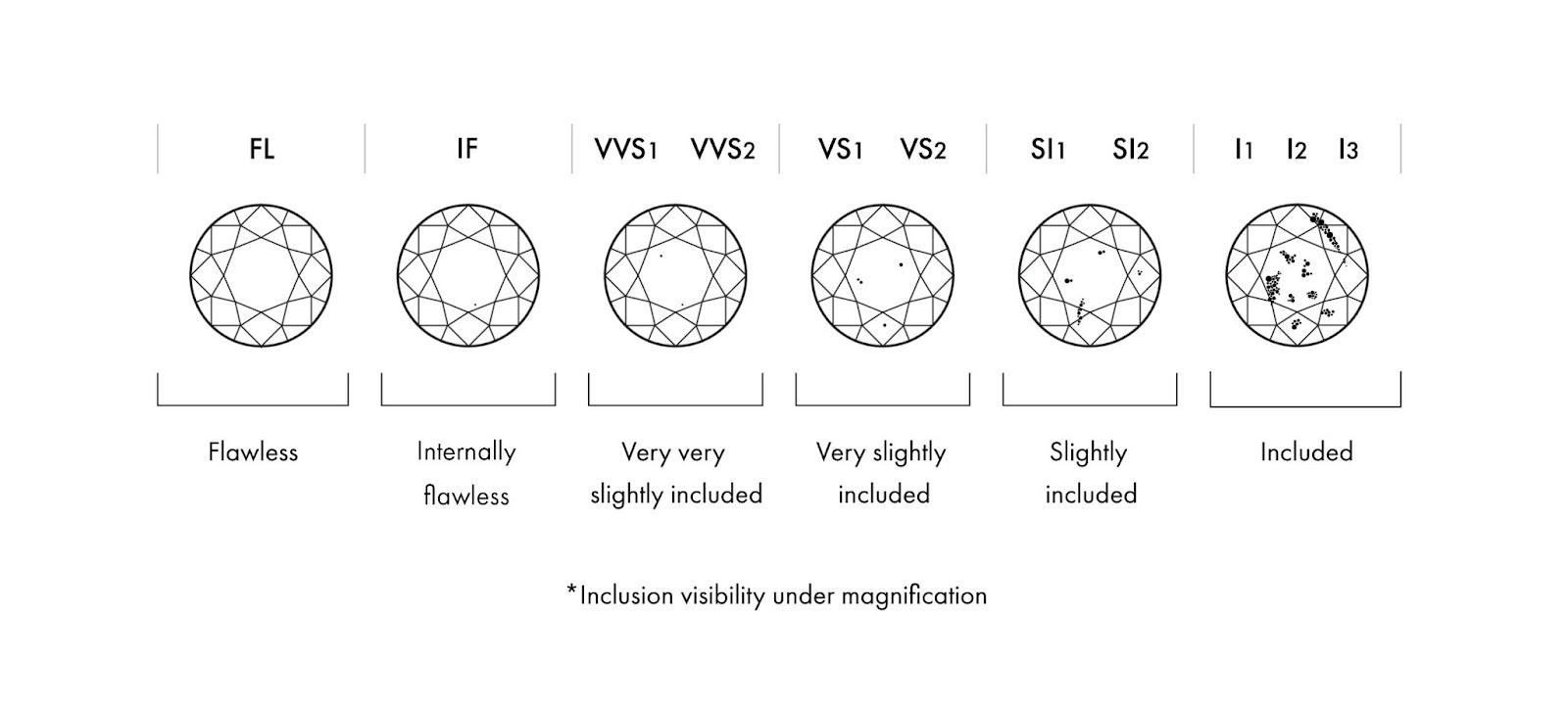
The clarity characteristics section on a GIA certificate shows you a plot of the diamond's inclusions and blemishes that are visible under 10x magnification. The plot also indicates the type, size, color, and position of these clarity characteristic. However, a plot only tells you a small part of the story. We have seen plots that would scare you away, but in person, the diamond is gorgeous. We have also seen plots that have barely anything on them and in reality, they are gross.
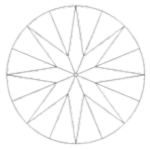
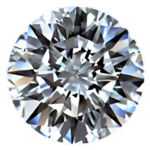
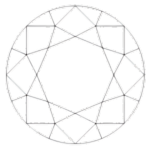
FL
FLAWLESS
No inclusions and no blemishes visible to a skilled grader using 10x magnification.
Diamond
Clarity Grading
Move the slider to view examples of different diamond clarity grades. Click marker for more information.
GIA Cut Scale
- FL
- IF
- VVS1
- VVS2
- VS1
- VS2
- SI1
- SI2
- I1
- I2
- I3
Grading Scales
This area is showing the scale that the GIA is using. For color you can see the range is D-Z and for Clarity, it is Flawless to Imperfect?
WHO IS THE MOST TRUSTED LABORATORY
In our view and in the view of a vast vast majority of diamond manufacturers and wholesalers, the GIA is the gold standard of the industry. Operating as a nonprofit and research based organization, GIA strives to provide the utmost quality when it comes to grading a diamond. The technology the GIA possesses is top notch in the industry and everyday they continue to dig deeper and make further strides. Most other laboratories, if not all, are profit centers and have been known for being more "lenient" in their grading at times. While the GIA isn't perfect, they are far and away the closest.
Buy the highest quality GIA-certified diamonds at JamesAllen, BlueNile, WhiteFlash, or Brilliant Earth.
HOW IMPORTANT IS A CERTIFICATE
In short....VERY! DO NOT recommend buying a diamond online that does not have a GIA report or at least an AGS report. Again, a report is not the end all be all, but it is definitely a massive hurdle that needs to be jumped as you move through the diamond buying process.
See the difference below between and EGL graded diamond and a GIA graded diamond. Both were given the same color and clarity grade.
Buy the highest quality GIA-certified diamonds at JamesAllen, BlueNile, WhiteFlash, or Brilliant Earth.
ARE ALL DIAMOND REPORTS THE SAME
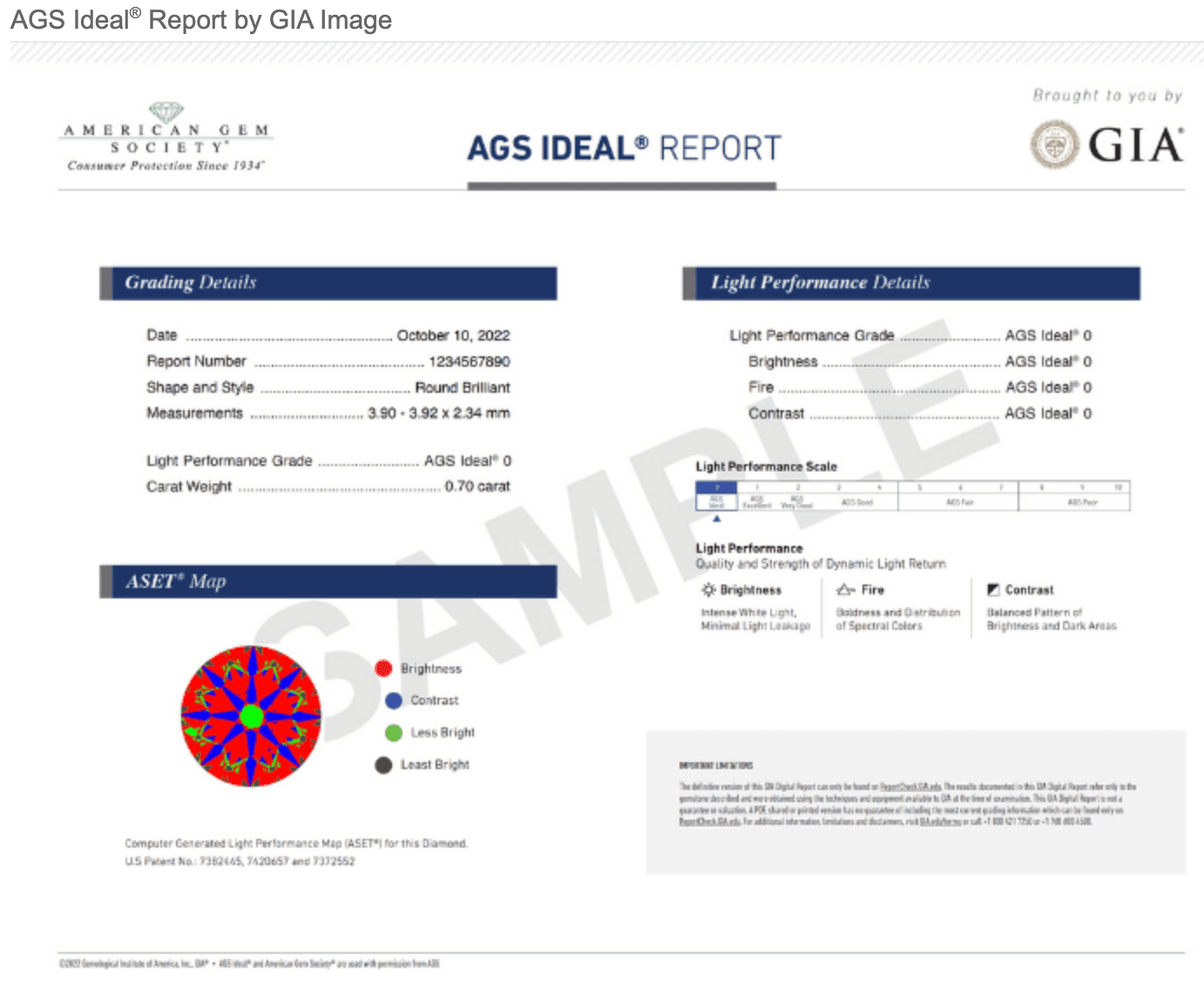
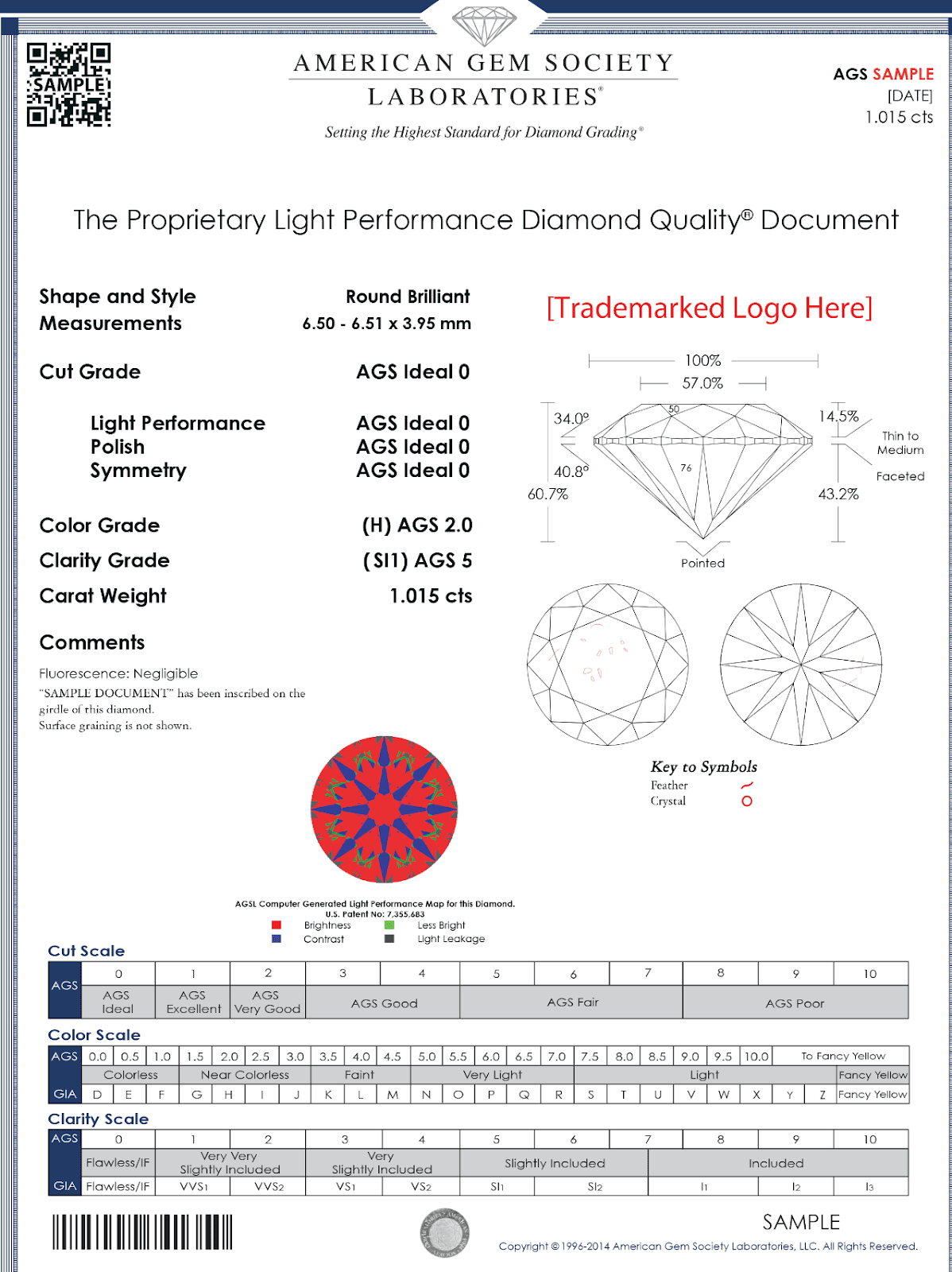
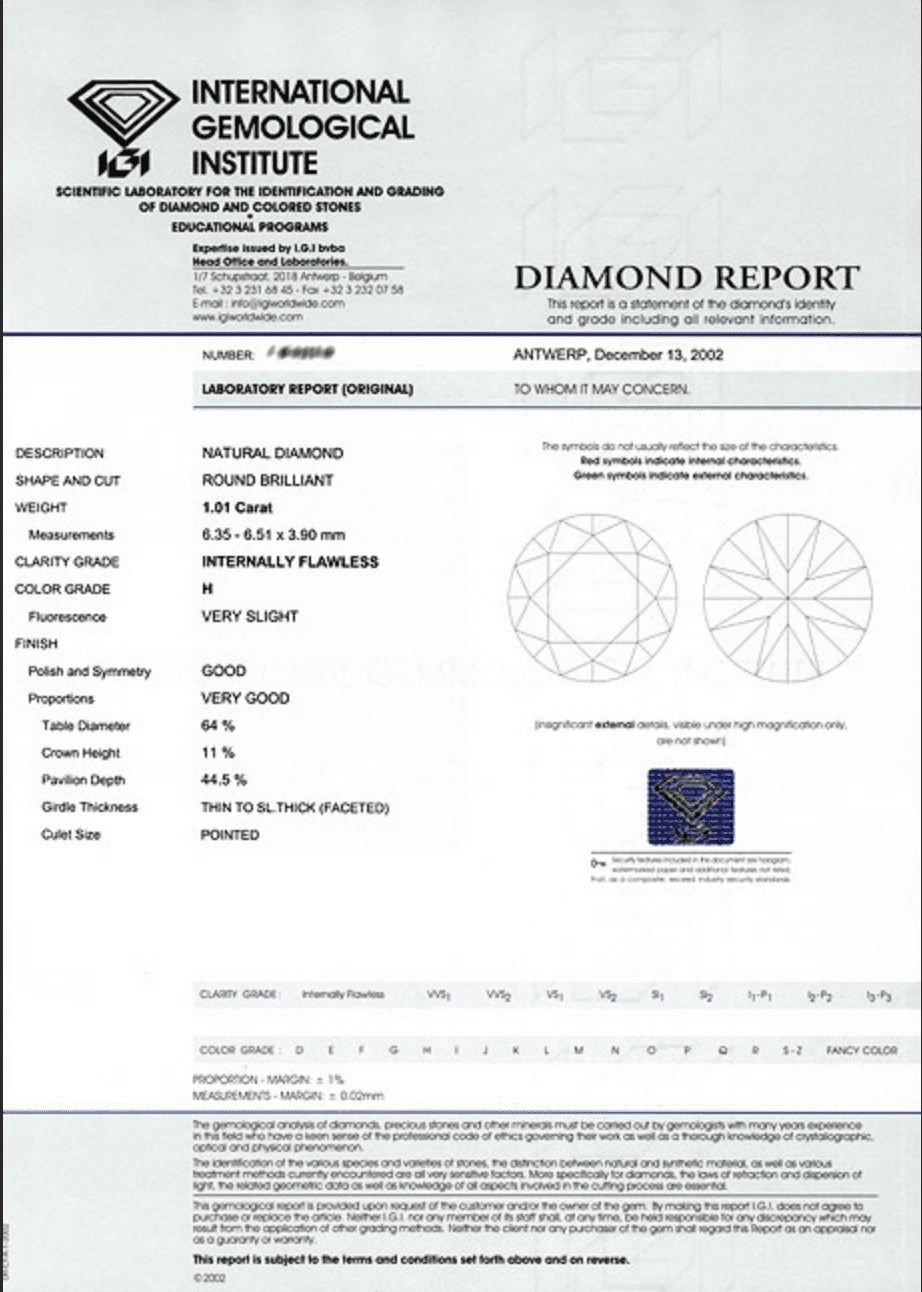
No...no and nope! Not all reports are the same. You can have many different reports from many different laboratories. There are asset reports Like this stone from WhiteFlash. There are IGI Hearts and Arrows Reports, AGS cut Grade and on and on.
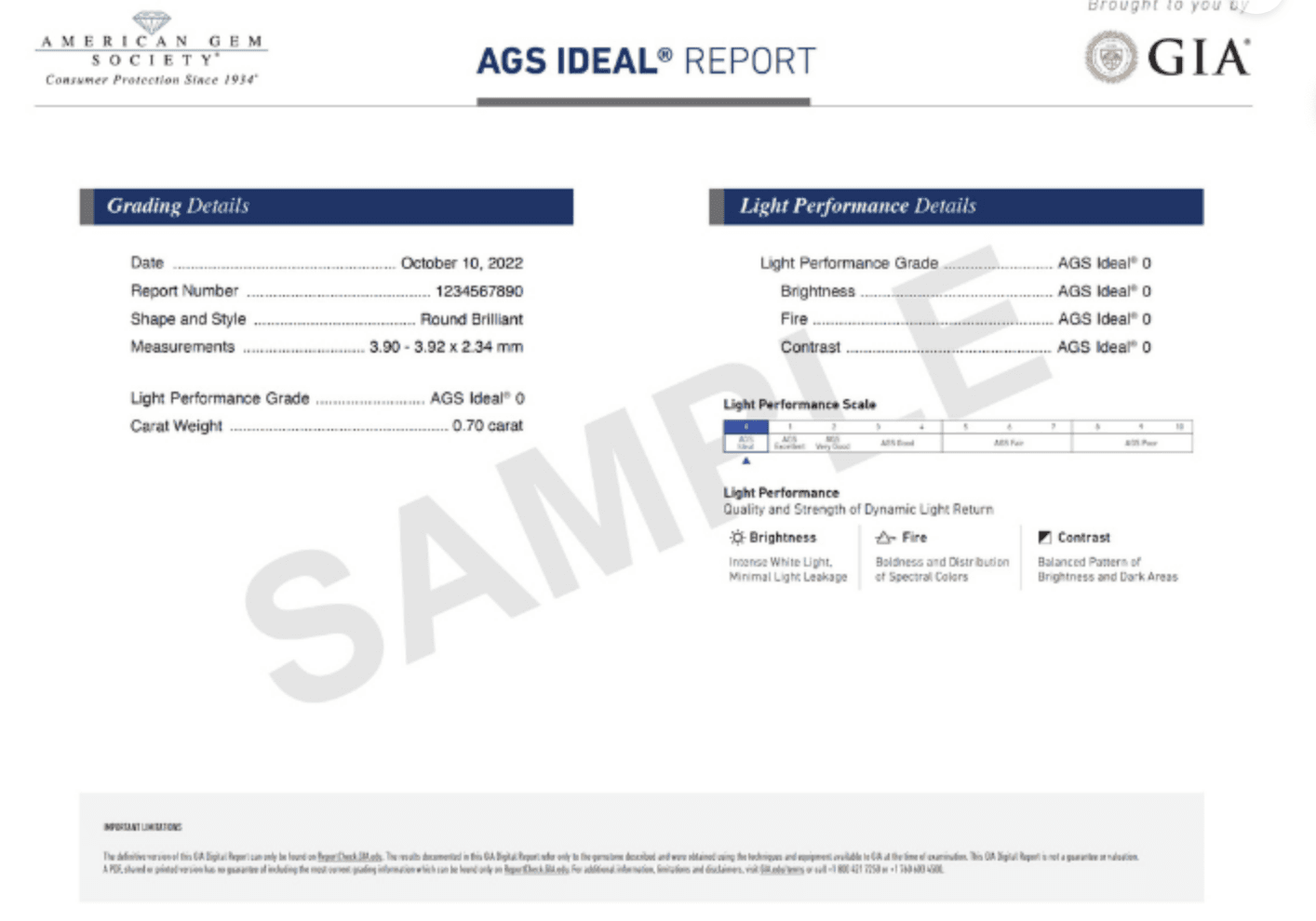
For us, we love the GIA or AGS reports. Such as these and the ASSET score is a nice added bonus as well.
*Some links on our site may earn us a small commission at NO EXTRA cost to you, helping us keep our content free*