What Causes Diamond Haze Beyond Fluorescence
By Rob Cornfield, Co-Founder of YourDiamondGuys.com. 30+ years in the global diamond trade. Specialist in diamond cut, sourcing, and light performance.
A diamond with None fluorescence can still look milky. That single fact eliminates a lot of bad online advice.
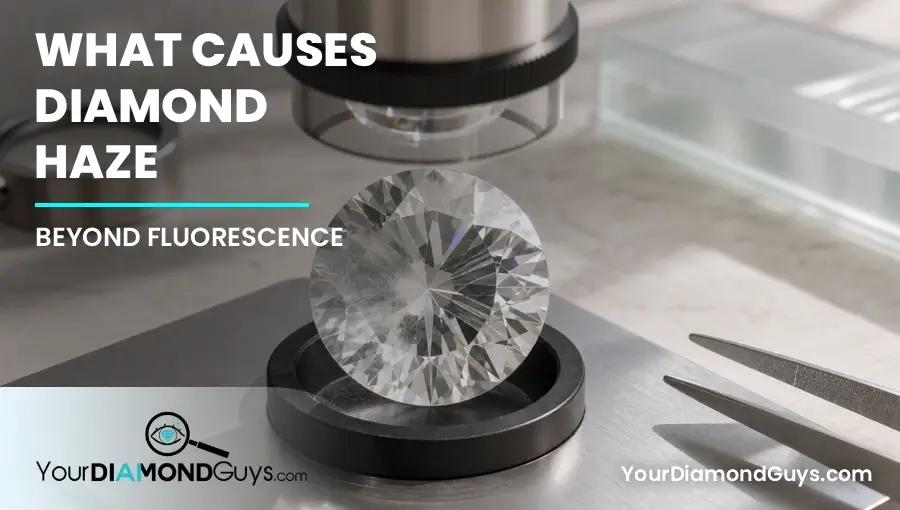
Haze is an appearance. The root cause can sit in the crystal, the inclusions, the surface, the cut, or the video. Good diagnosis starts under low UV light so fluorescence stays out of the way.
When we rejected a dull parcel stone, we did not stop at one report field. We checked the loupe, the pattern, the comments, the surface, and the comparison stones. Online buyers need the same order, only translated into evidence they can request.
Fluorescence gets blamed too quickly. GIA documents that whitish graining can create a hazy appearance, and dense clouds, strain, surface contamination, cut, and camera setup can all soften a stone without any UV explanation.
What Should You Know First About Diamond Haze Causes Beyond Fluorescence?
The main nonfluorescence causes of haze are widespread cloud inclusions, dense pinpoint populations, whitish internal graining, strain related distortion, surface film or polish issues, and weak light performance that mimics low transparency.
Camera bloom, dirty holders, low resolution, aggressive compression, and front lighting can create false haze. Require a clean high resolution video before turning an image problem into a diamond diagnosis.
Use Diamond Fluorescence 101 to confirm whether the softness tracks ultraviolet light before blaming the report field.
Clouds And Pinpoints Can Diffuse The Whole Stone
A cloud is a group of tiny pinpoints. One localized cloud can disappear face up. A cloud field spread through the diamond can scatter light and erase facet crispness.
The clarity plot can look surprisingly quiet because many tiny features do not fit neatly on the diagram. Comments carry more weight when they say clouds or pinpoints are not shown.
Use the cloud inclusions and hazy diamonds guide when clouds set the grade or the video shows uniform fog.
Internal Graining And Strain Create Different Patterns
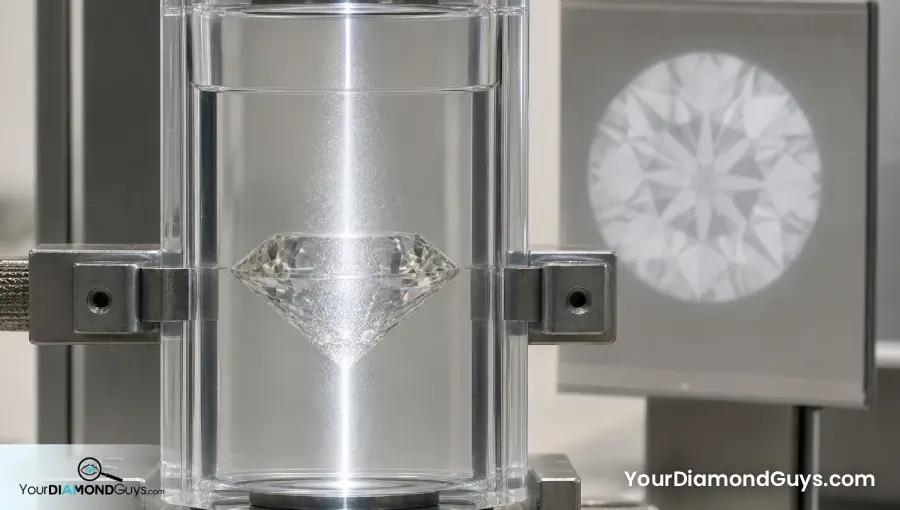
Internal graining follows structural features in the diamond crystal. Colorless graining can be difficult to see. Whitish graining can create lines, bands, or hazy zones.
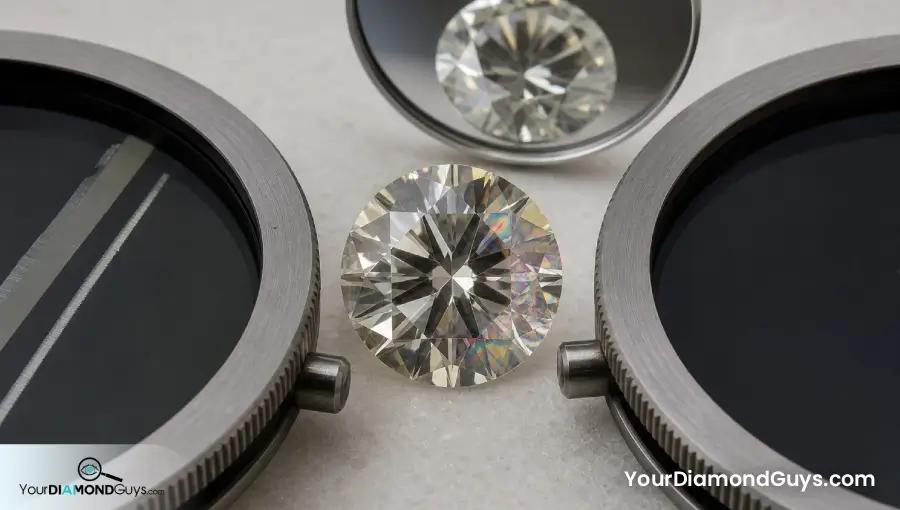
Strain can distort the path of light through the crystal. Under crossed polarizing filters it can show interference colors and banding. In ordinary listing video, severe effects can read as shimmering, smoky, or uneven transparency.
The dedicated graining and strain line guide explains the report language and why standard video cannot always isolate the cause.
Surface Film And Polish Need To Be Eliminated First
Finger oil, soap, lotion, polishing compound, and dust scatter light at the surface. A perfectly transparent diamond can look greasy after one careless handling.
Clean with a safe jewelry method appropriate for the setting. For a loose stone, ask the retailer to steam or ultrasonically clean it when the clarity features and treatments make that safe. Then repeat the same video.
Polish defects can also affect surface crispness, though Excellent and Very Good polish issues are rarely the reason for broad milkiness. Inspect the surface rather than using polish grade as a shortcut.
Weak Cut Can Look Like Haze
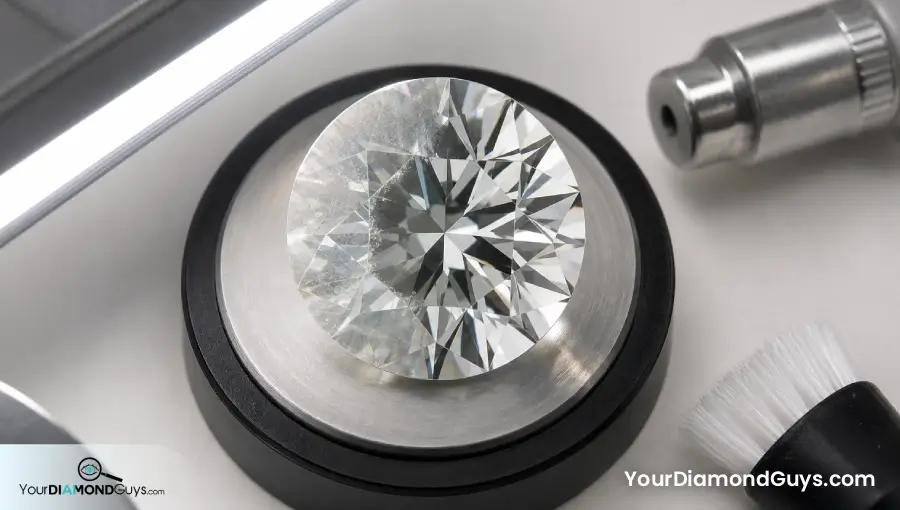
Light leakage lowers brightness. Obstruction creates dark areas. Mushy facet structure reduces organized contrast. Buyers often call all three cloudy because the stone lacks snap.
Transparency and light performance are related in the face up experience, but they are not the same property. A transparent diamond can leak. A well proportioned stone can still carry cloud haze.
Use neutral diffused lighting and a controlled movement pattern. The diamond lighting guide and light performance images help separate optical weakness from actual diffusion.
| Possible cause | Video pattern | Report or test clue |
|---|---|---|
| Widespread clouds | Uniform soft or foggy face | Cloud comments or grade setting clouds |
| Whitish graining | Bands or zones of reduced crispness | Internal graining comment or expert microscopy |
| Strain | Uneven shimmering or distortion | Polariscope or gemological inspection |
| Surface film | Greasy glare that shifts after cleaning | Clean and repeat the video |
| Weak cut | Persistent leakage or dead pattern | Proportion and light image evidence |
| Camera setup | Bloom or softness across holder and stone | Matched high resolution refilm |
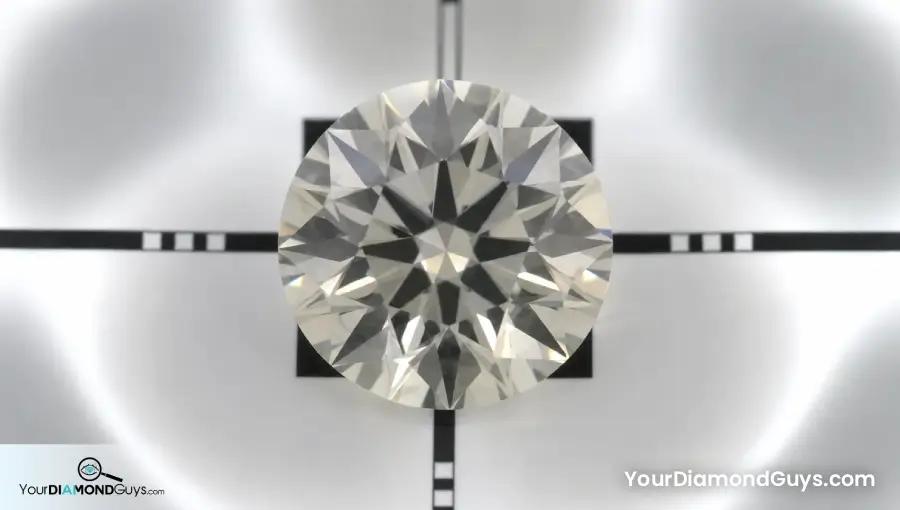
The Root Cause Workflow
Start clean under low UV light. Compare the diamond beside a known transparent stone of similar shape. Check whether haze covers the whole face, follows zones, or changes with angle.
Read the clarity plot, key to symbols, comments, fluorescence field, polish, and symmetry. Then use the transparency report clues guide to decide which features need a direct answer.
Inspect a high resolution slow rotation using the milky diamond video checklist. Add daylight last. If haze stays constant while UV changes, stop blaming fluorescence.
How Does Diamond Haze Causes Beyond Fluorescence Affect A Real Buying Decision?
I do not need a perfect laboratory diagnosis to reject a visibly hazy diamond. I need enough diagnosis to avoid rejecting a good stone because the holder was dirty or the camera was poor.
When the seller cannot produce a clean neutral video, the cause remains unknown and the buying decision remains no. The next diamond is cheaper than an argument with weak evidence.
What Does A Real Diamond Haze Causes Beyond Fluorescence Example Look Like?
A GIA graded SI1 round has None fluorescence and a comment that the clarity grade is based on clouds not shown. Its facet edges look soft in three different videos and the haze remains after cleaning.
That pattern points toward cloud related transparency loss. A second stone looks hazy in one clip, then crisp after the retailer cleans and refilms it. The first is a skip. The second had a presentation problem.
Which Diamond Haze Causes Beyond Fluorescence Mistakes Should You Avoid?
- Blaming fluorescence when the report says None.
- Ignoring comments because the clarity plot looks quiet.
- Diagnosing strain from one compressed listing video.
- Rejecting a dirty stone before a clean refilm.
- Calling leakage haze without checking facet edge clarity.
What Should You Ask About Diamond Haze Causes Beyond Fluorescence Before Buying?
- Does the haze remain after professional cleaning?
- Do clouds or graining set the clarity grade?
- Is the softness uniform, zoned, or angle dependent?
- Does the holder look soft in the same video?
- Can a gemologist compare the stone beside a known transparent diamond?
Affiliate disclosure: Some retailer links are affiliate links. If you buy through one, Your Diamond Guys may earn a commission at no extra cost to you.
Where Can You Compare Evidence For Diamond Haze Causes Beyond Fluorescence?
Use Brilliant Earth and Ritani as comparison tools, not automatic recommendations. Compare diamonds with clouds, graining, strain, surface film, and other transparency risks, then judge the GIA report, neutral light video, multiple angles, price, and return protection. The actual diamond has to earn the yes.
What Is The Buyer Recommendation On Diamond Haze Causes Beyond Fluorescence?
Treat haze as a root cause problem. Eliminate dirt and camera artifacts, then inspect clouds, graining, strain, and cut.
You do not get paid for solving a difficult diamond. If the stone stays veiled after honest testing, move to a transparent one.
Use the diamond fluorescence guide to connect diamond haze causes beyond fluorescence with intensity, color, transparency, lighting, and the complete buy or skip path.
If you want another set of eyes on the stone, book your free consultation with Your Diamond Guys.
Why Your Diamond Looks "Hazy"
Questions? Reach out directly for a free consultation, or drop them in the Diamond Buyers Academy community — Rob and Josh answer personally.
Questions Buyers Ask Us
*Some links on our site may earn us a small commission at NO EXTRA cost to you, helping us keep our content free*