Two diamond guys.One job. Help you buy better.
More than 60 years of combined experience in the global diamond trade. Now Josh Allen and Rob Cornfield help buyers slow the decision down, inspect the evidence, and avoid paying for grades that do not improve the actual stone.
Your consultation is free. Retailers can pay us a commission on qualifying referrals at no extra cost to you. Read how referrals work.
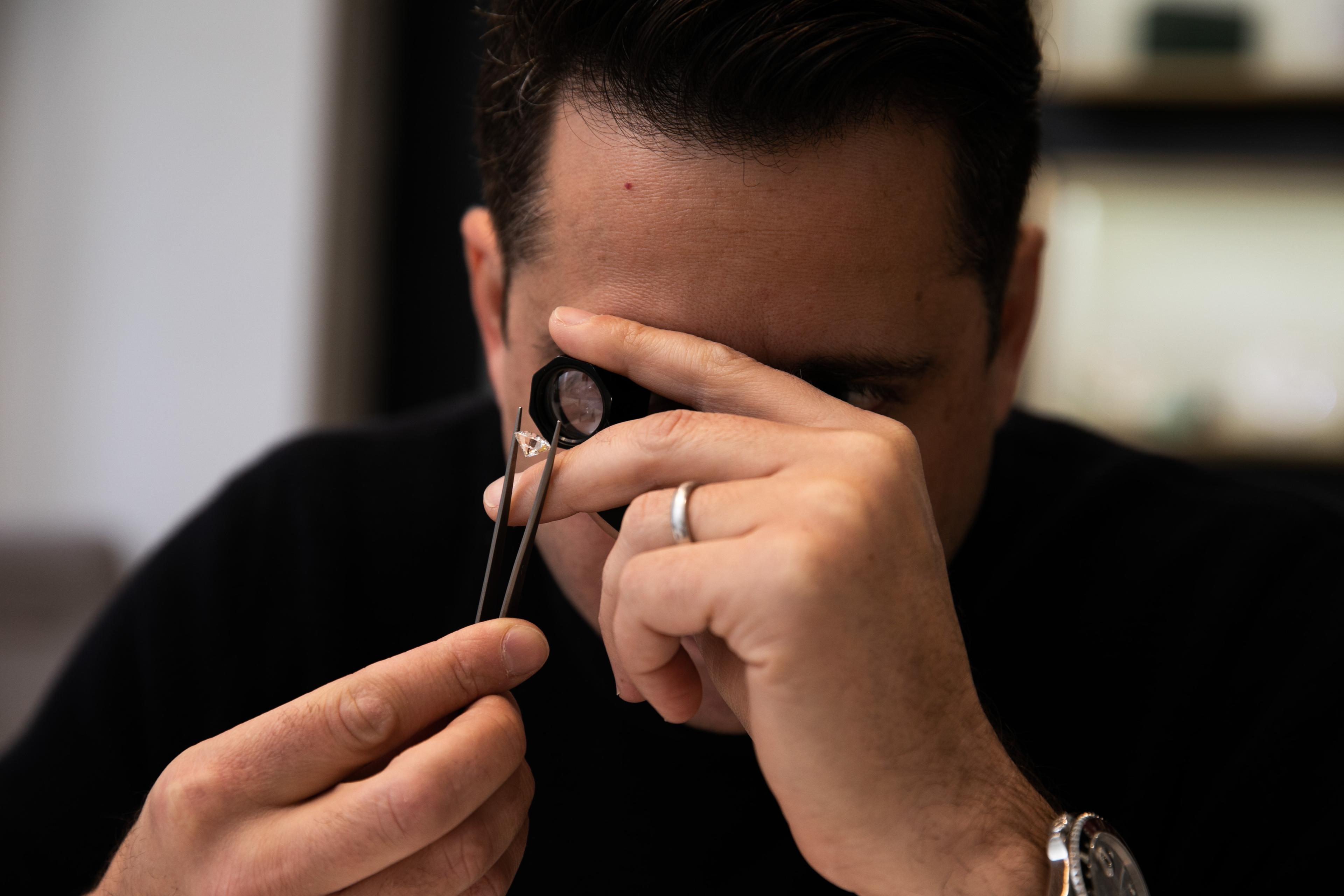
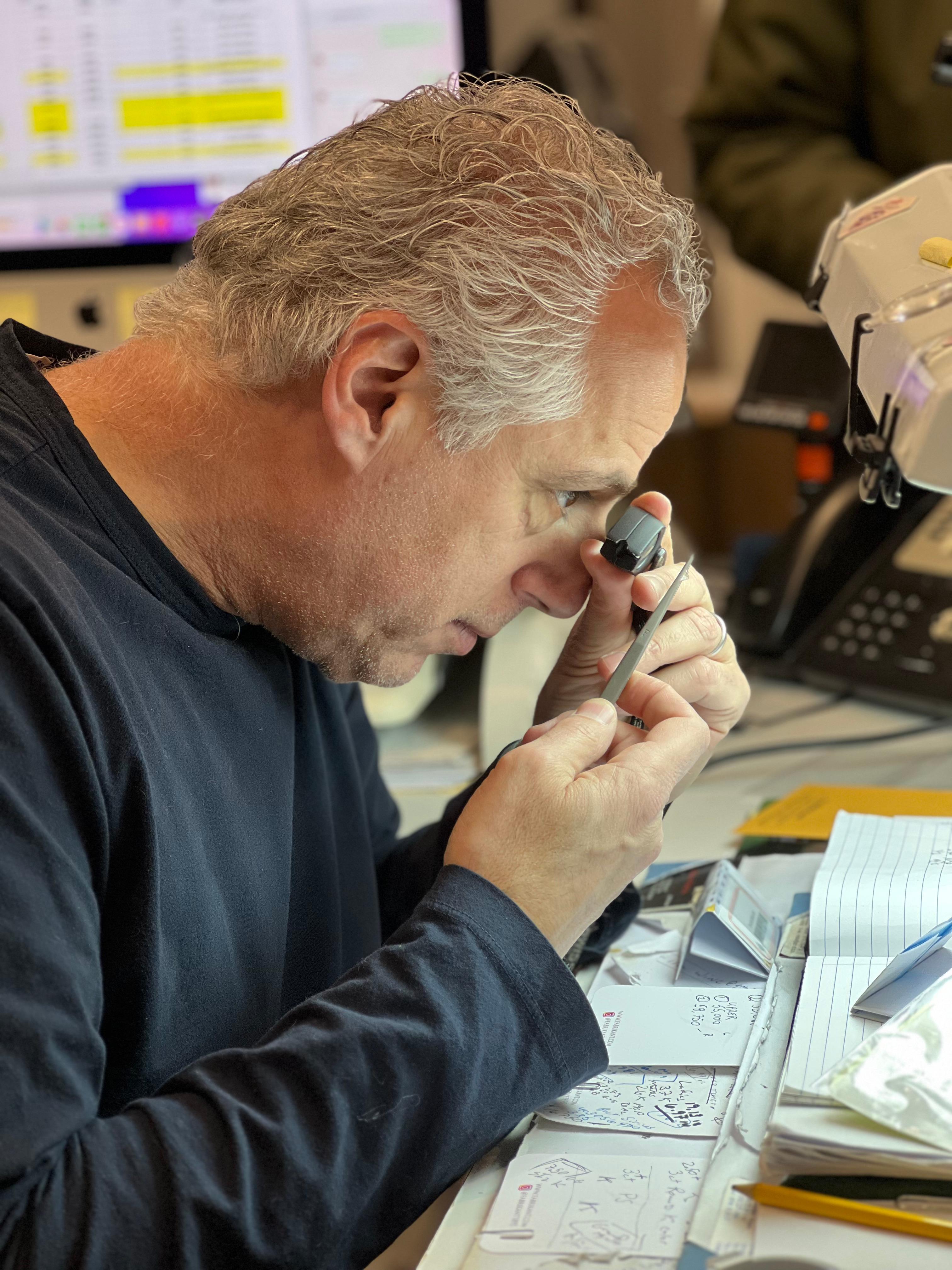
Different strengths are useful when the answer is complicated.
Buyer strategy, price, and online shopping
Josh is a fifth generation diamantaire with more than 30 years in the global diamond trade. His role is to help buyers turn a budget and a long list of grades into a purchase plan that makes sense.
That means comparing where the money changes what you can see, how retailers differ, and which tradeoffs protect value.
Sourcing, cut, proportions, and inclusions
Rob has more than 30 years in diamond sourcing and review. His role is to challenge the report when the actual stone or the available evidence does not support the grade.
That means looking at facet pattern, light return, visible size, inclusion type, inclusion location, and shape specific risks.
A clean report can still describe the wrong buy.
The trade learns to separate the paper from the stone. A high clarity grade can waste budget. An Excellent cut grade covers a range. A larger carat number can hide weight underneath. The review brings those questions back to the actual diamond.
AI narrows the field. Josh and Rob make the call.
The software checks measurements for round brilliant and major fancy shapes. It also reviews clarity features and report comments, then uses available retailer imagery to screen visible problems by size and location.
That is the first pass. Not the final answer.
If no diamond meets the main criteria, the system can surface secondary options. Josh or Rob still connects the report to the actual stone, the price, and the seller terms before making a recommendation.
- 1.Measurements.Round brilliant and major fancy shape proportions.
- 2.Report details.Grades, clarity features, and report comments.
- 3.Available imagery.Visible concerns based on their size and location.
- 4.Participating inventory.Candidates from affiliate retailers that fit the selected category.
Evidence before confidence.
- 1.Match the listing and report.Confirm identity, measurements, comments, and what the grading lab actually states.
- 2.Review the stone.Use images or video to judge the shape, light pattern, tint, and visible inclusions when the evidence is available.
- 3.Compare the purchase.Put price, setting, return terms, verification, and the buyer’s priorities into the same decision.
- 4.Name the gap.If a recommendation needs better evidence, the next action is to request it.
What the advice does not replace
A remote review does not grade a diamond, certify the physical stone, provide an appraisal, or guarantee a retailer’s performance.
GIA remains the starting point for natural diamond grading. Seller policies and the final physical verification still matter.
The money relationship belongs in the open.
The consultation is free. A retailer can pay Your Diamond Guys a commission when a referral leads to a qualifying purchase. That compensation adds no referral fee to the buyer's purchase.
The disclosure should appear near recommendations and actions, not live on a page buyers never see.
What buyers should know
Let's look at the diamond you are considering.
A listing link and your biggest question are enough to start.