Diamond Clarity Pricing: Eye Clean Value
Eye clean value starts with the actual stone. The grade does not tell you where the inclusion sits.
By Josh Allen, Co-Founder of YourDiamondGuys.com. Fifth generation diamantaire with 30+ years in the global diamond trade.
Pay for clean to the eye before you pay for clean under a microscope.
That one sentence saves buyers real money.
Clarity pricing gets expensive because higher grades are rarer. Rarer does not always mean better looking on the hand. Once a diamond is eye clean, the next clarity jump often buys paperwork comfort more than visible beauty.
Eye Clean Is The Clarity Sweet Spot
Eye clean means the inclusion does not distract you in normal viewing.
Not in a blown up listing photo. Not under a loupe. Not after someone circles it with a red mark and tells you where to stare. Normal distance. Normal light. Top view first.
That is why VS2 and carefully chosen SI1 diamonds can be such strong buys. You are not paying for perfection. You are paying for the diamond to look clean where it counts.
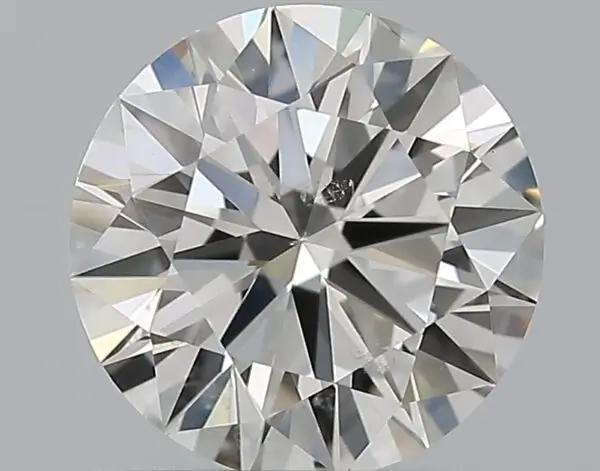
H SI1 round reference with Excellent cut, polish, and symmetry. The inclusion needs a real visibility check.
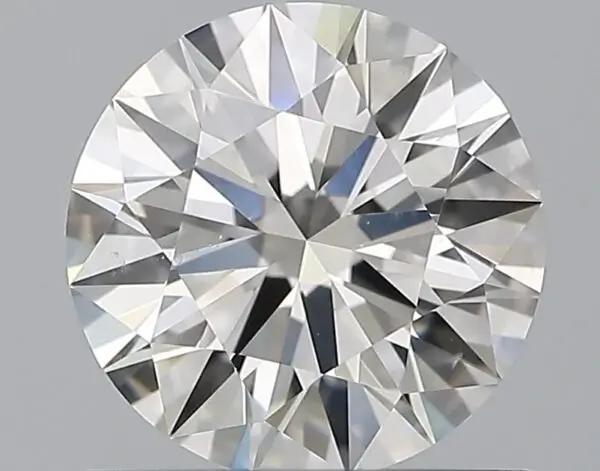
G VS2 round reference with Excellent cut, polish, and symmetry. A common sweet spot for many buyers.
Clarity Pricing Charges For Rarity
The price ladder is not built only on what your eye sees.
Flawless, Internally Flawless, VVS, VS, SI, and I grades describe how easy inclusions are to see under magnification and how serious they are. The higher grades cost more because cleaner diamonds are rarer.
That matters if rarity matters to you. It matters less if your goal is a beautiful engagement ring that looks clean from normal distance.
Usually clean beyond what the eye can appreciate. Nice if rarity matters.
Often the easy value lane because many stones look clean without the VVS premium.
Can save money when the inclusion is light, small, off center, and safe.
The Grade Is Not The Whole Decision
Two SI1 diamonds can be completely different buys.
One has a small white crystal near the edge that nobody sees. Another has a dark crystal under the table that your eye finds every time. Same grade. Different decision.
That is why clarity pricing needs real inspection. The report tells you the grade. The video and plot tell you whether the grade is livable.
Trade tip: In the trade, we do not ask only what the clarity grade is. We ask where the inclusion is, what color it is, how loud it is, and whether it affects durability.
Where The Clarity Money Moves
| Clarity Choice | What You Pay For | Buyer Move |
|---|---|---|
| VVS | Extreme cleanliness and rarity under magnification. | Buy it if the mind clean feeling matters to you. |
| VS1 | A safer clarity cushion for buyers who do not want much inspection drama. | Good for bigger stones, step cuts, and cautious buyers. |
| VS2 | Often clean enough to the eye with less purity premium. | Strong first target for many brilliant cuts. |
| SI1 | Potential savings with more inclusion judgment required. | Buy only after video, plot, and eye clean proof. |
| SI2 and lower | More discount and more visible inclusion risk. | Be strict. Most buyers should move carefully here. |
The Eye Clean Test I Like
A seller saying eye clean is not enough.
Eye clean to whom? From what distance? In what light? From the top only, or from the side too? Those details matter.
- Start natural diamond comparisons with GIA.
- Check the diamond face up at normal viewing distance.
- Watch the video without zooming in first.
- Then zoom in and find the inclusion so you know what you are accepting.
- Check the side view if the diamond sits in an exposed setting.
- Ask whether the inclusion is dark, white, transparent, or reflective.
- Confirm the return policy before buying a lower clarity value stone.
Inclusions That Deserve Extra Caution
Some inclusions are just clarity marks. Some change the price for a good reason.
I get more careful with a bruise, chip, cavity, knot, etched channel, or indented natural. Those words can point to durability, setting, or value problems, not just a tiny mark under magnification.
Dark crystals under the table also deserve attention. A black dot in the middle of the diamond can bother you more than several soft white inclusions near the edge.
Buyer rule: A lower clarity grade is fine when the inclusion is quiet, safe, and priced correctly. It is not fine when your eye finds it first.
Shape Changes The Clarity Rule
Round brilliants hide inclusions better than step cuts.
That is not marketing. It is facet behavior. Brilliant cuts throw more small reflections across the face, so a tiny inclusion can blend into the sparkle. Emerald and Asscher cuts have broad open steps, so inclusions get less camouflage.
| Shape Family | Clarity Strategy | Why |
|---|---|---|
| Round, oval, pear, marquise | VS2 and strong SI1 can work well. | Brilliant faceting helps hide small marks. |
| Cushion and radiant | Check facet style and center visibility. | Some patterns hide inclusions better than others. |
| Emerald and Asscher | Lean cleaner, often VS1 or better for many buyers. | Broad steps reveal inclusions more honestly. |
| Large diamonds | Raise the clarity standard. | Bigger windows make inclusions easier to spot. |
Use the diamond price by shape guide before applying one clarity rule to every outline.
When Paying More Makes Sense
Sometimes higher clarity is the right call.
If you are buying a larger diamond, a step cut, a very exposed setting, or you know the idea of inclusions will bother you, pay for the comfort. There is nothing wrong with buying peace of mind when you are honest about what you are buying.
Just do not let a salesperson make you feel like VS2 is somehow a dirty word. A good VS2 can be a beautiful, smart buy.
When Saving Makes Sense
Saving makes sense when the diamond passes the eye clean test.
A well chosen SI1 can free up money for cut, size, setting, or a better overall stone. That is where clarity value gets interesting. You are not lowering standards. You are moving money away from invisible purity and into something you can actually enjoy.
Before you compare savings, use the price per carat calculator and the cut premium guide. Clarity value only works when the rest of the diamond checks out.
Soft Grading Can Ruin The Math
Clarity value depends on a clean baseline.
If the diamond is overgraded, the deal falls apart. A soft VS2 that behaves like an SI1 should not price like a strict VS2. A soft SI1 with visible issues should not price like a clean eye clean value stone.
Read the overgraded diamonds guide if the clarity grade and price feel too convenient.
My Buyer Rule
Buy the cleanest diamond your eye needs, not the cleanest grade your budget can reach. Once the stone is eye clean, put the next dollar where it improves the diamond.
That next dollar often belongs in cut. Sometimes it belongs in size. Sometimes it belongs in the setting.
It does not automatically belong in VVS.
Want To Buy A Diamond and Save Thousands?
Where I Would Compare Eye Clean Value
Use these sites as comparison tools, not automatic recommendations. I would compare similar clarity ranges on Ritani and Blue Nile, then judge the video, inclusion location, report comments, spread, and price before paying for a higher grade.
Questions? Reach out directly for a free consultation, or drop them in the Diamond Buyers Academy community — Rob and Josh answer personally.
Questions Buyers Ask Us
More Diamond Pricing Guides
Keep the next step close. These guides connect the pricing math, seller model, quality risk, total cost, and resale expectation behind this buying decision.
Want Help Checking Eye Clean?
Send us the report, video, photos, and price. Rob or I can help you see whether the clarity grade is worth paying for or just making the listing look better.
*Some links on our site may earn us a small commission at NO EXTRA cost to you, helping us keep our content free*