Diamond Price by Shape
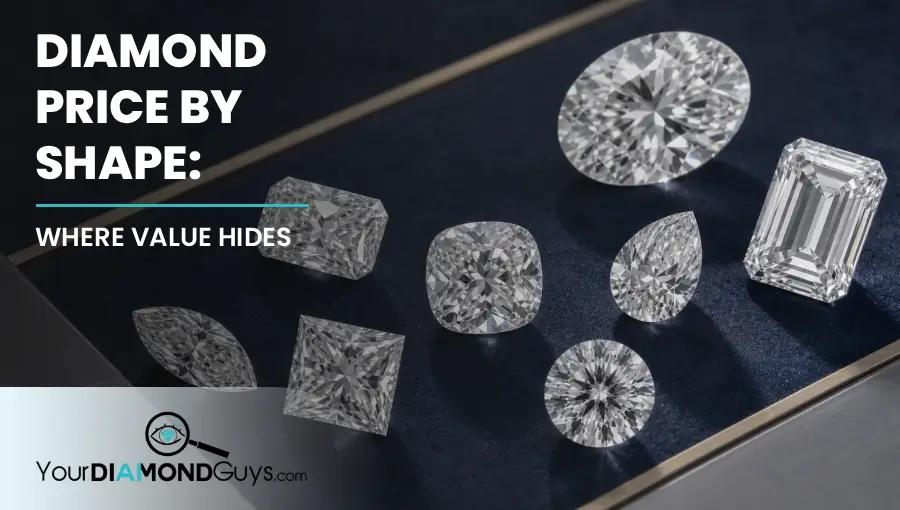
Shape can hide value. The stone still has to prove the spread, outline, and light return.
By Josh Allen, Co-Founder of YourDiamondGuys.com. Fifth generation diamantaire with 30+ years in the global diamond trade.
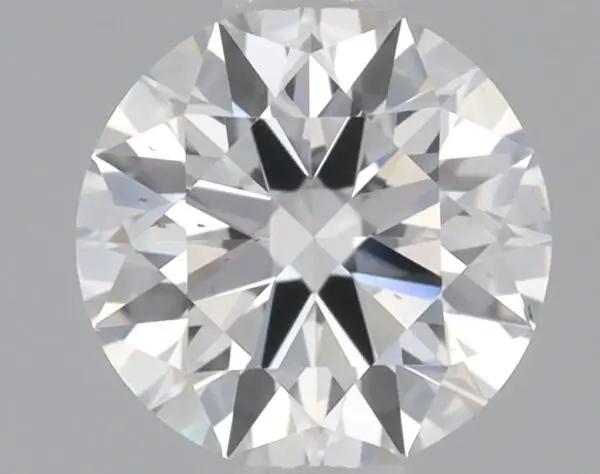 RoundHighest demand
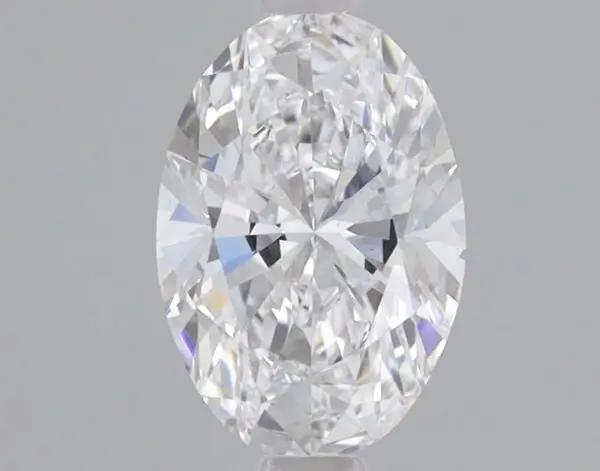 OvalSpread value
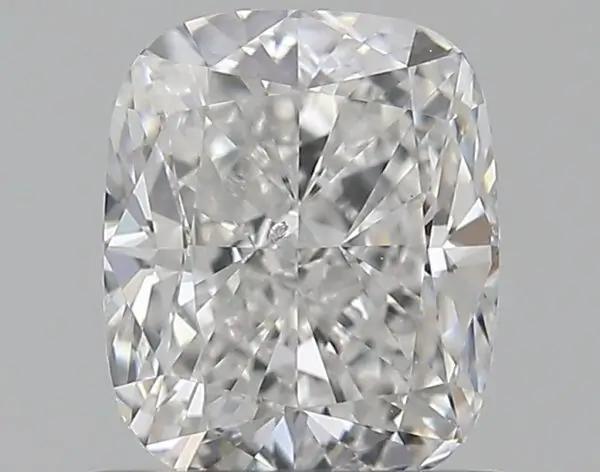 CushionPrice flexibility
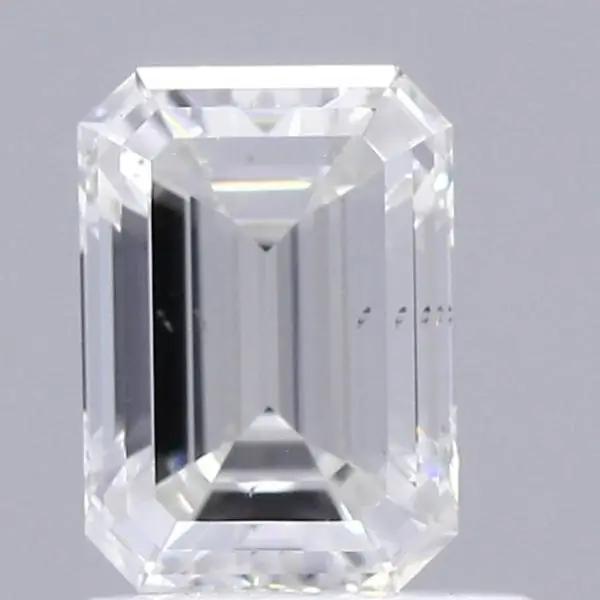 EmeraldClarity honesty
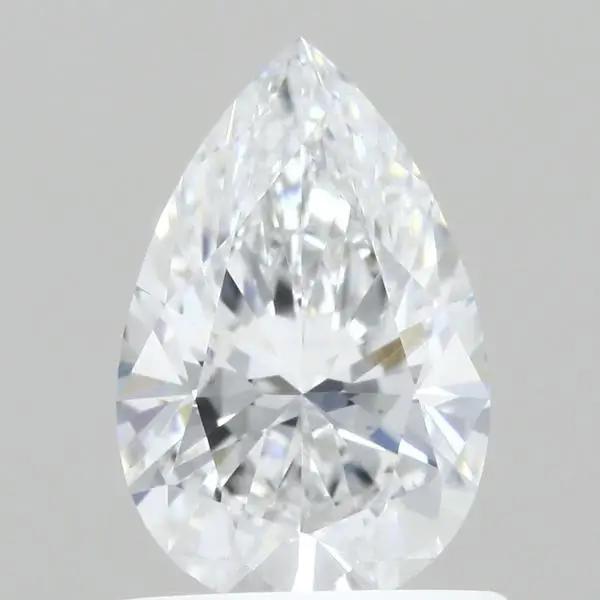 PearLength for money
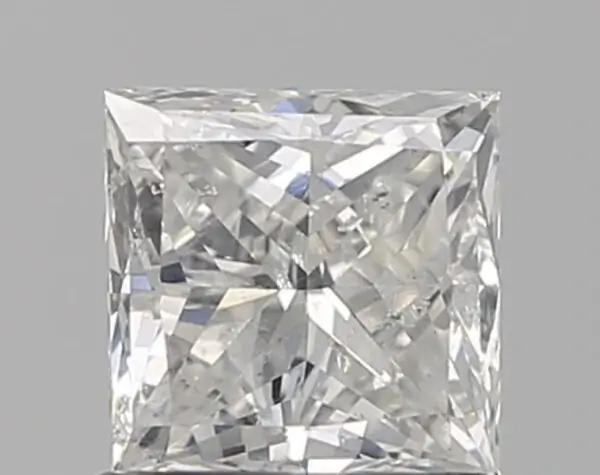 PrincessModern value
Round diamonds usually cost more per carat. That does not mean every round is better. It means the market pays more for the shape because demand is high, cutting waste is real, and buyers trust the look.
Fancy shapes are where value can hide. Oval, cushion, pear, radiant, emerald, marquise, and princess diamonds often cost less per carat than round diamonds with similar listed specs. The catch is simple. The shape has to be good.
A lower price does not help if the oval has a dead bow tie, the cushion faces up small, the emerald shows every inclusion, or the pear has a dark tip. Shape value is not a discount. It is a tradeoff you need to inspect.
Why Shape Changes Diamond Price
Shape changes price because cutters, dealers, and buyers do not treat every outline the same.
Some shapes keep more of the original rough. Better yield can lower the price per carat.
Round diamonds have the broadest demand. Higher demand usually supports higher pricing.
Fancy shapes have fewer neat report rules. Video and outline matter more.
In the trade, shape is not just a style choice. It tells us how hard the stone was to cut, how much rough got lost, how many buyers want it, and what problems we need to check before we quote real value.
Shape Price Comparison
Use this as a buyer screen, not a price guarantee. Market pricing changes by inventory, carat range, lab report, color, clarity, cut quality, and seller model.
| Shape | Typical Price Pattern | Where Value Hides | Where Value Disappears |
|---|---|---|---|
| Round brilliant | Usually highest per carat | Strong cut, bright return, safer resale familiarity | Weak cut hiding behind a familiar shape |
| Oval | Often lower than round | More finger coverage and a larger look for the money | Heavy bow tie, uneven outline, dark middle |
| Cushion | Often flexible by facet style | Soft look, broad choice, potential savings versus round | Mushy crushed ice, hidden warmth, small spread |
| Emerald | Often lower than round, but selective | Elegant step cut look and honest broad flashes | Visible inclusions, color warmth, windowing |
| Pear | Often strong spread for cost | Length, finger coverage, distinctive shape | Dark tip, poor symmetry, fragile point protection |
| Princess | Often lower than round | Square look, modern style, efficient rough use | Weak brightness, exposed corners, shallow sparkle |
| Marquise | Often lower than round with big visual length | Maximum length and finger coverage | Tip darkness, bow tie, symmetry problems |
| Radiant | Often flexible by cut style | Big look, lively faceting, rectangular or square options | Busy crushed texture, hidden color, weak center |
Round Is Expensive For A Reason
Round brilliants carry the biggest price premium because the market knows them and the cutting standard is more established.
For natural diamonds, I start with GIA. A round brilliant also gives us more useful cut data than most fancy shapes. When the numbers land well, table 56 to 58 percent, depth 60 to 62.4 percent, crown angle 34 to 35 degrees, pavilion angle 40.6 to 41 degrees, Excellent polish and symmetry, and none to faint fluorescence, the round has a cleaner first screen.
That cleaner screen costs money. The value in a round is not finding the lowest price. The value is avoiding a weak stone that still charges round diamond money.
Oval Is The Classic Value Trap
Ovals can look bigger than rounds at the same carat weight. That is the appeal.
The risk sits in the center. A little contrast is normal. A bow tie that stays dead as the stone moves is not. Some ovals also carry warmth near the edges, so the same color grade can look different than it does in a round.
If you want oval value, compare millimeters, outline symmetry, bow tie strength, and video. Do not buy the cheapest oval that checks the carat box.
Cushion Value Depends On The Facet Pattern
Cushions can be wonderful buys because the category is broad. That is also why buyers get confused.
Some cushions have chunky flashes. Some have crushed ice texture. Some face up square. Some stretch rectangular. Some hide color well. Some show warmth through the body. The price follows all of that.
The trade move is to decide the look first. If you love a soft pillow shape with lively chunky flashes, do not settle for a mushy stone just because the price per carat looks friendly.
Emerald Cuts Save Money Until Clarity Gets Involved
Emerald cuts can look like smart value because they often price below comparable rounds. Then the clarity bill shows up.
Step cuts do not hide much. The broad facets act like windows. They show inclusions, body color, and bad cutting more honestly than brilliant cuts. That is part of the charm, and part of the risk.
If you choose emerald, budget for a cleaner stone and a calmer, more even look. A lower price per carat does not help if you can see the problem every time you tilt the diamond.
Pear And Marquise Give Spread, But The Tips Tell The Truth
Pear and marquise diamonds can give a lot of length for the money.
That is real value when the outline is graceful and the light return stays active. It falls apart when the tip goes dark, the shape leans, the shoulders look uneven, or the bow tie takes over the center.
Tip protection matters too. A setting has to protect the point. A good price on a fragile or awkward stone is not a win.
Princess And Radiant Can Stretch The Budget
Princess and radiant cuts can offer strong value because they use rough efficiently and give buyers a bold shape without round pricing.
The cut still has to work. Princess cuts need life across the face and protected corners. Radiants need a lively center without turning into a messy glitter field. With both shapes, video matters more than a static listing photo.
Use the fancy shape cut guide when the price looks good but the motion is hard to judge.
How To Use Shape For Better Value
Do this in order. It keeps the savings real.
- Pick the shape you actually like. A bargain shape you do not love is still the wrong diamond.
- Compare natural diamonds with GIA reports first, especially when grading confidence affects price.
- Use the price per carat calculator only after you match shape and size range.
- Compare length and width, not just carat weight.
- Check color visibility by shape. Emerald, pear, oval, marquise, cushion, and radiant can show warmth differently than round.
- Check clarity visibility by shape. Step cuts need extra care.
- Watch video for bow tie, dead zones, windowing, dark tips, mushy texture, and weak movement.
- Compare total cost, including setting, tax, shipping, and protection.
Where I Usually See The Best Shape Value
If a buyer wants size for the money, I usually look at oval, pear, radiant, cushion, and princess before I force the budget into a round.
If a buyer wants the safest classic choice, I still like round. The price is higher, but the right round gives you more predictable brightness and a cleaner screening process.
If a buyer wants a quieter, more tailored look, emerald can be excellent. I just warn them early that clarity and color need more attention.
Buyer rule: Pick the shape for the look, then use price to choose the stone. Do not pick the shape only because it is cheaper than round.
Choosing The Right Diamond Shape?
Where I Would Compare Shape Value
Use these sites as comparison tools, not automatic recommendations. I would compare the same shape and carat range on Brilliant Earth and Ritani, then judge outline, spread, video pattern, color visibility, and price before picking the better value.
Questions? Reach out directly for a free consultation, or drop them in the Diamond Buyers Academy community — Rob and Josh answer personally.
Questions Buyers Ask Us
More Diamond Pricing Guides
Keep the next step close. These guides connect the pricing math, seller model, quality risk, total cost, and resale expectation behind this buying decision.
Want Help Comparing Shapes?
Send us the shapes you are considering. Rob or I can look at the report, video, measurements, and price, then tell you where the value is real and where the shape is hiding a problem.
*Some links on our site may earn us a small commission at NO EXTRA cost to you, helping us keep our content free*