Pillar page
Diamond Clarity and Inclusions Guide: What Actually Matters
The main hub guide for eye clean value, durability, plots, videos, and real buying decisions.
Free expert guidance by email or video chat.
No pressure, No sales pitch. Just honest help from diamond experts.
Use the actual diamond, not the clarity label, as the final decision.
By Josh Allen, Co-Founder of YourDiamondGuys.com. Fifth generation diamantaire with 30 plus years in the global diamond trade. Former supplier to Tiffany & Co., Cartier, and Harry Winston.
Diamond clarity only matters when the inclusion changes beauty, durability, price, or confidence. A clean looking SI1 can be a better buy than a higher clarity stone with a dark mark under the table. A paper grade starts the search. The actual diamond finishes it.
For natural diamonds, start with GIA. Then use video, the clarity plot, normal viewing distance, and inclusion type to decide whether the tradeoff is smart or just discounted trouble.
The central entity here is diamond clarity. The real buyer intent is simple: find the lowest safe clarity that still looks clean, holds up in the setting, and leaves more budget for the parts of the diamond you actually see.
This page is the parent guide for diamond clarity. It connects eye clean standards, GIA clarity grades, inclusion type, inclusion location, shape visibility, durability risk, clarity plots, videos, setting strategy, and budget tradeoffs into one buying decision.
How a diamond looks from normal distance, in real lighting, and in motion.
Crystals, feathers, clouds, needles, twinning wisps, graining, knots, chips, cavities, and naturals.
Why table, girdle, pavilion, prong position, and diamond shape change what buyers notice.
When to save money on clarity, when to spend on cut or carat, and when to skip the stone.
Trade Insider Moment: Inside the trade, nobody stops at VS2, SI1, or I1. We ask what set the grade, where it sits, whether it reaches the surface, whether the video keeps pulling the eye there, and whether the price actually pays you for taking the tradeoff. Same grade. Different diamond. Different decision.
This is the order I like for buyers. Start with what the naked eye sees, then work toward the report details that change safety, price, and setting decisions.
| Cluster Area | Buyer Question | Best Starting Guides |
|---|---|---|
| Clarity foundation | What does clarity actually change in a buying decision? | Diamond Clarity and Inclusions Guide, Eye Clean Diamonds |
| Visibility checks | Will I see the inclusion without magnification? | Black vs White Inclusions, Busy Inclusions, Clouds and Haze |
| Report and video proof | How do I connect the GIA plot to the actual diamond? | Read a Clarity Plot, Inclusion Location |
| Durability risk | Which inclusions can become setting or wear problems? | Feathers, Knots, Cavities and Chips |
| Budget tradeoffs | Where should clarity give way to cut, size, or setting strategy? | Clarity vs Cut, Clarity vs Carat, Prong Hide Strategy |
Use these terms as a buyer screen, not as a lab exam. The name of the inclusion matters less than what it does in the actual diamond.
| Term | What It Means For Buyers | What To Do Next |
|---|---|---|
| Eye clean | The inclusion does not show to your naked eye from normal viewing distance. | Check video slowly, then confirm the mark does not create durability risk. |
| Table inclusion | A mark under the top center of the diamond usually gets noticed faster. | Be stricter with dark crystals, busy clusters, or anything your eye keeps finding. |
| Girdle inclusion | An edge mark can hide better, but it can also affect setting safety. | Review feathers, chips, cavities, naturals, and indented naturals before setting. |
| Cloud or graining | The issue is not always a single mark. Sometimes the whole stone looks sleepy. | Reject haze, milkiness, or transparency loss even when the report sounds clean. |
| Clarity enhancement | Laser drilling or fracture filling changes value, durability, and disclosure risk. | Treat enhancement as a separate buying category, not a normal clarity discount. |
This hub does not tell you to buy the highest clarity grade you can afford. That is how buyers waste budget. It also does not excuse every lower clarity diamond. The point is to separate smart eye clean value from visible, risky, or poorly disclosed clarity problems.
Do not read these like homework. Use them like a buying route. Start with eye clean value, then move into the specific inclusion risks that can make the grade lie.
The main hub guide for eye clean value, durability, plots, videos, and real buying decisions.

Use normal distance, normal light, and actual video before you trust the clarity grade.
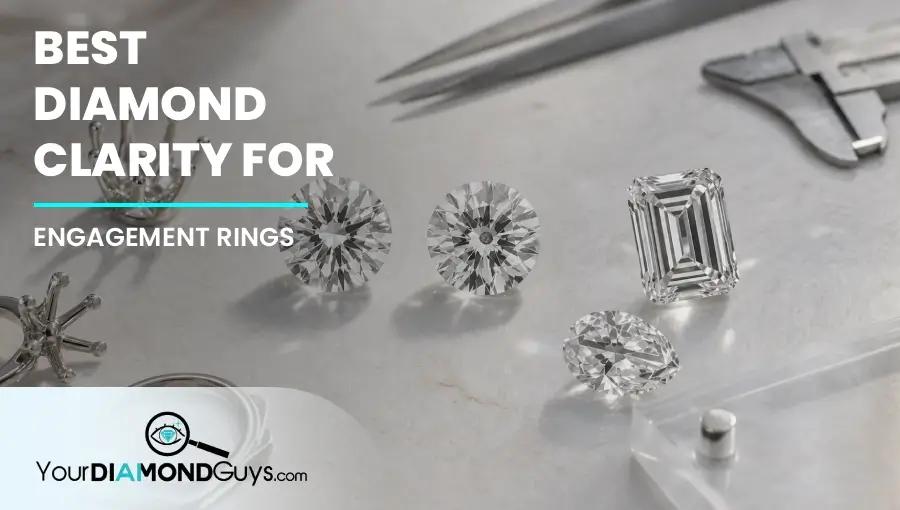
Match clarity to size, shape, setting, lifestyle, and the buyer who will wear the ring.

Step cuts, elongated shapes, and exposed corners change how strict your clarity screen should be.

Use the plot to know where to look, then use the video to decide whether it matters.
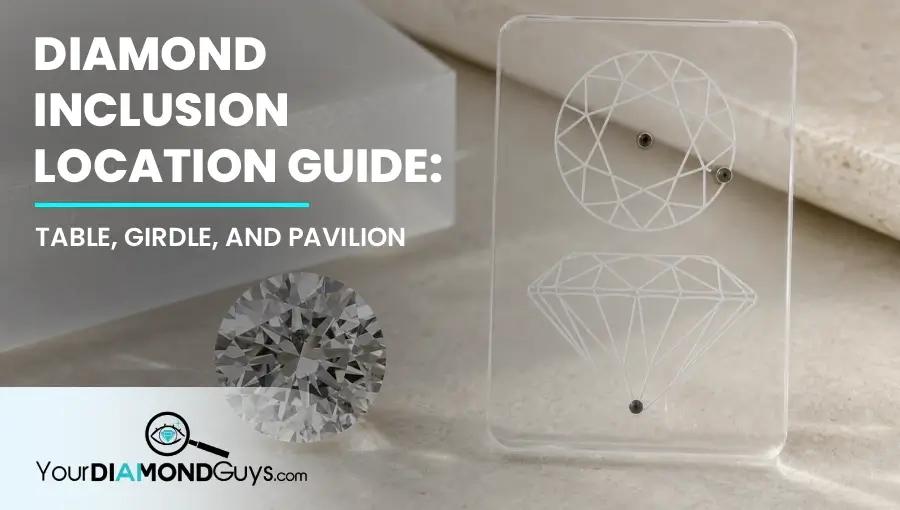
Location changes visibility, durability, prong strategy, and price more than buyers expect.
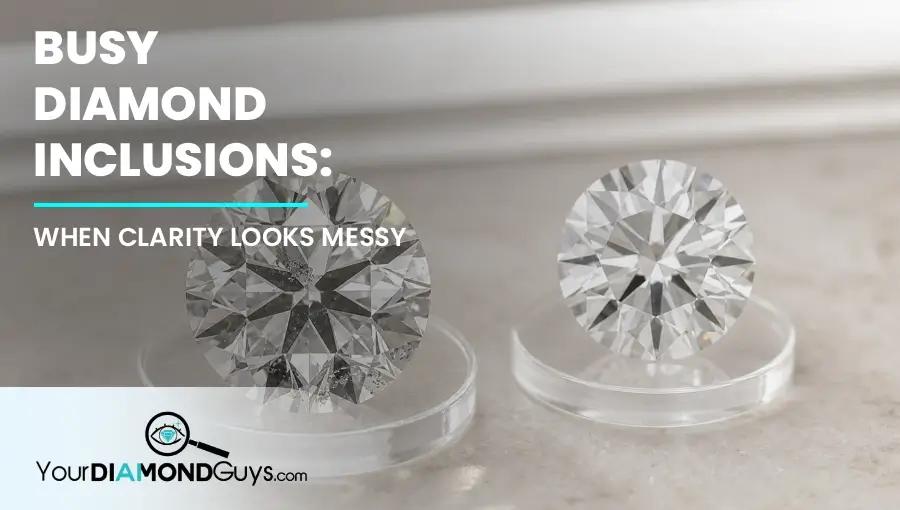
Learn when scattered marks make a stone look tired, even if no single inclusion looks scary.

Black marks under the table pull the eye faster than pale edge inclusions.

Surface reach, size, direction, and girdle position decide whether a feather is harmless or risky.

Clouds can look minor on paper and still make the diamond look sleepy in real life.

Color, contrast, size, and table position decide whether a crystal is a deal breaker.

Single needles often disappear, but groups can make the stone look busy or hazy.
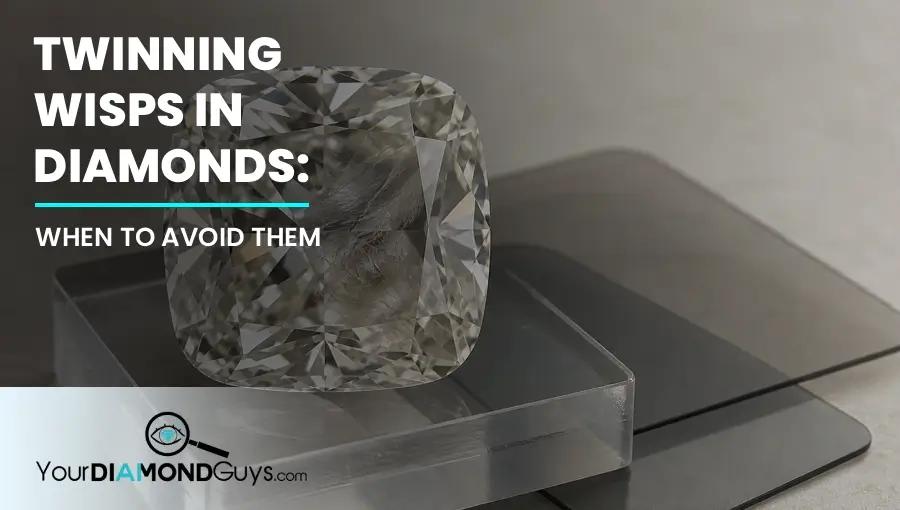
Wisps can be fine, or they can create a smoky texture that dulls the diamond.

Graining matters when it changes transparency, brightness, or the way light moves through the stone.
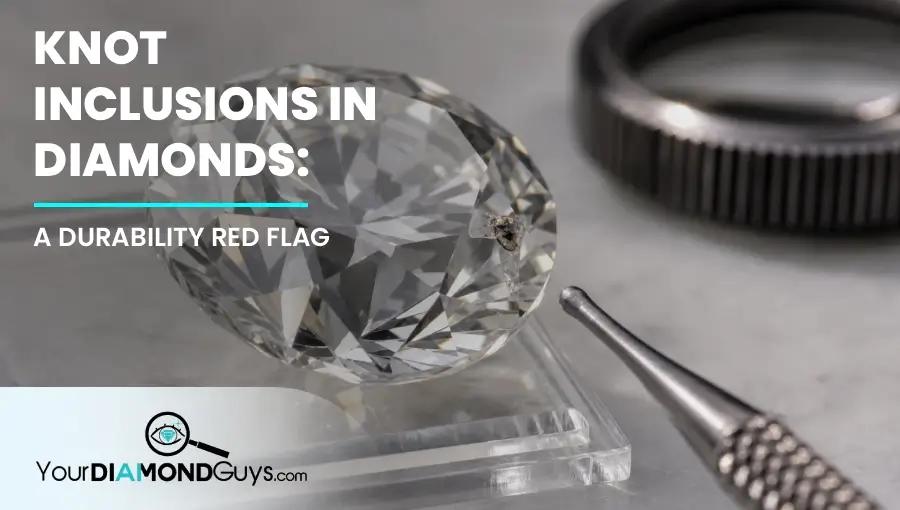
A knot reaches the surface by definition, so Rob treats it as a stricter inspection item.
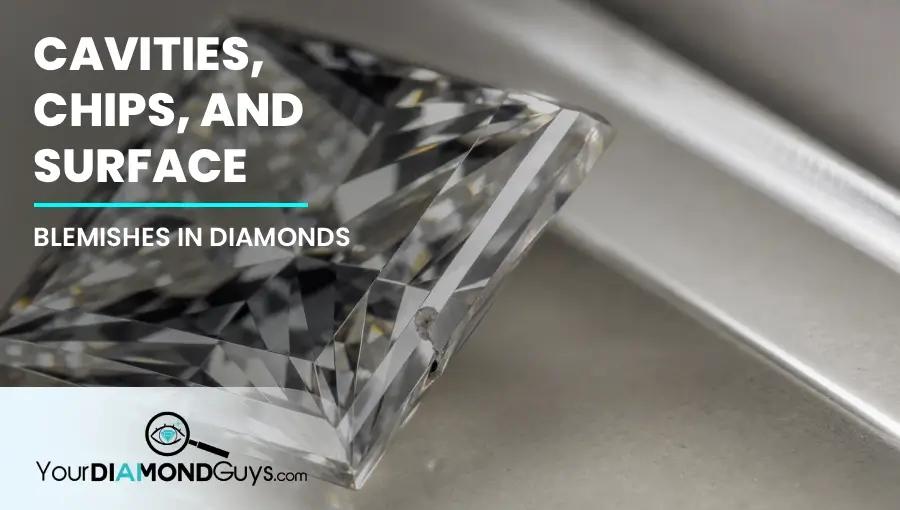
Separate cosmetic blemishes from cavities, chips, bruises, and open surface issues.

Some naturals are normal cutting leftovers. Indented naturals deserve a closer setting review.
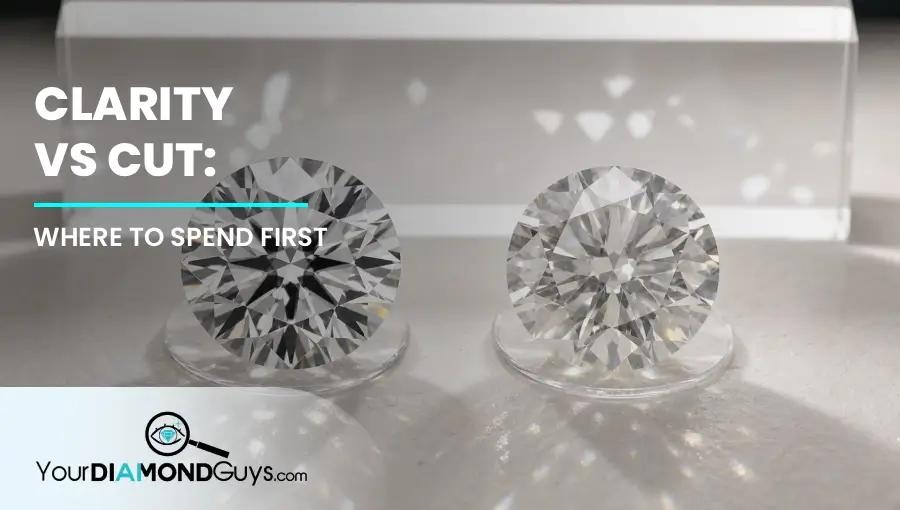
Eye clean clarity often frees budget for the thing buyers notice more, cut quality.
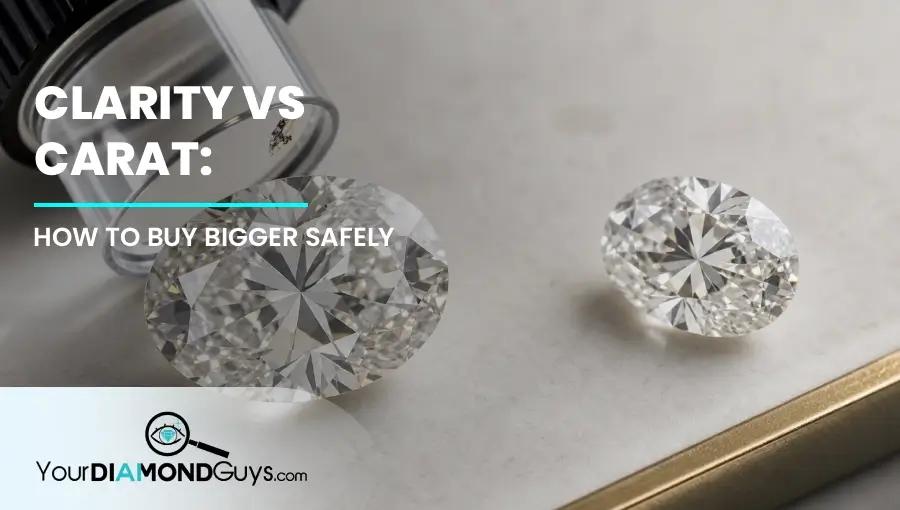
Trade clarity for size only when the inclusion stays clean, safe, and priced correctly.
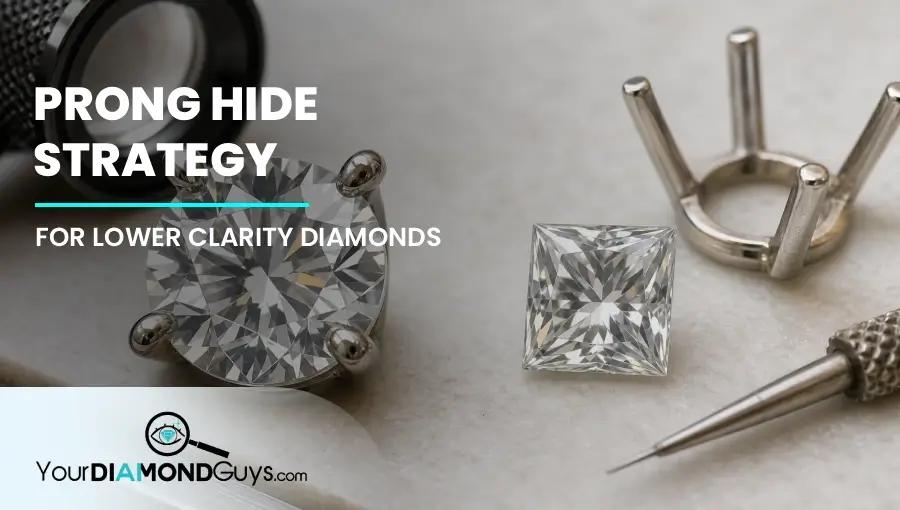
Prongs can hide safe edge marks. They cannot fix table distractions or structural trouble.
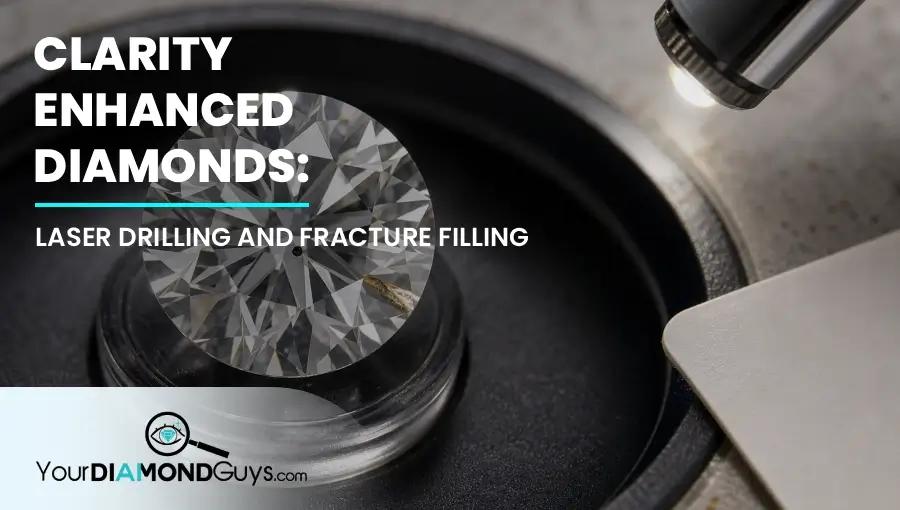
Enhancement changes value, disclosure, durability, and resale. Treat it as its own category.
A diamond passes clarity when the beauty, durability, setting plan, report, video, and price all make sense together.
That sounds simple. It is not how most listings are sold. Sellers like the one label that makes the stone look clean. VS2. SI1. Eye clean. Loupe clean. Pick the wrong label and you can miss the real issue.
Say two round diamonds both look good on paper. One is VS2 with a dark crystal under the table. The other is SI1 with a pale edge feather that does not reach the surface and disappears in normal viewing. I would study the SI1 harder. The grade is not the prize. The actual diamond is.
Use these sites as comparison tools, not automatic recommendations. I would compare similar GIA natural diamonds on Ritani and Blue Nile, then use the guides here to judge the plot, video, inclusion location, shape visibility, return terms, and price before trusting the clarity grade.
Questions? Reach out directly for a free consultation, or drop them in the Diamond Buyers Academy community — Rob and Josh answer personally.
Send us the diamonds or ring styles you are comparing. Rob or I can look at the GIA report, measurements, video, depth, shape, setting, and price, then tell you which option actually earns the size claim.
*Some links on our site may earn us a small commission at NO EXTRA cost to you, helping us keep our content free*