Report check
Read Length, Width, And Depth
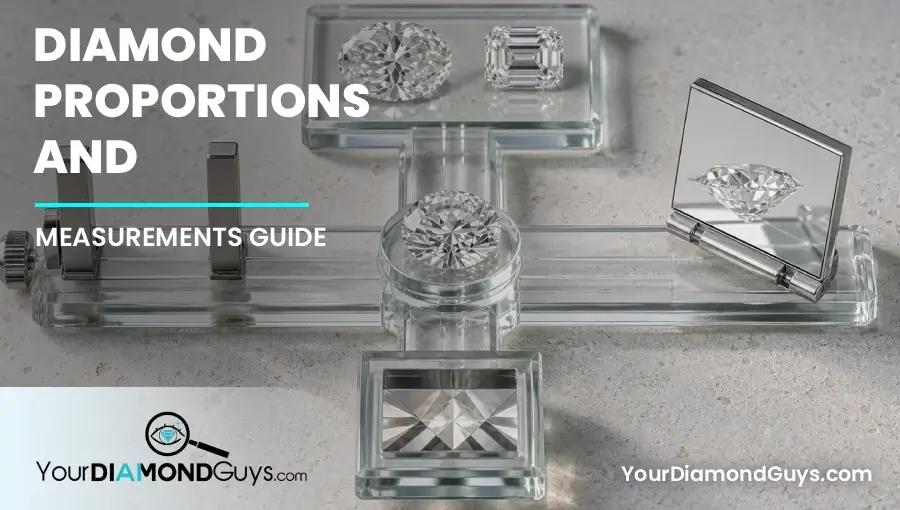
See which millimeters control the face up footprint and which number reveals vertical weight.
Free expert guidance by email or video chat.
No pressure, No sales pitch. Just honest help from diamond experts.
Diamond proportions show where the weight sits and how the facets work together. They are a screening system, not a beauty grade. Start with the GIA report, compare the relationships, then make the actual diamond prove the numbers.
By Rob Cornfield, Co-Founder of YourDiamondGuys.com. More than 30 years in the global diamond trade. Specialist in diamond cut and light performance.
The report can look safe while the stone looks small, dark, windowed, or uneven. I have watched cutters save a carat threshold by leaving weight where the buyer cannot see it. Millimeters expose that decision. Video tells you what it did to the diamond.
Measurements, depth, outline, and light return work as one decision system.
See which millimeters control the face up footprint and which number reveals vertical weight.
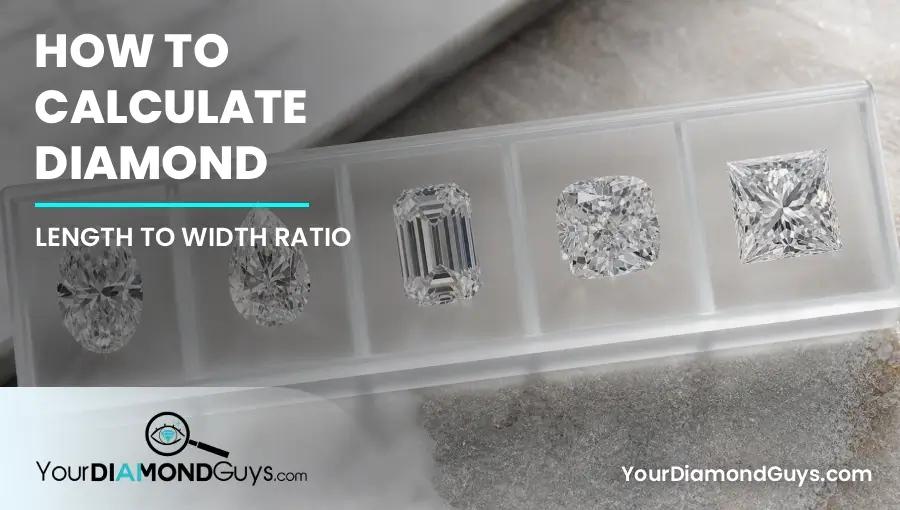
Turn the first two measurements into a ratio, then check whether the outline actually supports it.

Understand why a table percentage only works when the crown and pavilion support the same result.
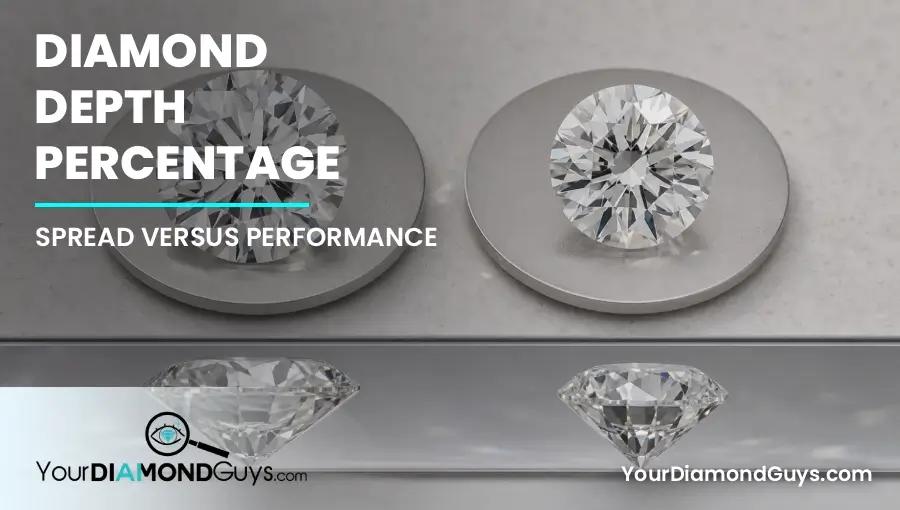
Find weight hidden below the girdle without rewarding a shallow diamond that leaks light.
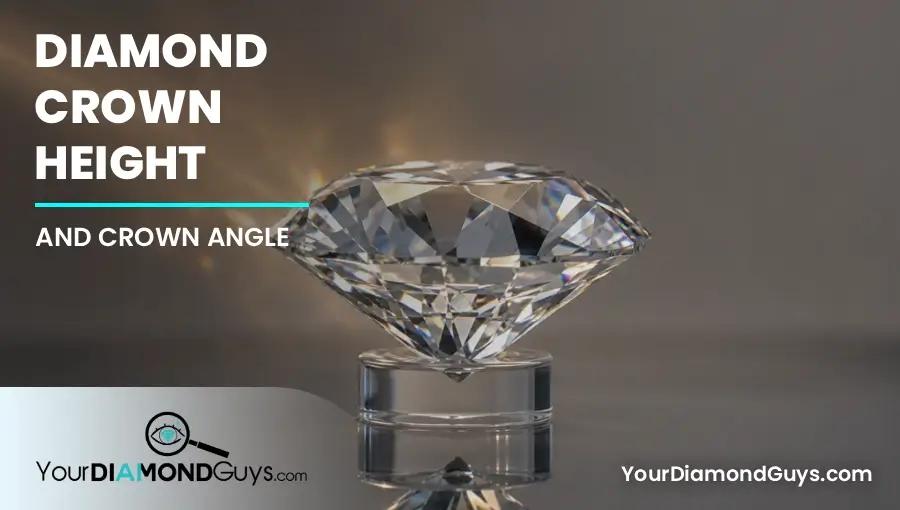
Use crown geometry to judge the opportunity for fire, spread, and a balanced angle pair.
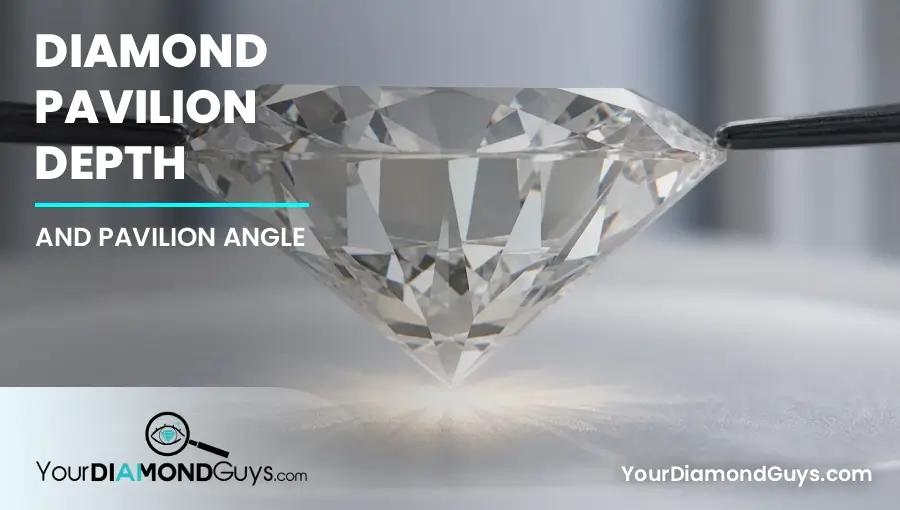
See why the pavilion controls light return and why shallow and steep stones fail differently.

Separate two report measurements that answer different buyer questions.
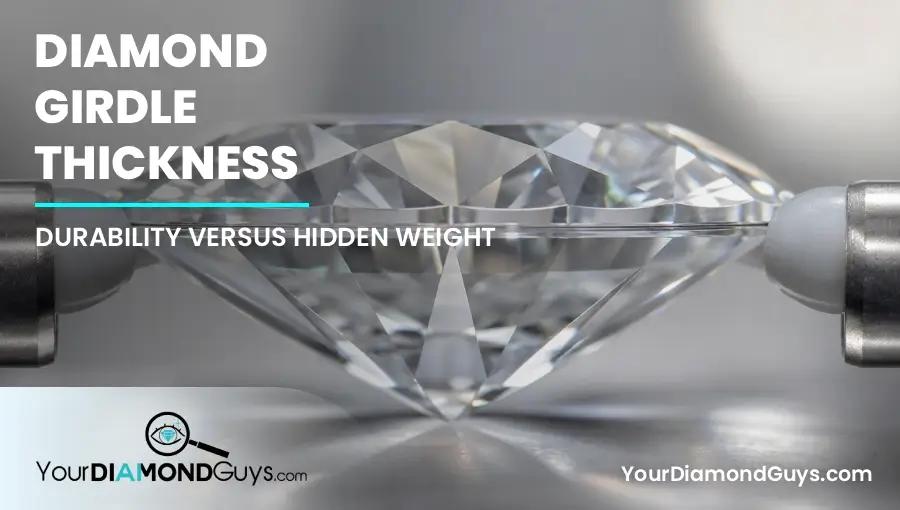
Balance durability, setting security, and the cost of weight carried around the edge.

Judge modern and antique cuts differently when the bottom facet shows through the table.
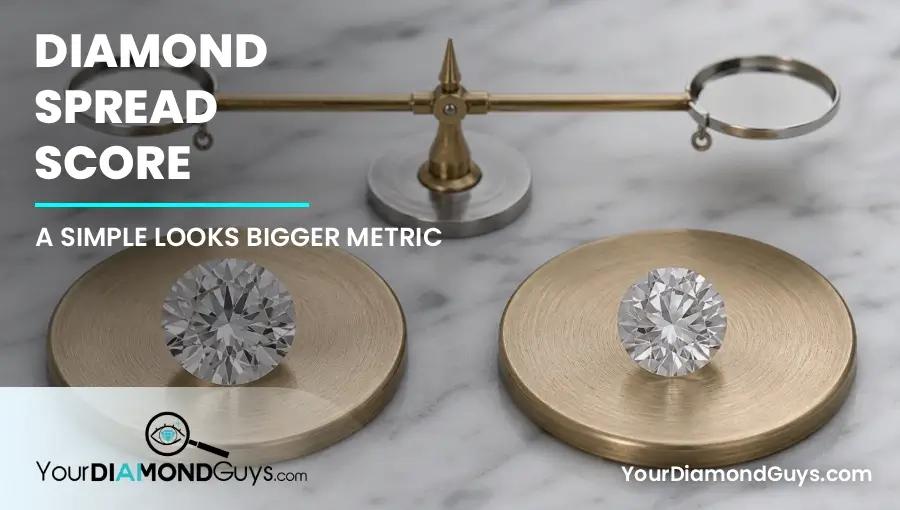
Compare face up size inside a fair peer group without turning one number into a cut grade.
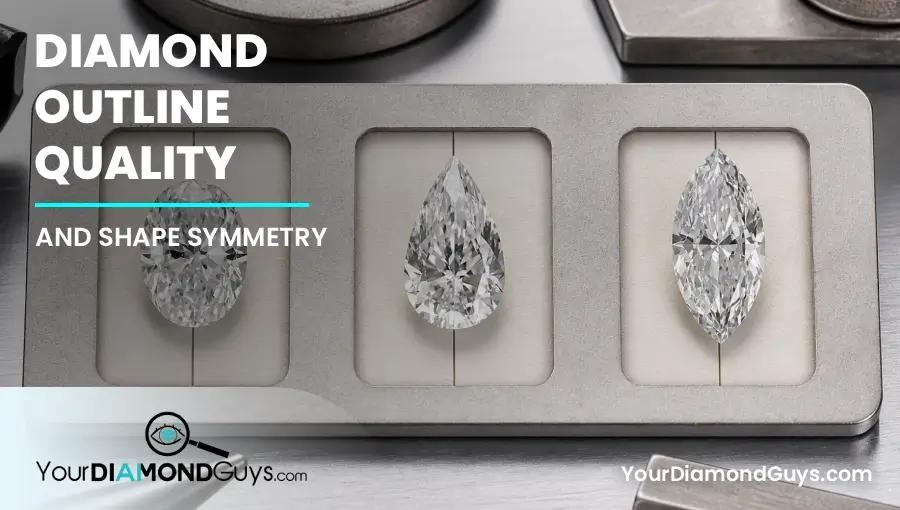
Check symmetry, shoulders, bellies, points, corners, and the centerline the report cannot grade.
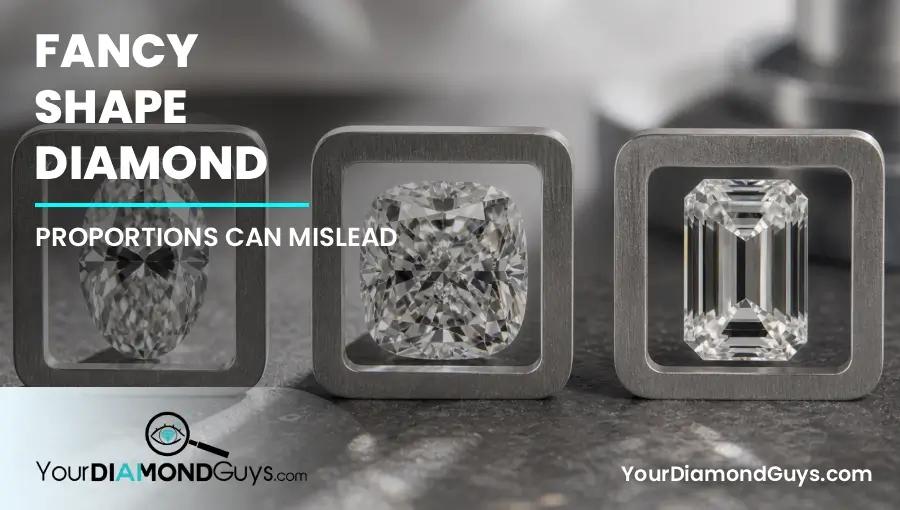
Learn why matching table and depth percentages can still produce completely different diamonds.

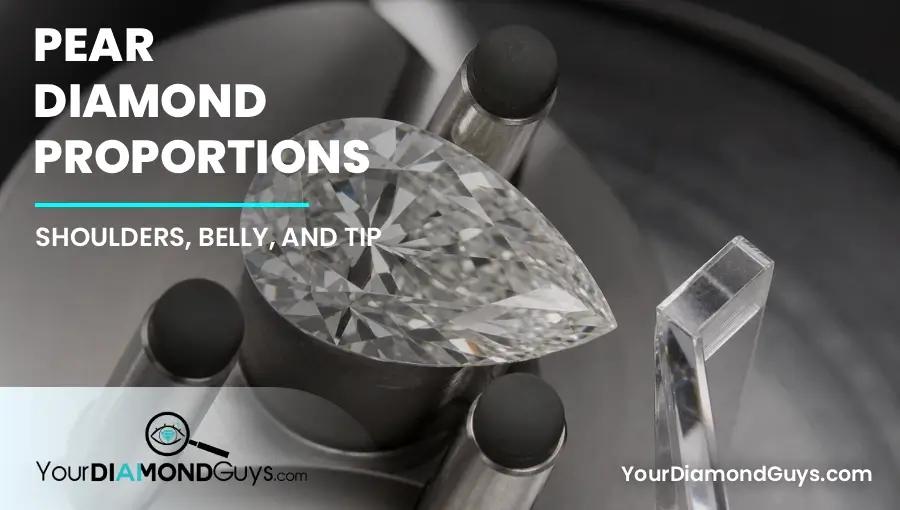
Judge shoulders, belly, point alignment, bow tie, and tip durability as one shape.
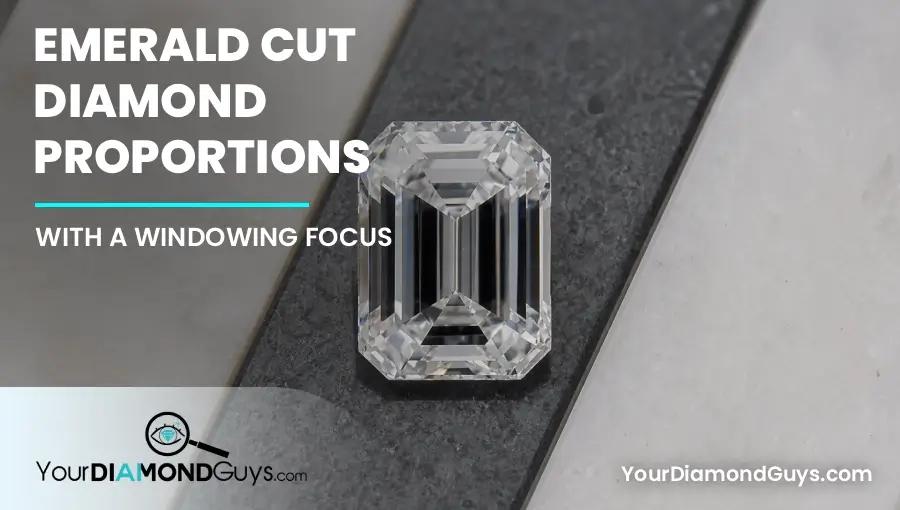
Reject windowing first, then compare ratio, step pattern, corners, and spread.
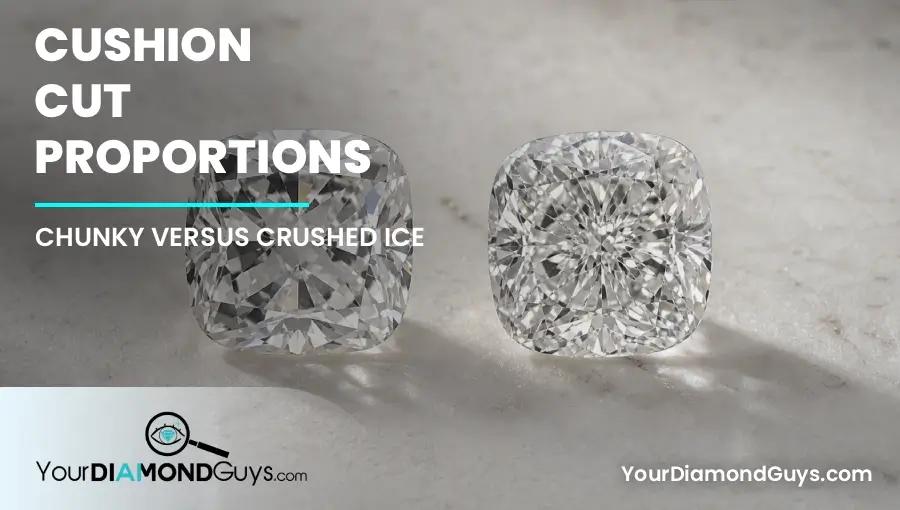
Identify chunky or crushed facet style before trying to compare the numbers.
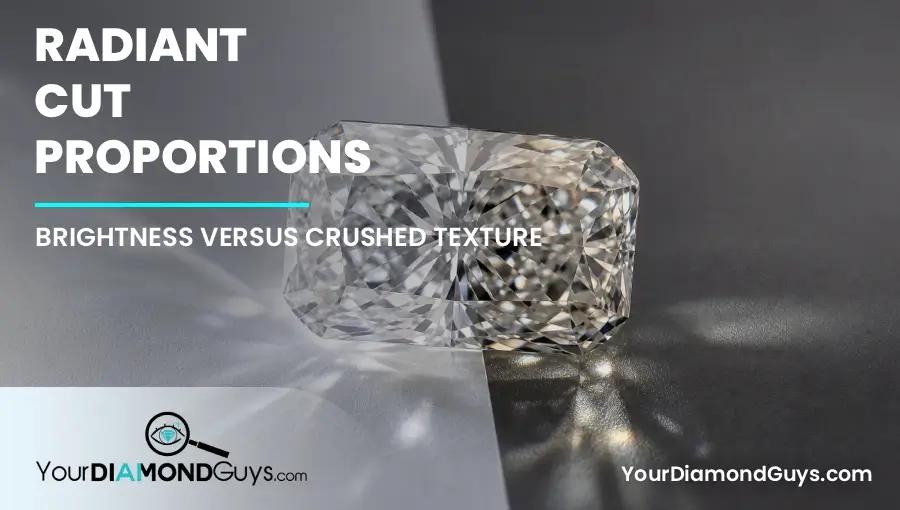
Separate crisp mixed cut texture from a dark or mushy crushed pattern.
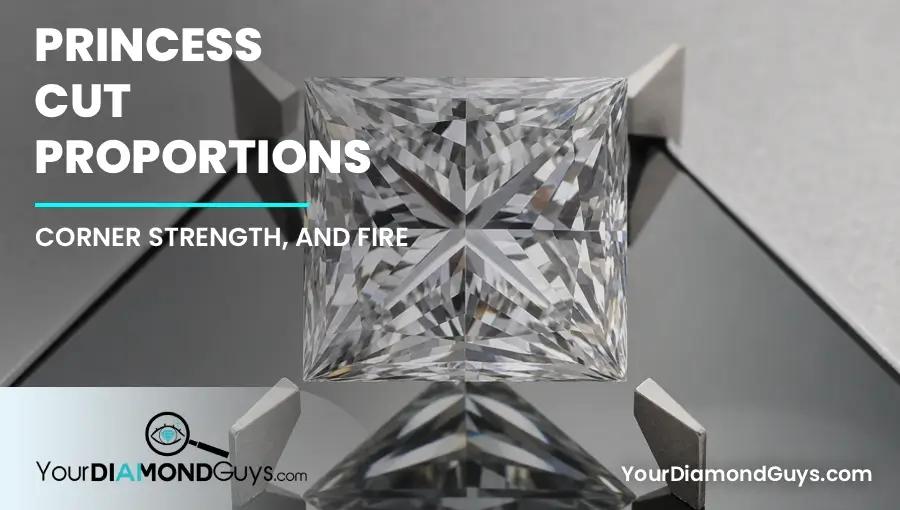
Check square outline, pavilion bulge, fire, and corner protection before price.
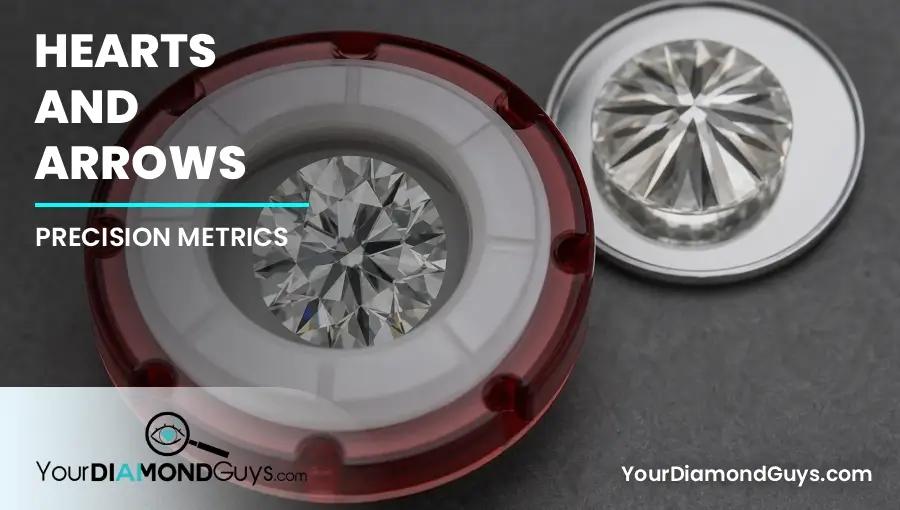
Verify pattern alignment, image capture, and optical symmetry instead of trusting a label.
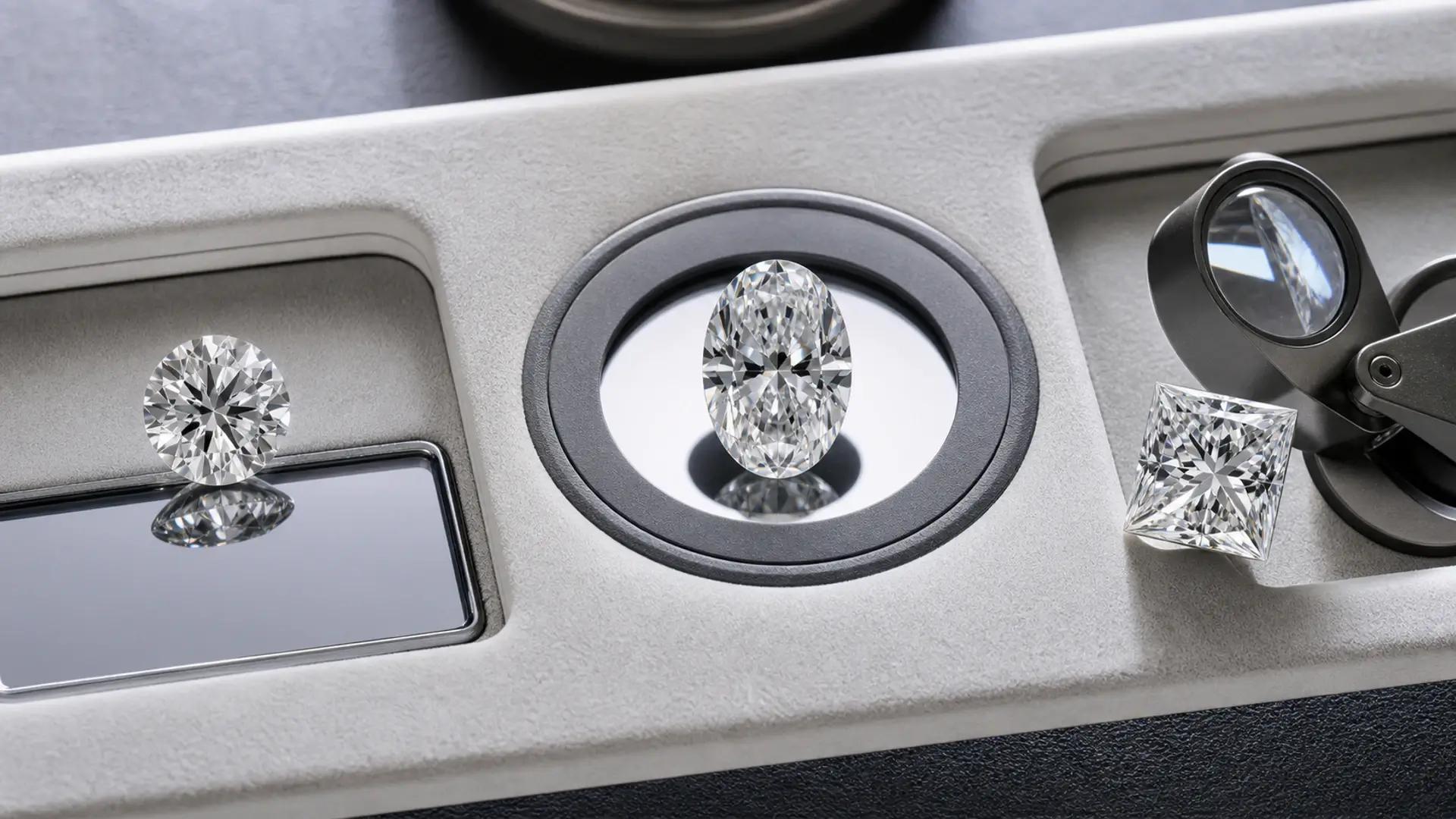
Run a fast report and visual triage before a diamond reaches the final shortlist.
Keep the topic connected. Use the diamond cut quality guides for light return and finish, the diamond shape guides for broad shape buying advice, and the diamond carat and size guides for millimeter and budget comparisons.
Questions? Reach out directly for a free consultation, or drop them in the Diamond Buyers Academy community — Rob and Josh answer personally.
*Some links on our site may earn us a small commission at NO EXTRA cost to you, helping us keep our content free*