Active Lifestyle Size and Setting Considerations
By Josh Allen, Co-Founder of YourDiamondGuys.com. Fifth generation diamantaire with 30+ years in the global diamond trade. Former supplier to Tiffany & Co., Cartier, and Harry Winston.
Here is the daily wear truth, the best diamond size is the one that looks good and does not fight your life.
Big can be beautiful.
Big can also snag, spin, sit high, and make you nervous.
If the ring gets worn every day, comfort and protection matter as much as the face up look.
For natural diamonds, I start with GIA because the report gives you the carat weight, measurements, and first facts worth checking before you compare stones.
I always ask how someone uses their hands. Gym, kids, travel, gloves, medical work, horses, kitchens, and tools all change the setting conversation.
How This Fits Your Buying Decision
This is the daily wear layer inside the diamond carat size and finger coverage guide. The right size has to look good and still fit the way the ring gets worn.
Size Has A Practical Limit
The larger the diamond, the more height, weight, and surface area you manage. That can be fine, but it has to fit the wearer.
A ring that constantly catches on things ends up in a drawer. That is not the goal.
Settings That Work Harder
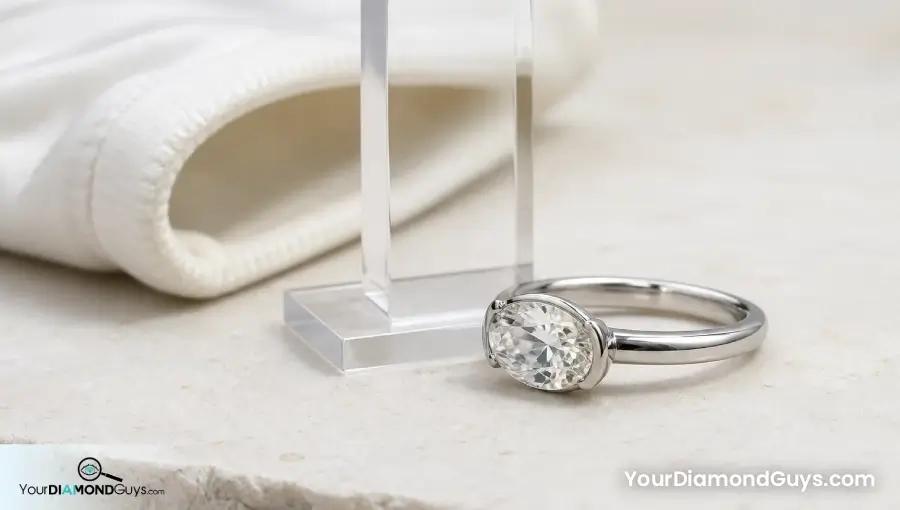
Lower profile settings, secure prongs, bezels, and sturdier bands help active wearers.
The trick is finding protection without burying the center stone under too much metal.
| Lifestyle Factor | Size Concern | Setting Move |
|---|---|---|
| Gym or sports | Impact and bending | Lower profile or remove ring |
| Medical gloves | Snagging | Lower setting and smooth prongs |
| Hands on work | Knocks and pressure | Sturdier band and secure prongs |
| Travel | Loss risk | Insurance and practical size |
| Kids and daily errands | Snags and scratches | Comfortable profile |
Shape And Risk
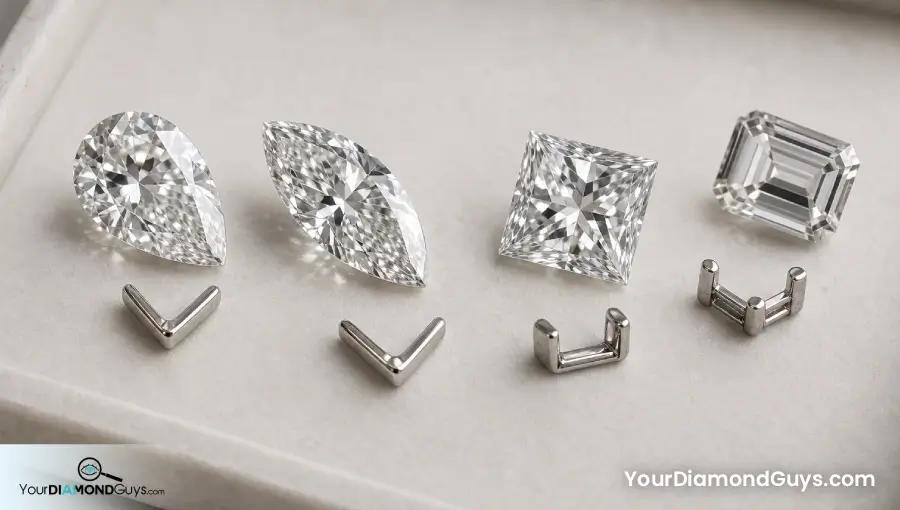
Pointed shapes like pear and marquise need tip protection. Emerald and princess corners need thoughtful prongs. Larger rounds and ovals need stability so they do not spin.
The prongs and bezels guide helps you match protection to shape.
Band Width And Durability
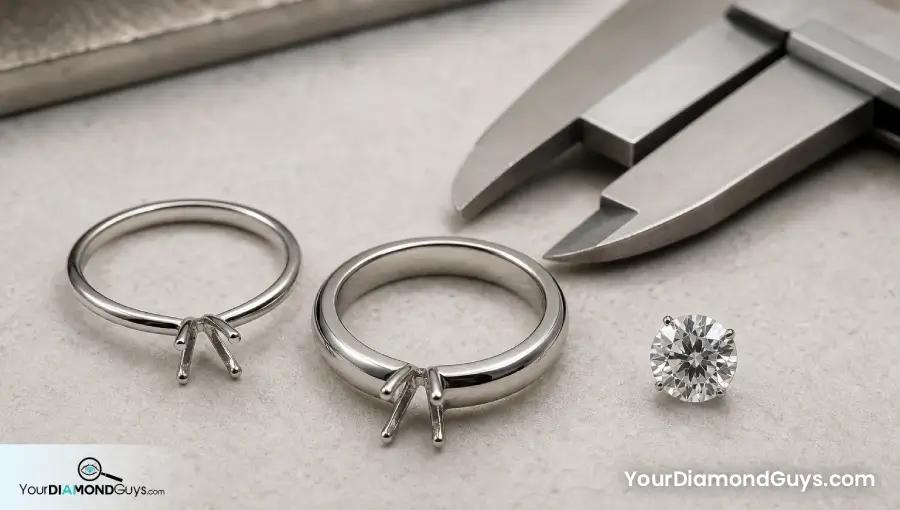
Super thin bands look delicate, but active wearers need enough metal. A slightly wider band can still look elegant and wear better.
This is where the band width guide matters more than Instagram taste.
Insurance Belongs In The Conversation

The more expensive and exposed the ring, the more I want buyers thinking about coverage, appraisals, and what happens if the ring gets damaged or lost.
That is not fear. That is grown up jewelry ownership.
The Daily Wear Shortlist
I would shortlist active lifestyle rings by comfort first, then size. That does not sound glamorous, but it is the difference between a ring that gets worn and a ring that lives in a box. Height, prong security, band strength, and insurance all belong in the same conversation.
The buyer should compare the dream size against the daily version. Sometimes they match. Sometimes a slightly lower profile or smaller center makes the ring feel safer and more wearable without losing the look.
An Active Lifestyle Example
A buyer wants a 2.50 carat oval and works with gloves all day. The size can be beautiful, but a tall setting will be annoying.
I would look at a lower profile, secure prongs, and a band that does not feel too delicate.
The right ring should survive normal life without becoming a daily worry.
Active Lifestyle Mistakes I Would Avoid
- Do not choose a tall setting if snagging is a daily issue.
- Do not pair a large center with a fragile band.
- Do not leave pointed shapes under protected.
- Do not skip insurance on a ring you wear everywhere.
- Do not buy a size that makes the wearer afraid to wear it.
Questions To Ask For Daily Wear
- What does the wearer do with their hands every day?
- Will the ring be worn at work, the gym, or during travel?
- Does the setting sit too high?
- Are the prongs and points protected?
- What insurance and appraisal plan makes sense?
Where To Compare Protection
Use insurance links as comparison tools, not automatic recommendations. I would review BriteCo and Lavalier for coverage, exclusions, appraisal rules, and claim process, then pick what fits the ring and your comfort level.
My Buyer Recommendation
Pick the largest size that still feels wearable and secure.
A practical ring is not less romantic. It is the ring that actually gets worn.
Reach out to Rob or me at YourDiamondGuys.com, or book your free consultation. We will look at the actual stone with you. No sales pitch.
Why Diamond Diameter Matters More Than Carat Weight
Questions? Reach out directly for a free consultation, or drop them in the Diamond Buyers Academy community — Rob and Josh answer personally.
Questions Buyers Ask Us
More Diamond Size Guides Worth Reading
These are the guides I would read next if you are still comparing size, shape, setting style, or value.
Prongs, Bezels, and Size Illusions
Balance visible diamond edge, metal weight, protection, and setting height.
Band Width and Proportion
Use band width to control how large the same center stone reads.
Best Size by Ring Size
Translate carat and millimeters into real finger coverage on the hand.
Best Size for Small Hands
Keep petite hand proportion, setting height, and shape balance honest.
Halo vs Solitaire Size
See when a setting adds visual spread and when it just adds maintenance.
*Some links on our site may earn us a small commission at NO EXTRA cost to you, helping us keep our content free*