Start here
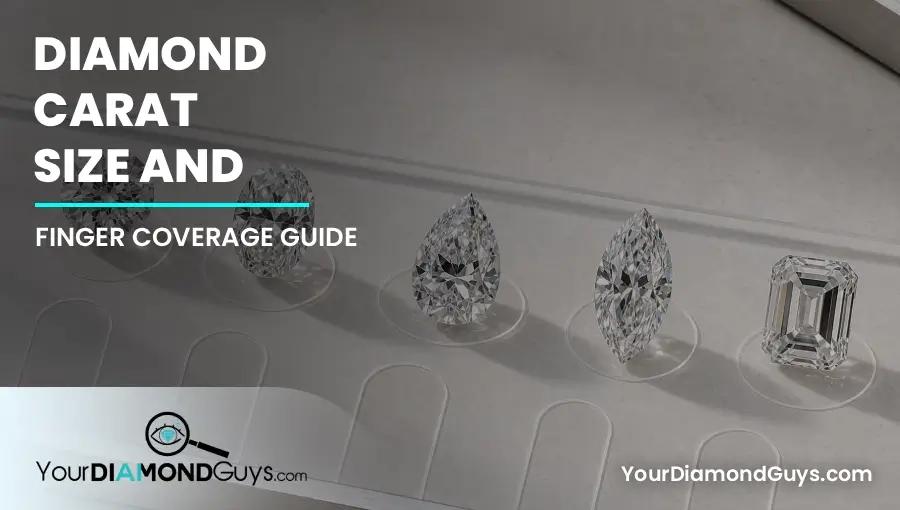
Diamond Carat Size and Finger Coverage Guide
The main guide for carat weight, millimeters, shape, spread, ring size, and setting proportion.
Free expert guidance by email or video chat.
No pressure, No sales pitch. Just honest help from diamond experts.
By Josh Allen, Co-Founder of YourDiamondGuys.com. Fifth generation diamantaire with 30 plus years in the global diamond trade. Former supplier to Tiffany & Co., Cartier, and Harry Winston.
Diamond carat size only tells you weight. It does not tell you how big the diamond will look. A 1.00 carat diamond with weak spread can look smaller than a 0.90 carat diamond with better millimeters and a cleaner outline.
For natural diamonds, start with GIA. Then use the measurements, shape, depth, video, setting, and real finger coverage to decide whether the carat number earned its price.
The central entity here is diamond carat size. The real buyer intent is simple, get the look you want without paying for weight your eye never sees.
This page is the parent guide for the diamond carat size cluster. It connects carat weight, millimeters, face up spread, depth percentage, shape, ratio, finger coverage, setting proportion, lifestyle fit, earrings, pendants, and matching pairs into one buying route.
Why carat weight and millimeter size can tell two different stories.
How hidden weight, depth percentage, and face up footprint change the size you see.
Why ovals, pears, marquise cuts, emerald cuts, cushions, and rounds need different size rules.
How halos, band width, prongs, bezels, ring size, small hands, daily wear, studs, and pendants change the final decision.
Inside the trade, nobody stops at the carat number. We check the actual measurements, depth, outline, brightness, and price. If a stone weighs 2.00 carats but faces up like a tired 1.80, that extra weight is not a flex. It is just weight you bought and cannot see.
This is the order I like for buyers. Start with the size math, then work into shape, settings, hand coverage, and the jewelry format you are actually buying.
| Cluster Area | Buyer Question | Best Starting Guides |
|---|---|---|
| Size foundation | What does carat weight actually change in a buying decision? | Diamond carat size guide, Carat vs millimeters, MM to carat size chart |
| Spread and hidden weight | Does the diamond look like the weight it claims? | Face up spread, Depth percentage, Magic sizes |
| Shape coverage | Which outline gives the best size look without creating new problems? | Shapes that look biggest, Round vs oval, Elongated ratio coverage |
| Fancy shape checks | Which cuts need stricter spread, ratio, and transparency review? | Emerald cut size, Cushion cut size |
| Setting proportion | How does the ring make the center diamond look larger or smaller? | Halo vs solitaire, Band width proportion, Prongs and bezels |
| Hand and lifestyle fit | What size looks balanced on the actual hand and still wears well? | Best size by ring size, Small hands, Active lifestyle, Real life photos |
| Jewelry sizing | How does carat size change for earrings, pendants, and matching stones? | Diamond studs, Diamond pendants, Matching pairs |
Use these terms as buyer tools, not vocabulary homework. The point is to know what to check before the price tag gets your attention.
| Term | What It Means For Buyers | What To Do Next |
|---|---|---|
| Carat weight | The weight of the diamond, not the exact size your eye sees. | Use it for budget and filters, then verify millimeters. |
| Millimeters | The length and width measurements that show face up size. | Compare the exact measurements against normal ranges for that shape. |
| Face up spread | How large the diamond looks from the top. | Watch for stones that carry weight in depth instead of visible footprint. |
| Depth percentage | How much of the diamond weight sits vertically. | Reject deep stones when the smaller spread and light performance do not justify the price. |
| Length to width ratio | The outline shape that controls whether an oval, pear, marquise, or emerald looks long or stubby. | Choose the ratio that flatters the hand and still looks balanced in video. |
| Finger coverage | The way diamond size, shape, ring size, and setting proportion work together on the hand. | Use photos and try on references, but judge them with measurements nearby. |
This hub does not tell you to buy the biggest diamond you can afford. That is how buyers overpay. It also does not pretend smaller is always smarter. The point is to separate real visual size from carat weight that hides below the face, fights the setting, or looks wrong on the hand.
Do not read these like homework. Use them like a buying route. Start with carat versus millimeters, then move into spread, shape, setting, hand coverage, and jewelry specific sizing.
The main guide for carat weight, millimeters, shape, spread, ring size, and setting proportion.
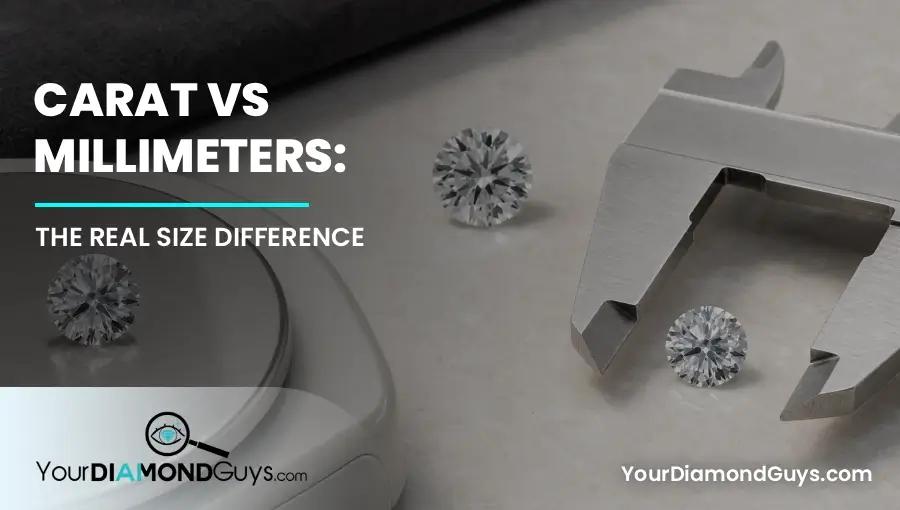
Separate the weight you pay for from the face up size your eye actually sees.
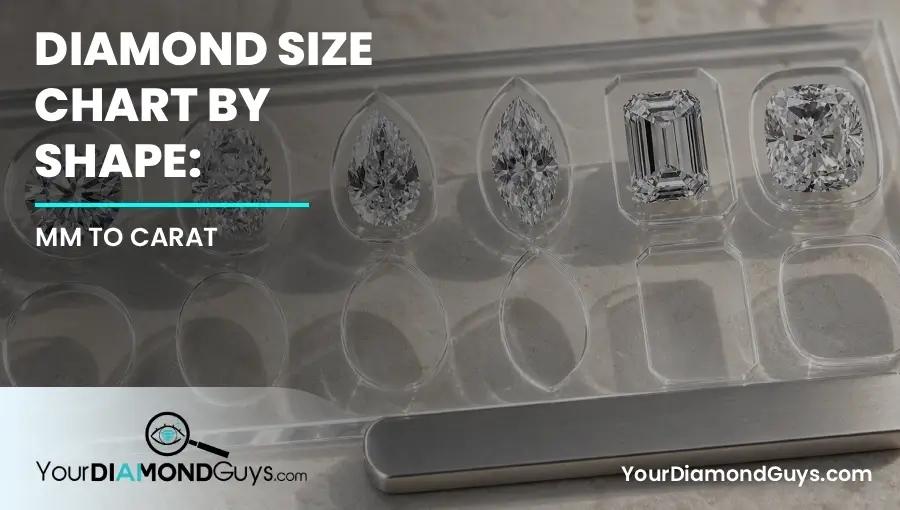
Use normal measurement ranges by shape before a single listing talks you into a weak spread.
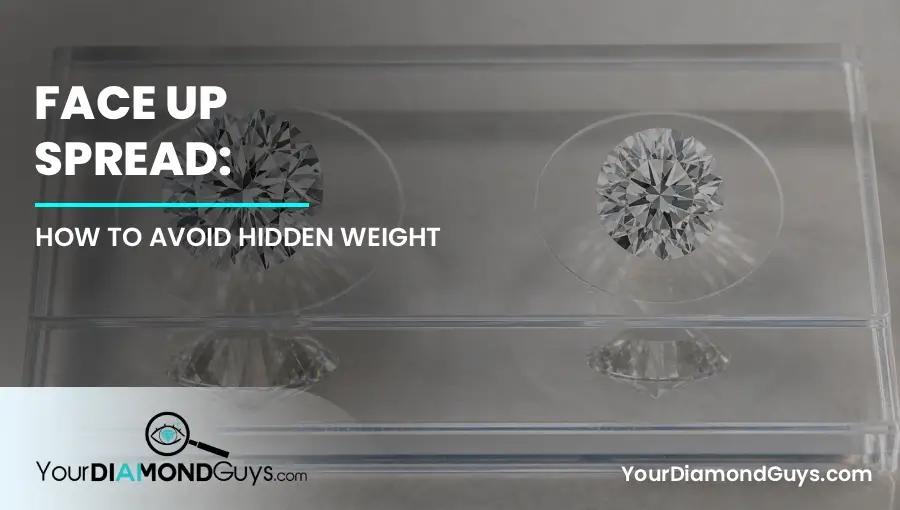
Spot deep stones that keep weight below the face and look smaller than the carat suggests.

Use depth as a size and performance check before a discount starts looking tempting.
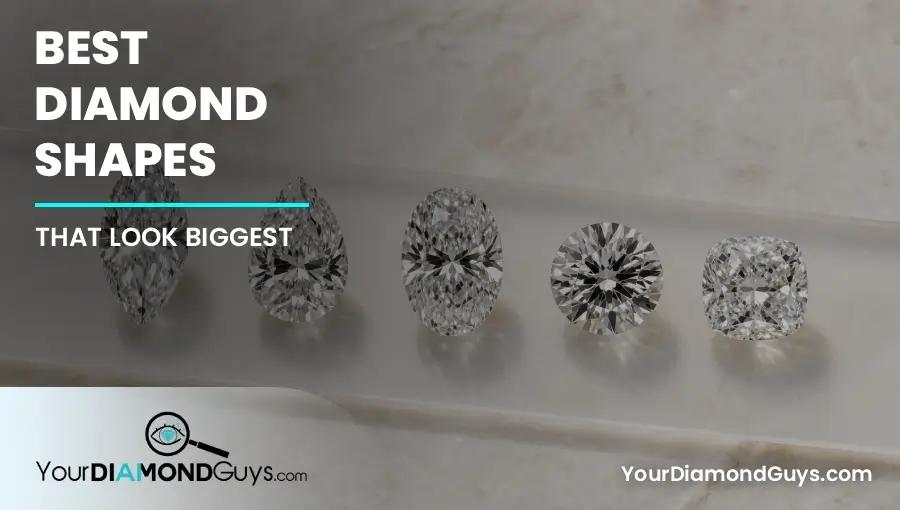
Rank shapes by face up coverage and learn where the larger outline creates a real tradeoff.
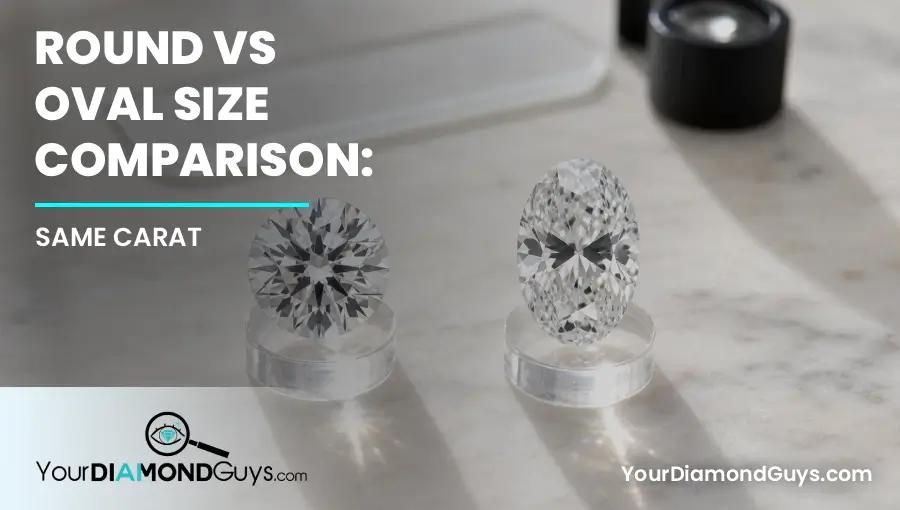
Compare classic round brightness against the longer footprint and bow tie risk of an oval.
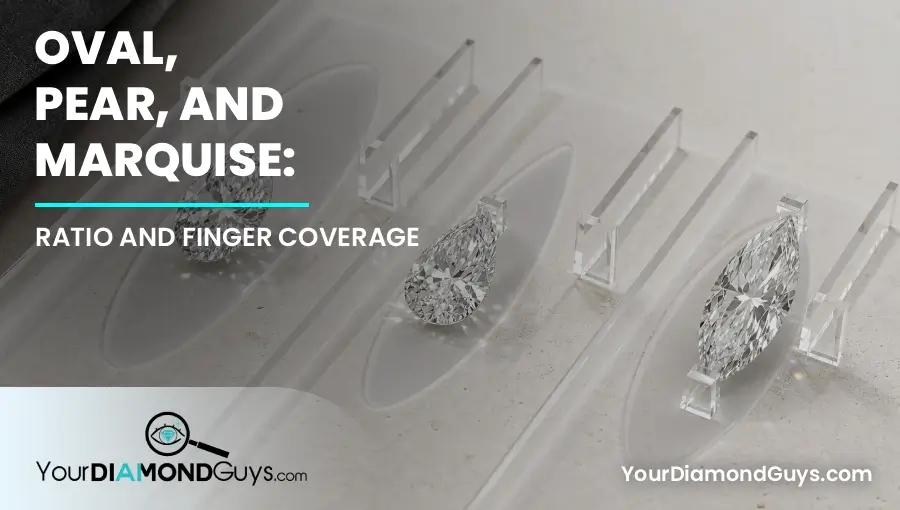
Use length to width ratio to decide when elongated coverage flatters and when it gets awkward.
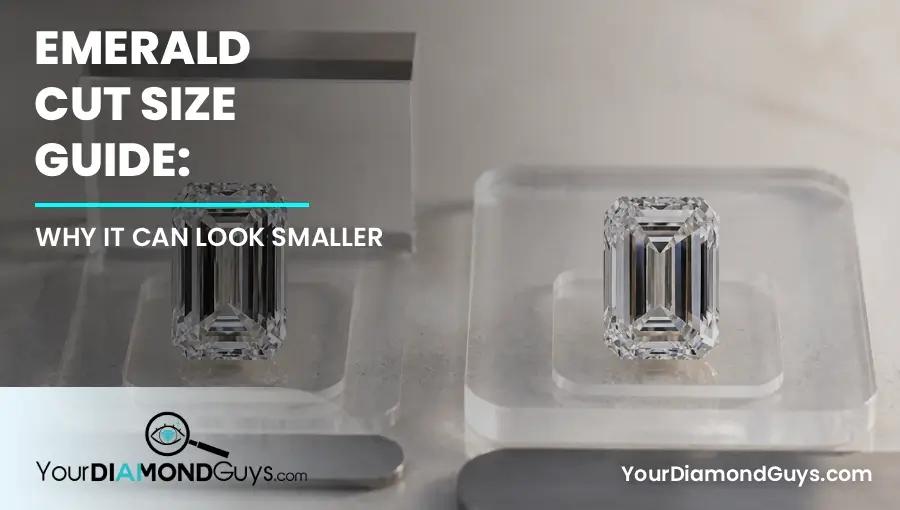
Emerald cuts need spread, depth, clarity, and transparency checked together before size wins.
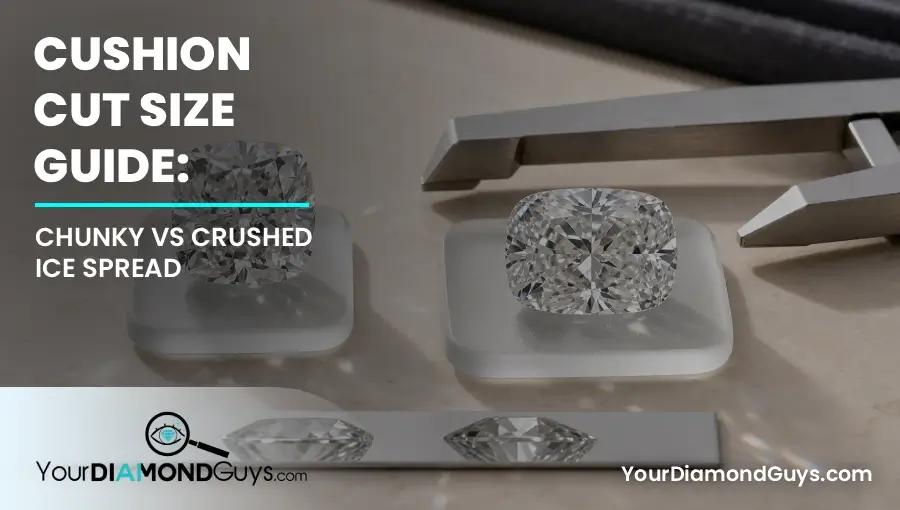
Cushions vary wildly, so facet style and depth can change the footprint at the same carat.
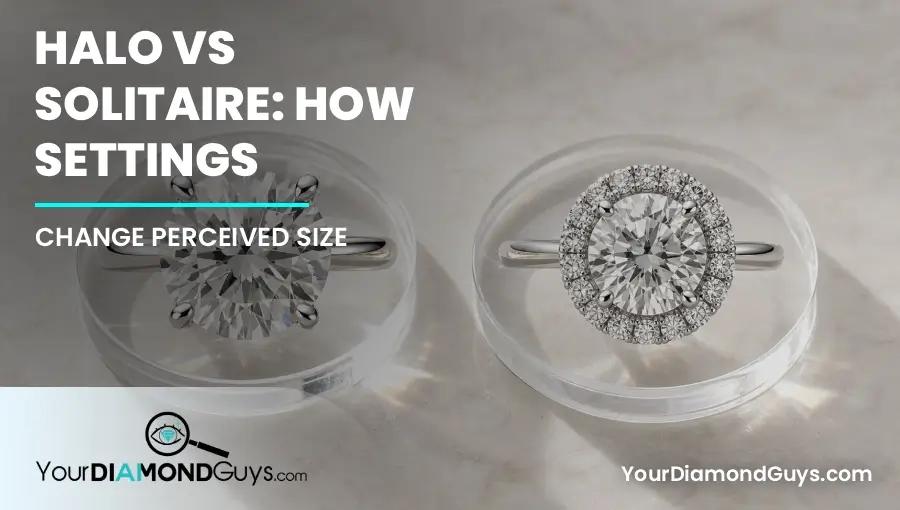
Compare the visual gain of a halo against the cleaner center focus and maintenance of a solitaire.
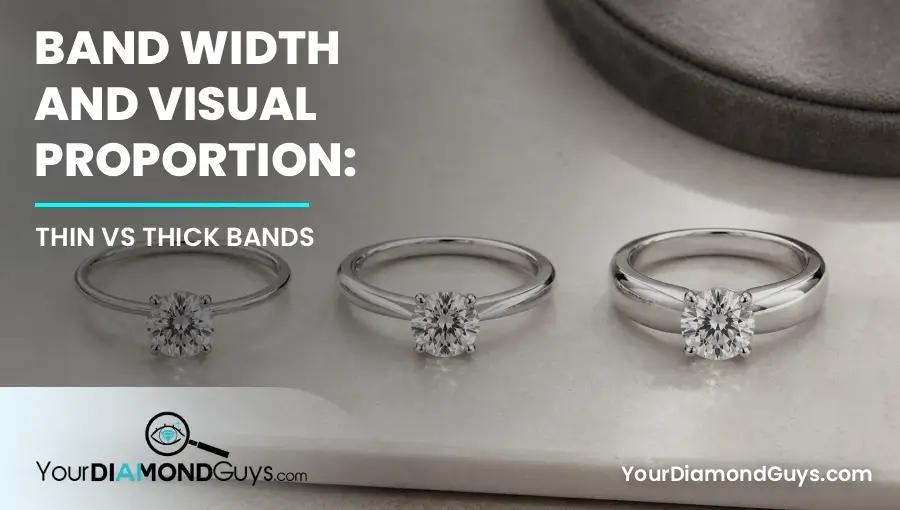
See how band width changes the same center stone on the hand before you choose the setting.
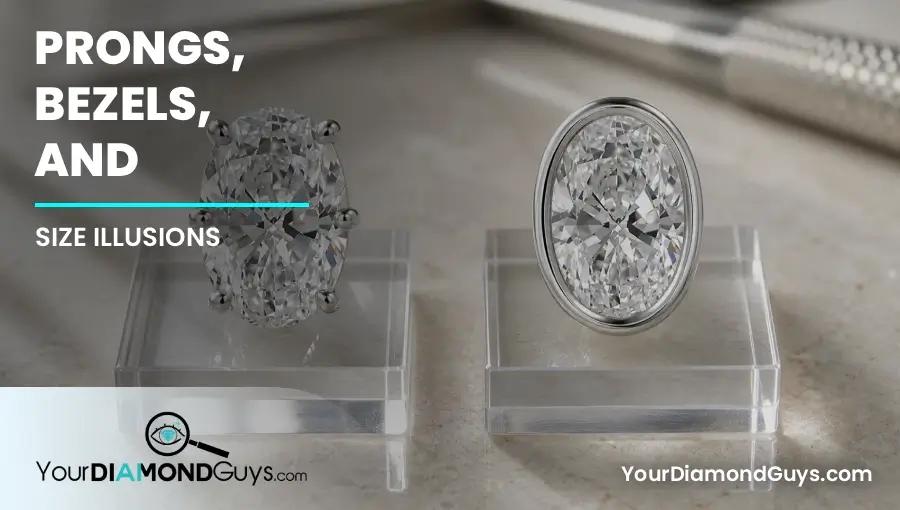
Use metal around the stone to balance visible outline, protection, color contrast, and size.
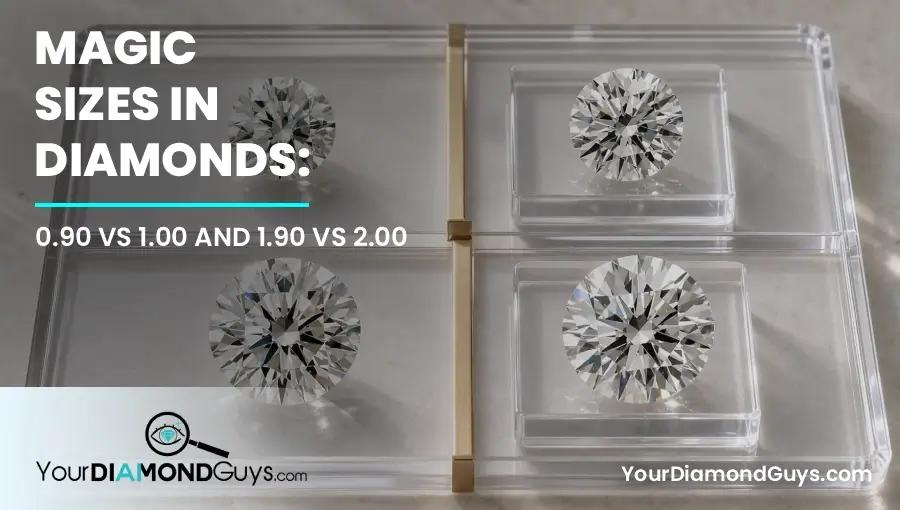
Check the price jump at milestone weights and see when a just under stone looks nearly identical.
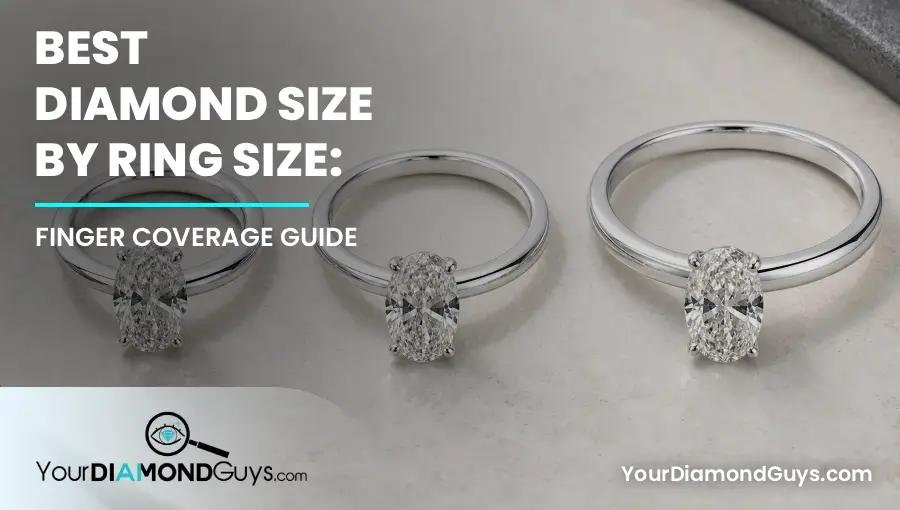
Turn carat and millimeters into a real hand decision by ring size, shape, and coverage.
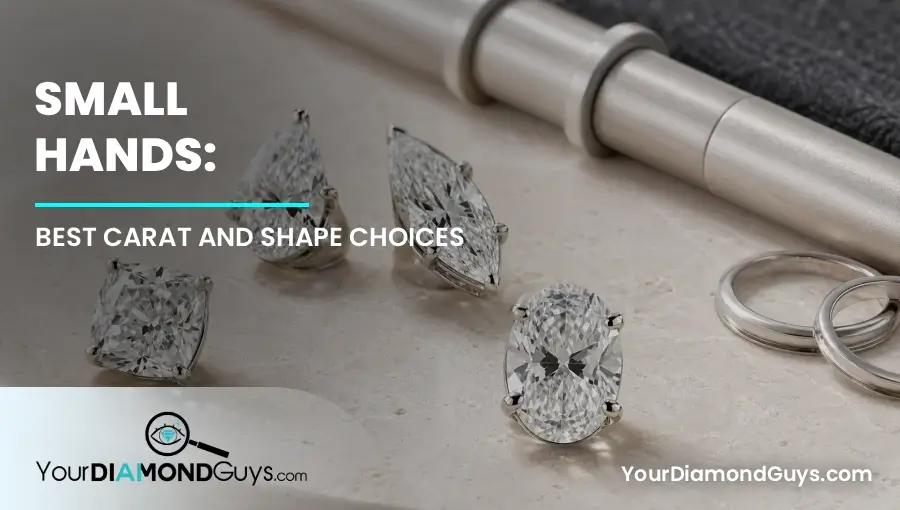
Pick size, shape, band width, and height that flatter petite fingers without overwhelming them.
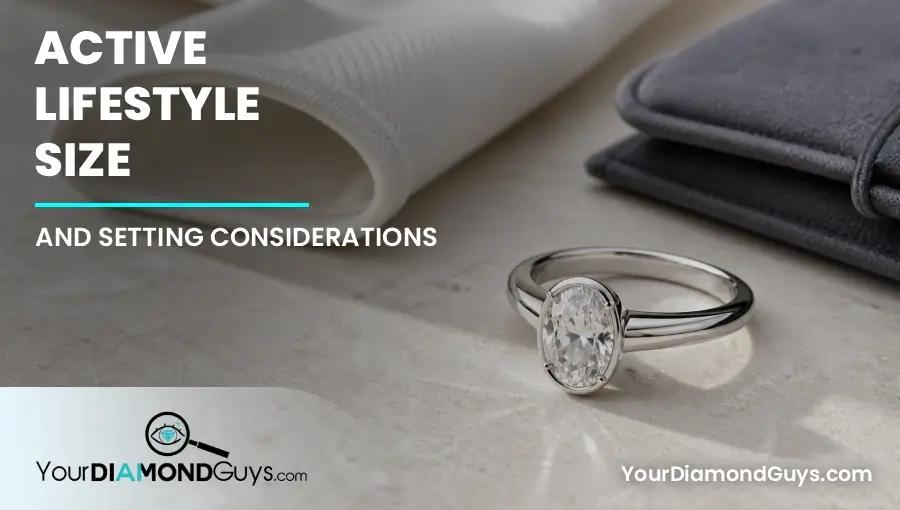
Balance bigger visual size against snag risk, comfort, protection, setting height, and insurance.
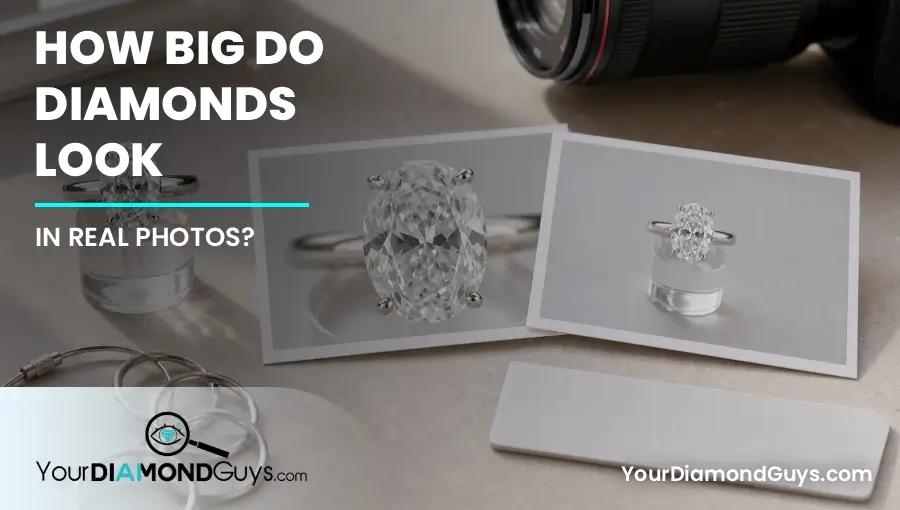
Use photos the right way by checking ring size, hand shape, camera distance, lighting, and angle.
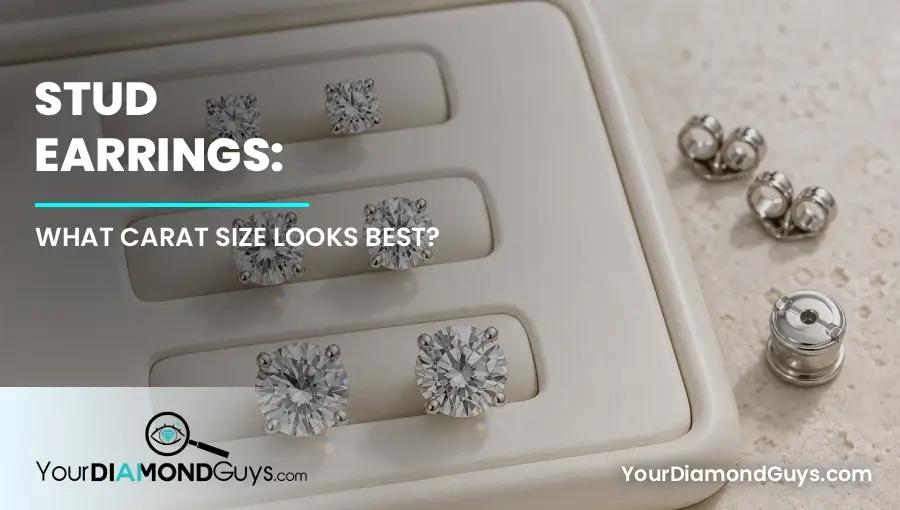
Understand total carat weight, per ear size, daily wear proportions, and matching pair basics.
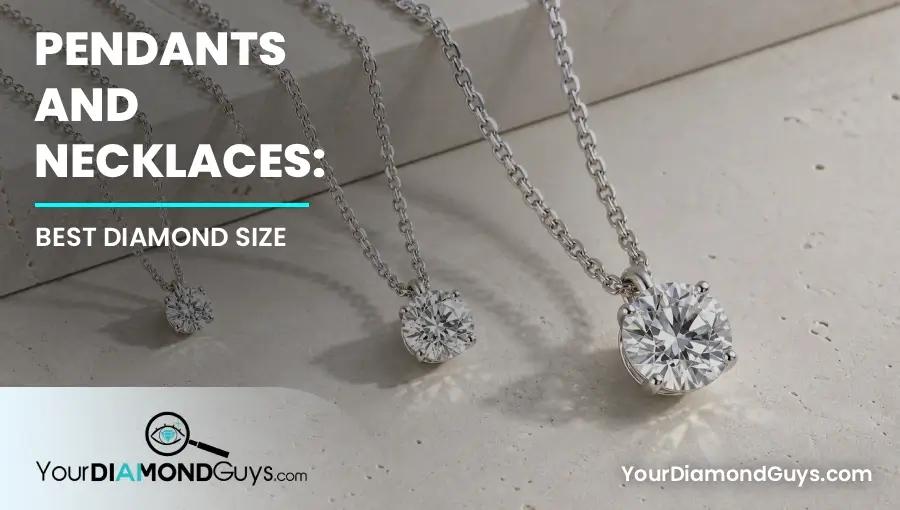
Choose pendant size by viewing distance, chain thickness, brightness, setting style, and comfort.
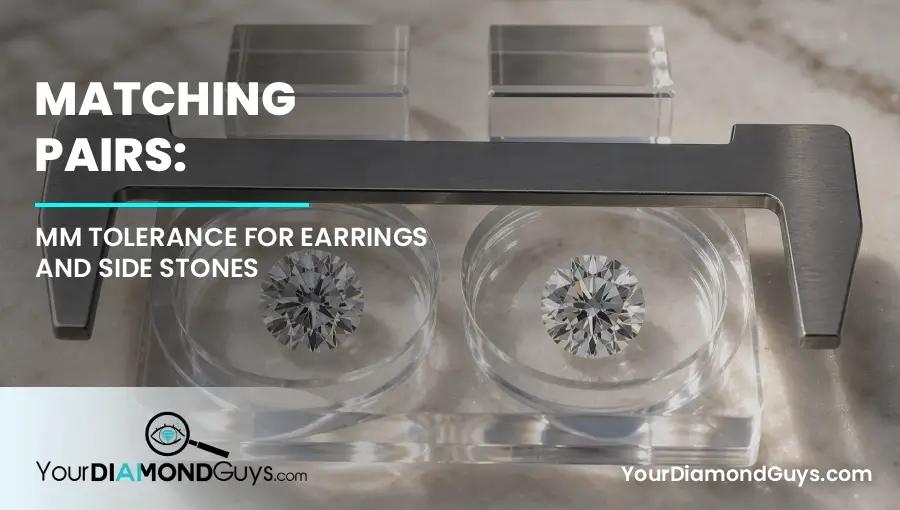
Match two diamonds by millimeters, shape, brightness, color, and outline before paperwork wins.
A diamond passes the size test when the carat weight, millimeters, shape, spread, setting, hand coverage, and price all make sense together.
That sounds simple. It is not how most buyers shop. Sellers lead with the clean number because 1.50 or 2.00 feels easy to understand. The hand sees the whole thing.
Say two round diamonds both weigh 1.00 carat. One measures around 6.5 mm and has a healthy depth. The other measures closer to 6.2 mm because it carries extra weight below the face. I would not treat those as equal stones. Same carat. Different look. Different value.
Use these sites as comparison tools, not automatic recommendations. I would compare similar natural diamonds on Blue Nile and Ritani, then use the guides here to judge measurements, depth, shape, video, setting fit, return terms, and price before trusting the carat number.
Questions? Reach out directly for a free consultation, or drop them in the Diamond Buyers Academy community — Rob and Josh answer personally.
Send us the stones you are comparing. Rob or I can look at the GIA report, carat, millimeters, shape, depth, setting plan, and price, then tell you which diamond deserves more attention.
*Some links on our site may earn us a small commission at NO EXTRA cost to you, helping us keep our content free*