Foundation check
Diamond Fluorescence 101
Learn what fluorescence is, why blue is common, and the one appearance check that decides whether it matters.
Free expert guidance by email or video chat.
No pressure, No sales pitch. Just honest help from diamond experts.
Diamond fluorescence is not automatically good or bad. The real question is whether the diamond stays crisp, balanced, and worth the price in the light where you will actually wear it. Start with the GIA report, compare the reaction across lighting environments, then verify transparency with real video proof.
By Josh Allen, Co-Founder of YourDiamondGuys.com. Fifth generation diamantaire with more than 30 years in the global diamond trade. Former supplier to Tiffany & Co., Cartier, and Harry Winston. Technical review assigned to Rob Cornfield.
Inside the trade, we do not buy the word Medium or reject the words Very Strong. We look at the diamond. I have seen crisp Strong blue stones that were better buys than comparable None stones, and I have seen soft stones where fluorescence was not even the real cause. Labels narrow the list. Real transparency settles it.
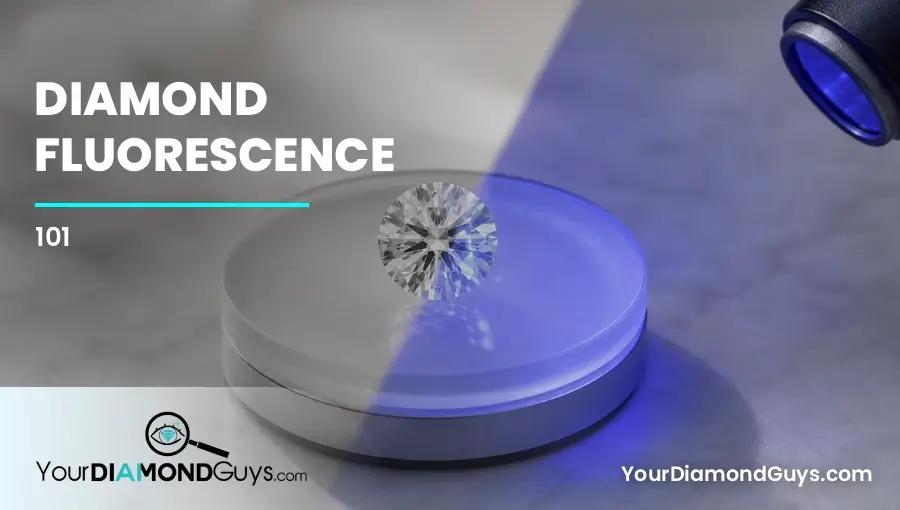
Controlled lighting comparison showing how ultraviolet energy activates diamond fluorescence.
Learn what fluorescence is, why blue is common, and the one appearance check that decides whether it matters.
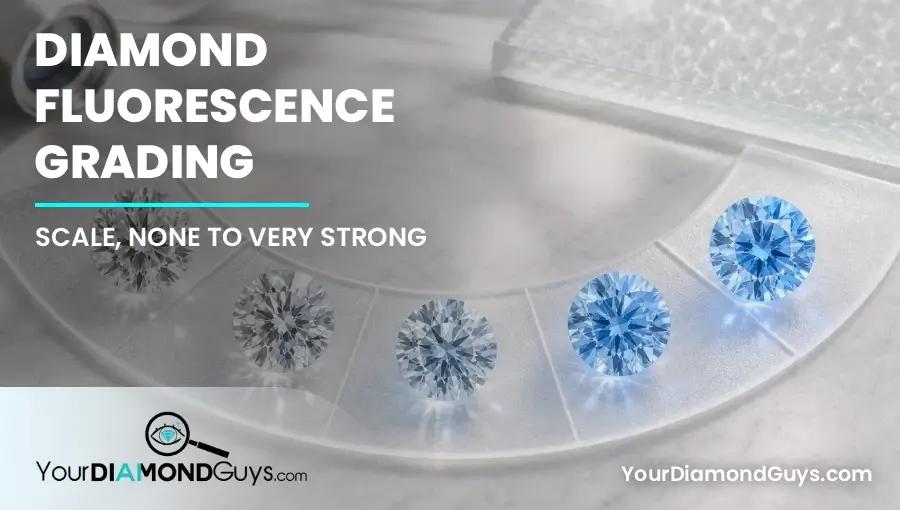
Translate None, Faint, Medium, Strong, and Very Strong into the right inspection level.
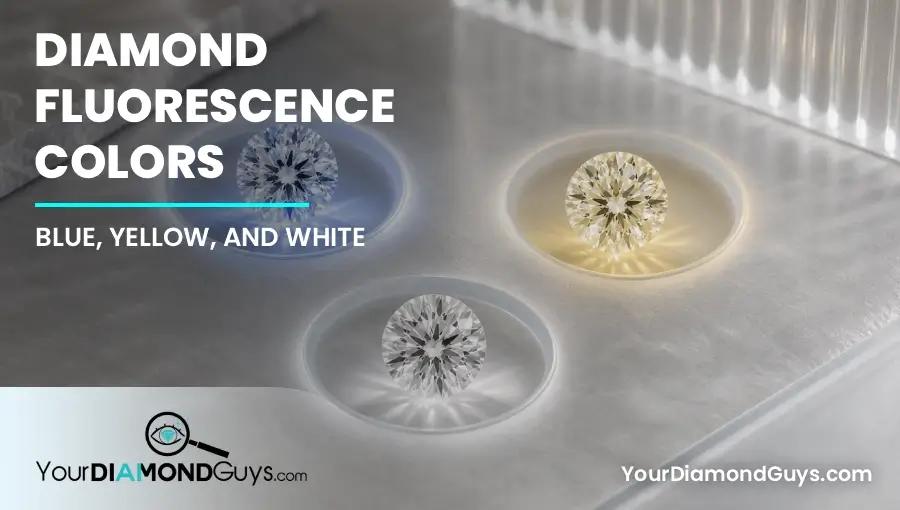
See what blue, yellow, white, and uncommon reaction colors can mean for appearance.
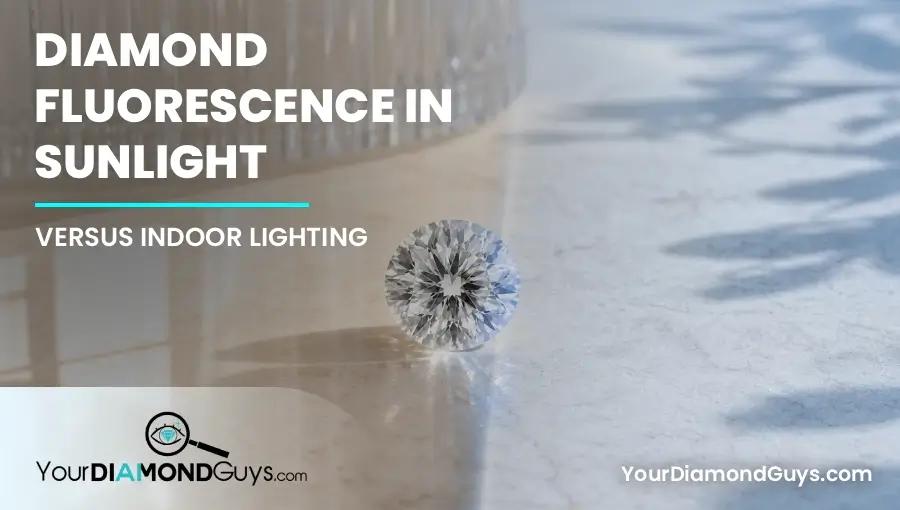
Compare neutral indoor light, open shade, direct sun, and blacklight without letting glare fool you.
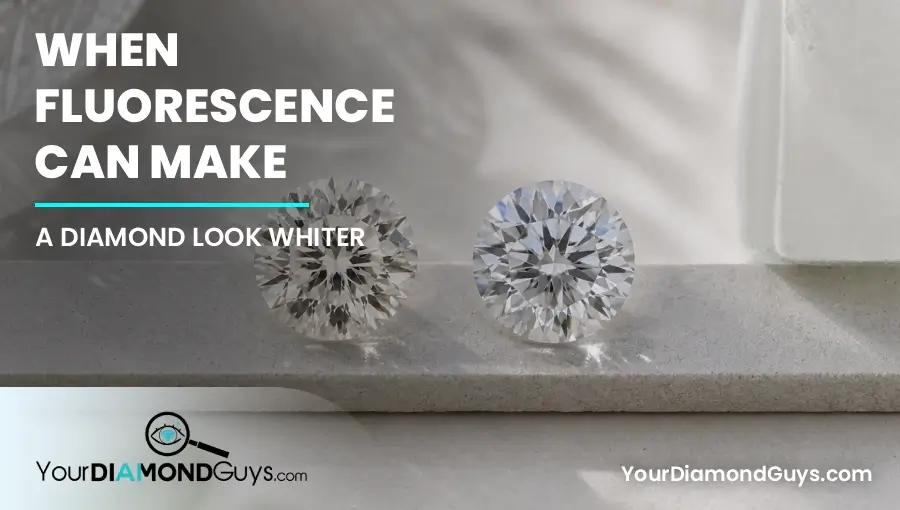
Use blue fluorescence as a possible value lever in warmer I through M color grades.
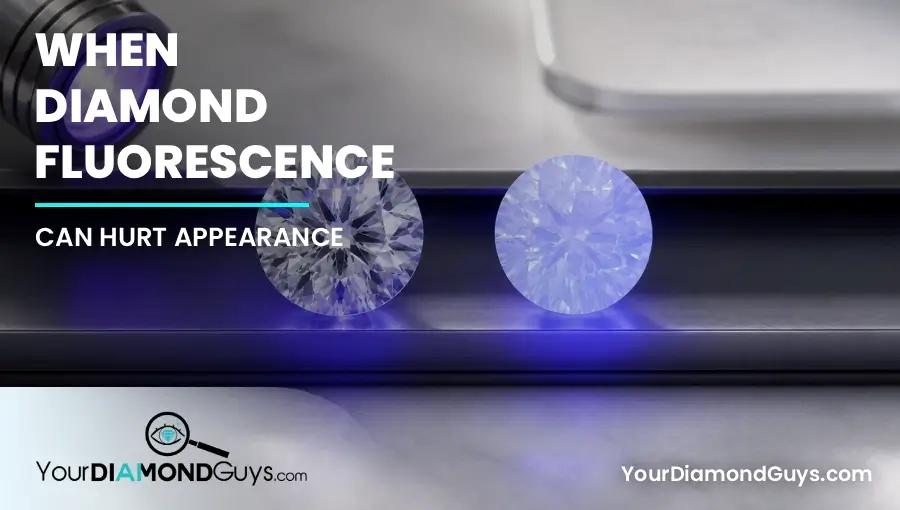
Know the rare haze, oily look, odd blue cast, and flat contrast conditions that deserve a skip.
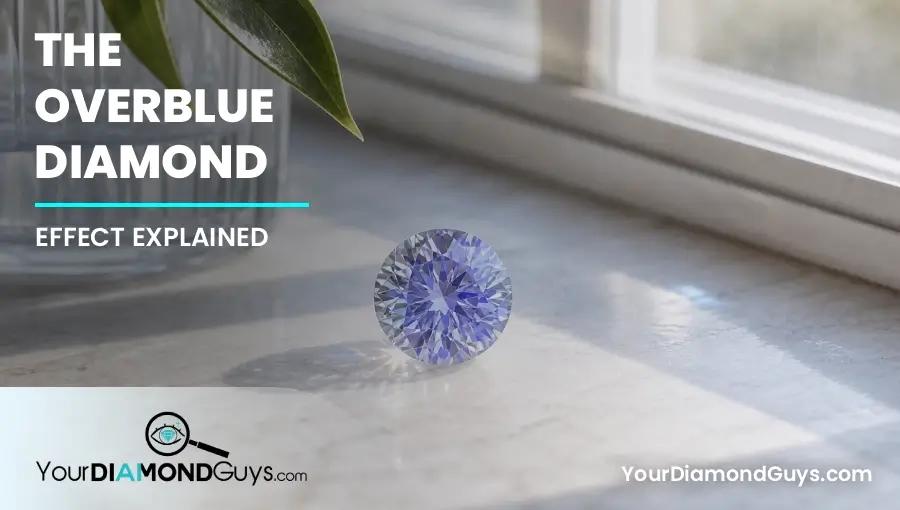
Separate a normal blue reaction from blue that takes over the outdoor view.
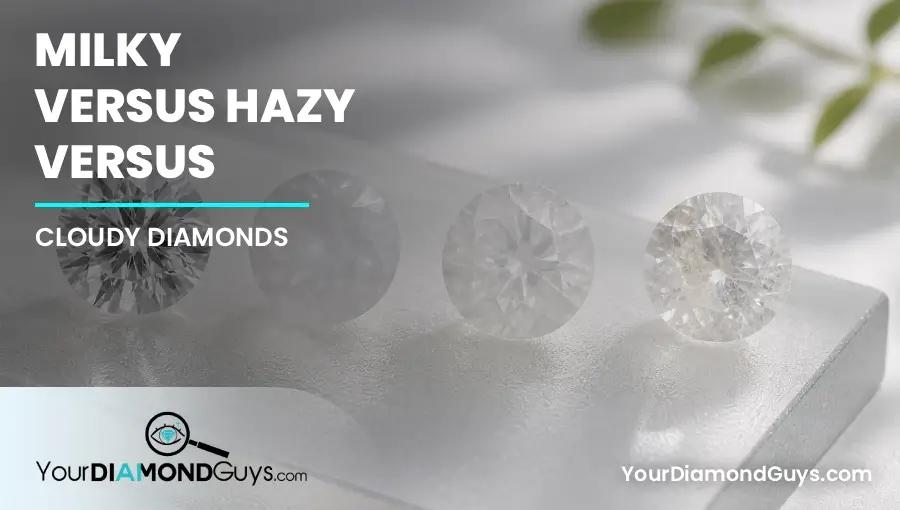
Name milky, hazy, cloudy, oily, and sleepy looks correctly before blaming fluorescence.
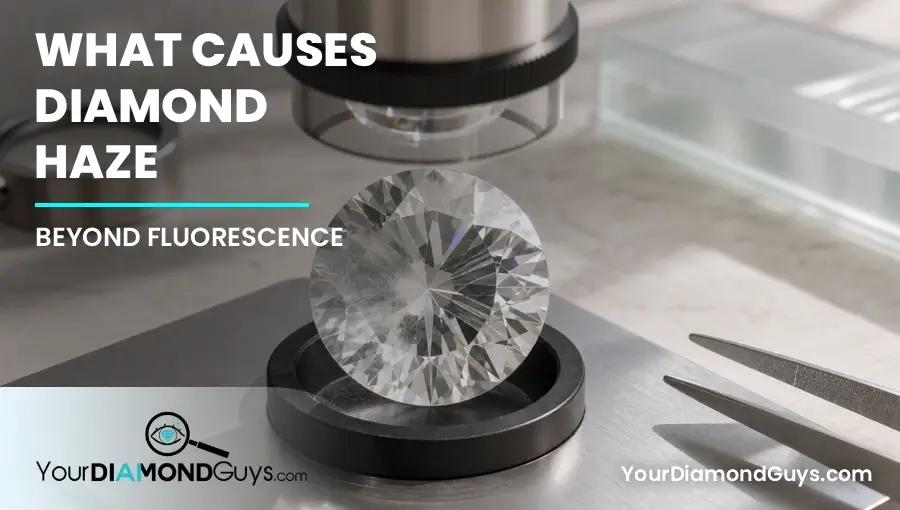
Trace softness to clouds, graining, strain, surface film, weak cut, or bad lighting.
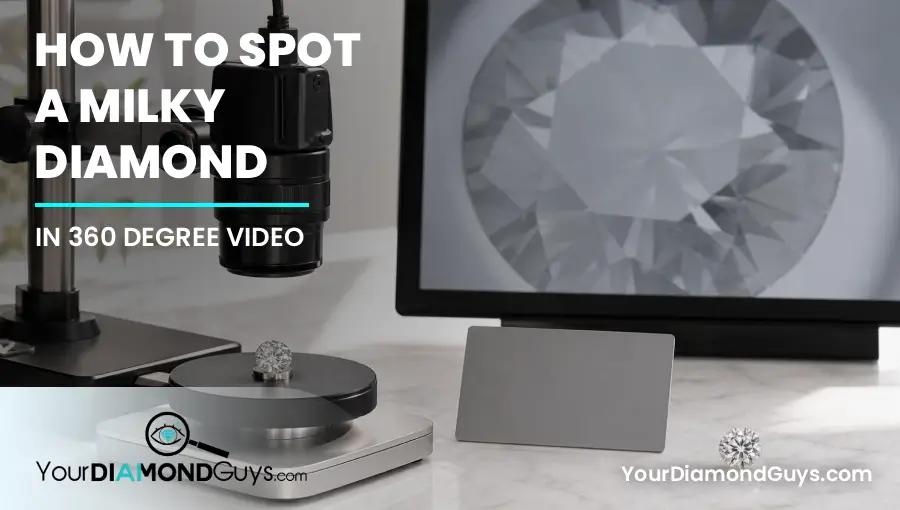
Use soft facet edges, low contrast, and foggy zones to screen a 360 degree listing video.
Read GIA comments, clarity characteristics, plots, and listing gaps as prompts for proof.
Compare GIA and IGI wording without pretending the labels are perfectly interchangeable.
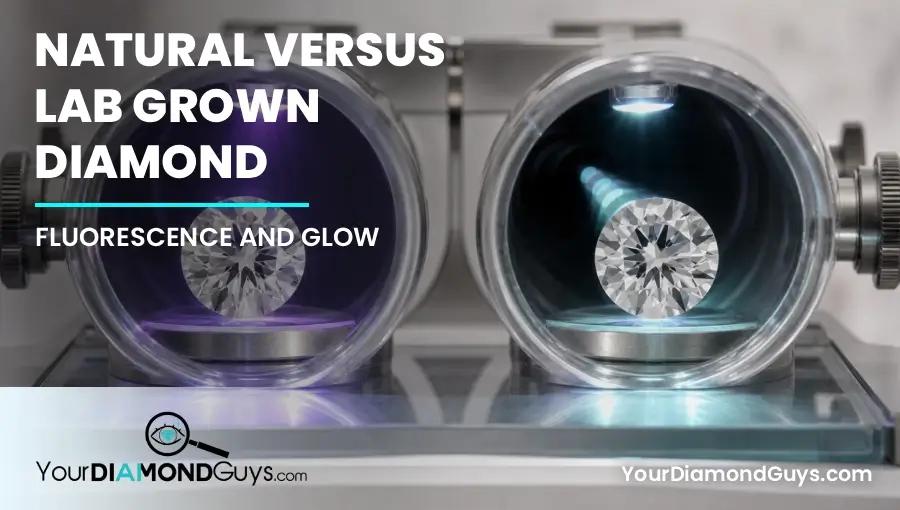
Understand fluorescence and phosphorescence in natural, CVD, and HPHT stones.
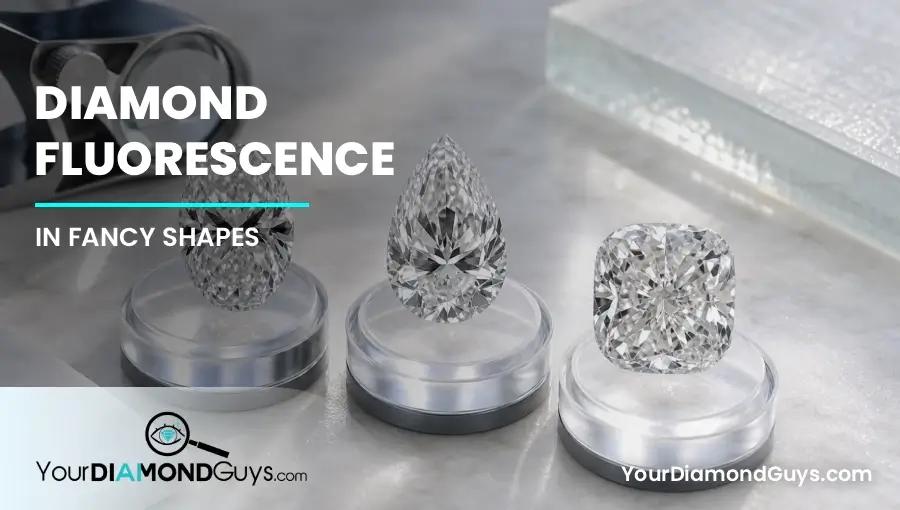
Adjust the test for bow ties, crushed areas, large tables, and uneven fancy shape patterns.
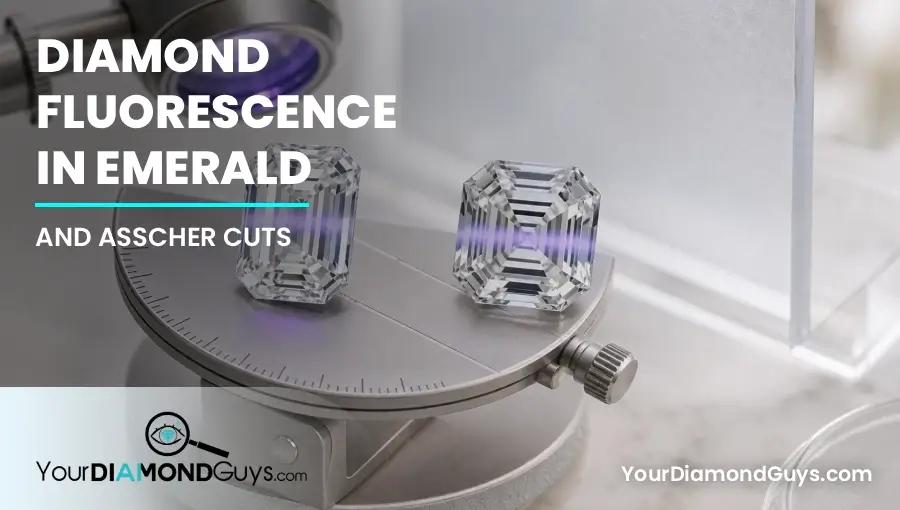
Inspect emerald and Asscher cuts at the angles that expose haze and weak transparency.
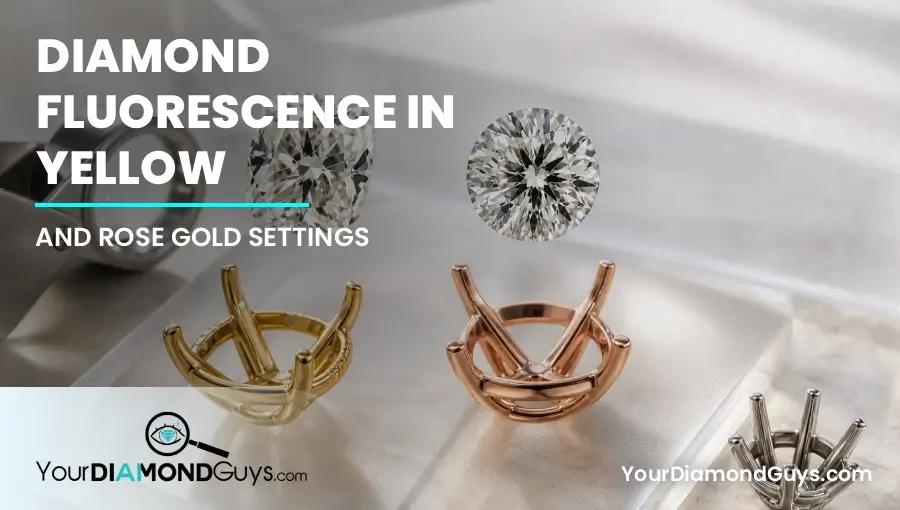
See when yellow or rose gold dominates warmth and when the diamond still needs its own test.
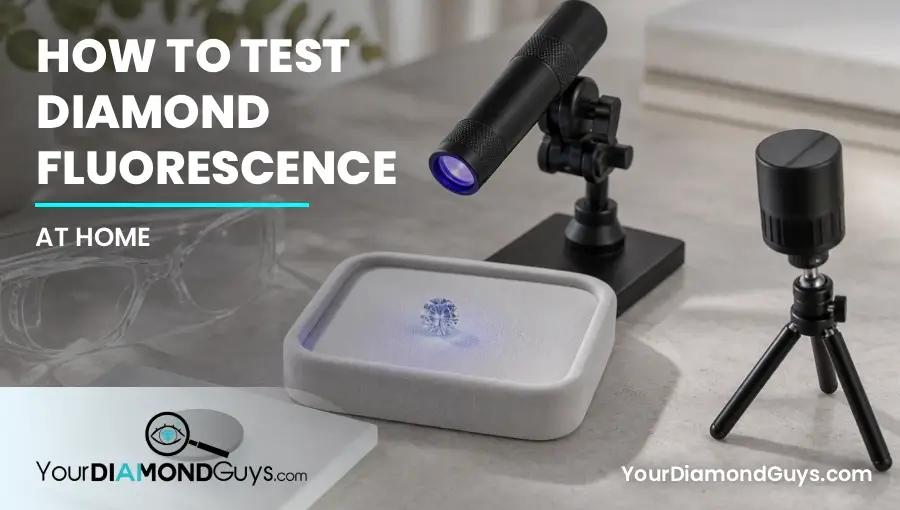
Run a safe 365 nanometer UV reaction test and understand exactly what it cannot prove.
Copy the evidence request for report details, indoor video, daylight video, UV, and return terms.
Replace blanket beliefs about value, origin, haze, and quality with actual buyer rules.
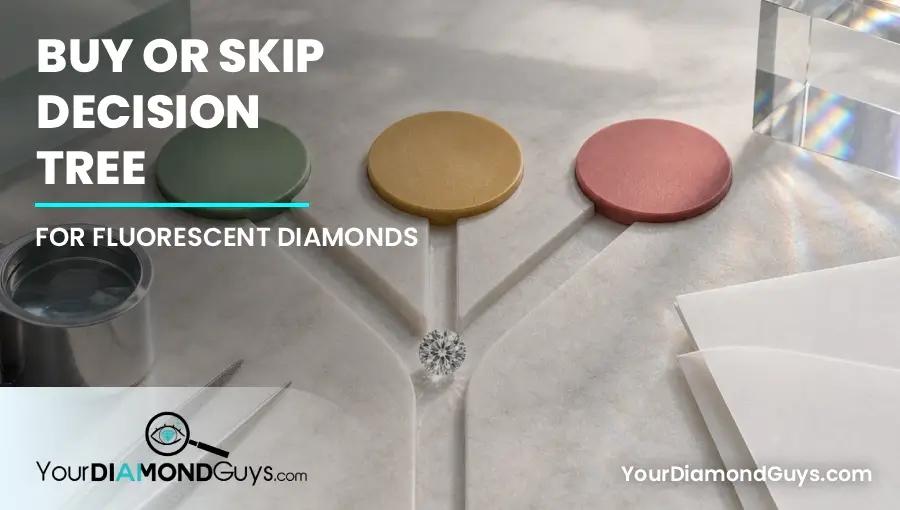
Turn report, intensity, color, shape, transparency, proof, price, and returns into buy, inspect, or skip.
A fluorescent diamond passes when the report, baseline transparency, daylight behavior, shape, setting, price, and return terms all agree.
The stone stays crisp, the color looks balanced, the evidence is complete, the price is fair, and the return terms are real.
The diamond looks promising, but a daylight view, report detail, transparency comparison, or return term is still missing.
The stone looks hazy, oily, oddly blue, flat, poorly documented, overpriced, or difficult to return.
Say one GIA graded J color round diamond has Medium blue fluorescence. It stays crisp under neutral indoor light, looks a touch cooler in open shade, and never develops a blue veil in direct sun. That can be a smart buy if the cut, clarity, price, and return terms also work.
Now take a GIA graded F color emerald cut with Very Strong blue fluorescence, broad cloudy areas, soft step edges in ordinary light, and no continuous daylight video. The label alone does not condemn it. The missing proof and weak baseline transparency do. I would inspect it in person or skip it.
Affiliate disclosure: Some retailer links are affiliate links. If you buy through one, Your Diamond Guys may earn a commission at no extra cost to you.
Use retailer sites as comparison tools, not automatic recommendations. I would compare like for like natural diamonds on Blue Nile and Ritani, then judge the GIA report, real video, transparency, lighting proof, price, and return terms before the fluorescence label gets a vote.
Use the diamond color guides for body color, the diamond clarity guides for inclusions and report detail, the diamond cut quality guides for contrast and light return, and the diamond shape guides for shape specific performance. Fluorescence never replaces those checks.
Questions? Reach out directly for a free consultation, or drop them in the Diamond Buyers Academy community — Rob and Josh answer personally.
Send Rob or me the report, listing, video, and price. We will look at fluorescence, transparency, color, shape, proof quality, and return terms, then tell you whether the actual stone earns a buy.
*Some links on our site may earn us a small commission at NO EXTRA cost to you, helping us keep our content free*