YOURDIAMONDGUYS SIMPLIFIED BUYERS CHECKLIST
SIMPLIFIED BUYERS CHECKLIST
Diamond Buying Guide
Once you have found that special someone in your life, the traditional next step is engagement! Generations have experienced the thrill and excitement involved in both the giving and receiving of a diamond ring to signify the commitment to a future together. Below, we will outline what we believe are the most important aspects of the selection process. Most of us that have been in the diamond market have been exposed to the 4C’s, this however, is just the beginning of the process.  exists to help you navigate through, what appears to be a very simple process on its face yet remains quite complex.
1. KNOW YOUR BUDGET
Have a comfortable/manageable budget. Understanding the 4Cs does not get you there ... .YOU must arrive at this based on your own comfort level and not based on some antiquated marketing campaign(i.e. X amount of months salary). Keep in mind, that quality diamonds are expensive! HAVE A BUDGET IN MIND BEFORE YOU BEGIN YOUR SEARCH. Companies like James Allen and Whiteflash among others have slider scales like these for you to input your designed budget.
The average diamond ring purchase in 2022 was approximately $6000!
2. KNOW THE DIAMOND SHAPE DESIRED
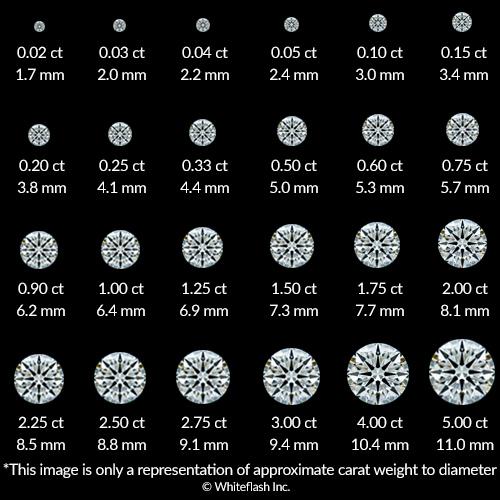
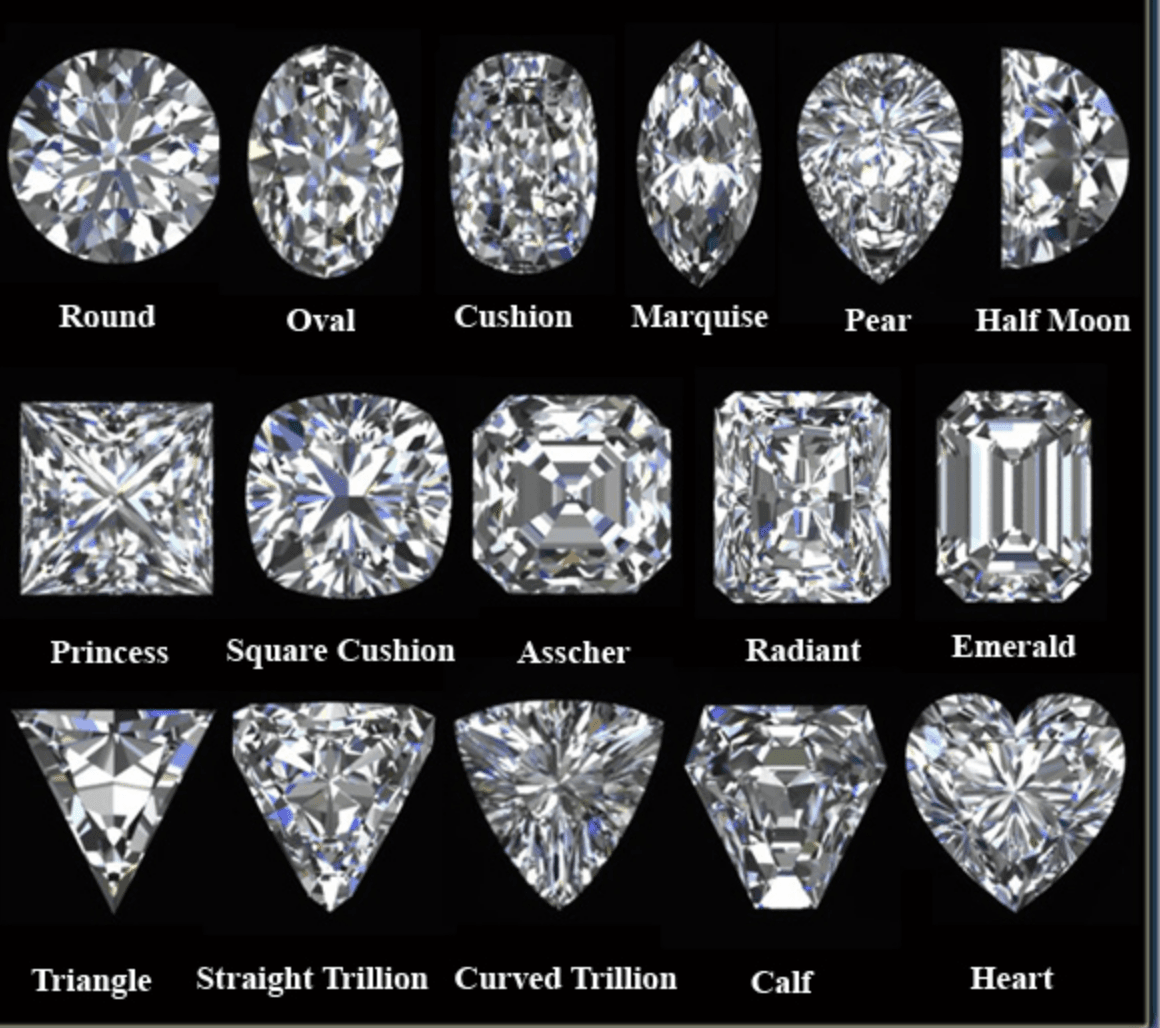
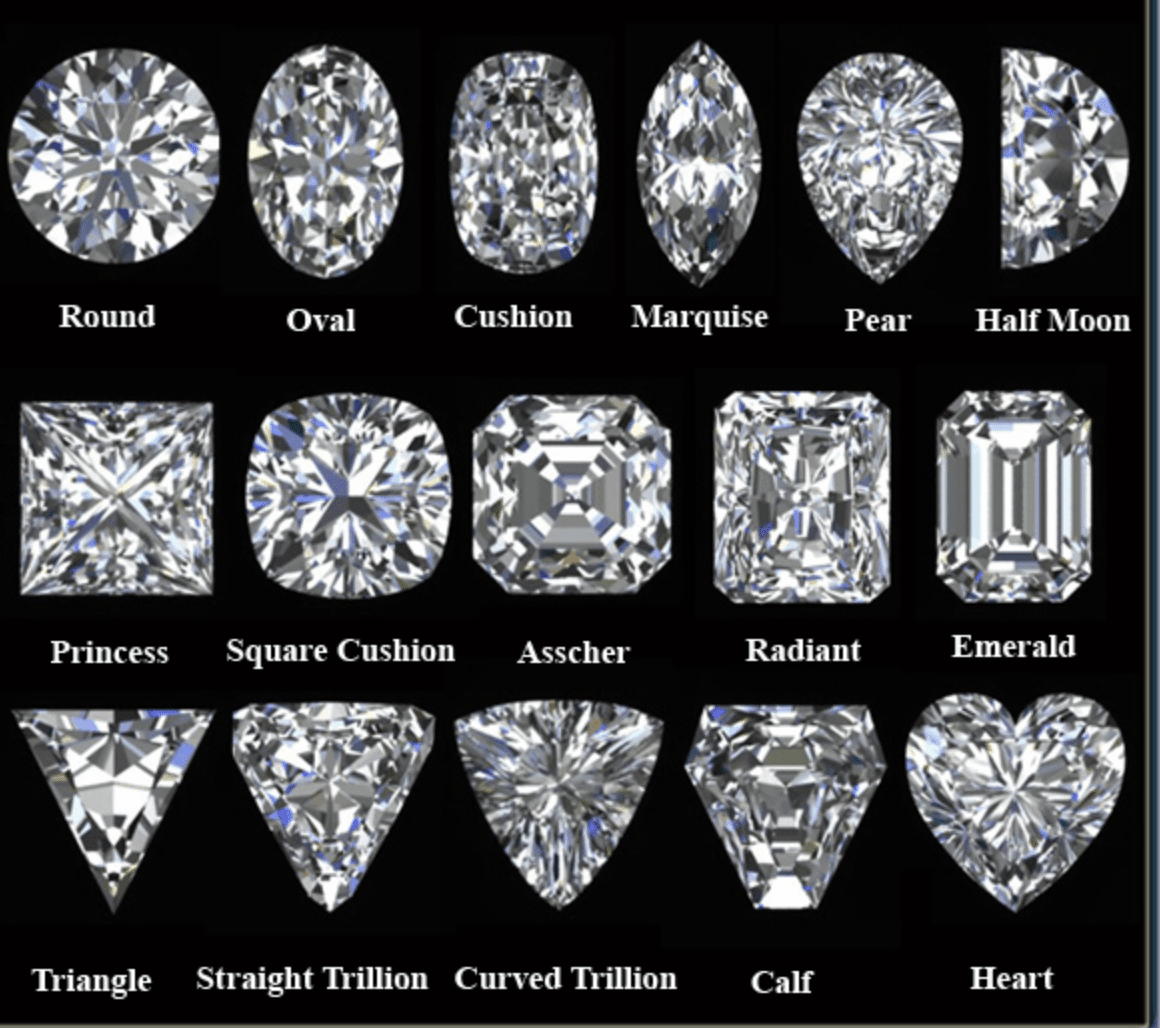
Round diamonds remain the most popular while Oval shapes have been very strong the past several years Know or familiarize yourself with the various SHAPES OF DIAMONDS that may appeal to your future spouse. SHAPE = round brilliant cut/emerald cut/asscher cut/oval/marquise/cushion/pear shape/radiant cut/princess cut etc. ALL the SHAPES are very different and you should have an idea of what you will be looking for, or the search process may become overwhelming. We believe to simplify your search, you should choose between 2 shapes (ie choice between a round vs cushion or oval vs radiant etc).
3. CAVEAT EMPTOR
Purchase from a trusted source ONLY!
4. KNOW WHERE YOU CAN COMPROMISE
Take the time to learn what concessions can be made THAT WILL NOT BE VISUALLY IMPACTFUL when choosing a diamond and will allow you to maximize the use of your dollars. An example would be just ONE DROP IN COLOR, WHICH IS NOT VISIBLE TO THE NAKED EYE, MAY SAVE YOU AS MUCH AS 10% - 15%.
5. KNOW ALL DIAMOND GRADING REPORTS
ARE NOT EQUAL. Diamond grading is subjective. Understanding which diamond grading laboratory reports are most respected and consistent will help mitigate negative experiences when making your purchase. Click to read our complete explanation of "diamond grading laboratories".
6. KEY TO SYMBOLS on a grading report is CRITICAL.
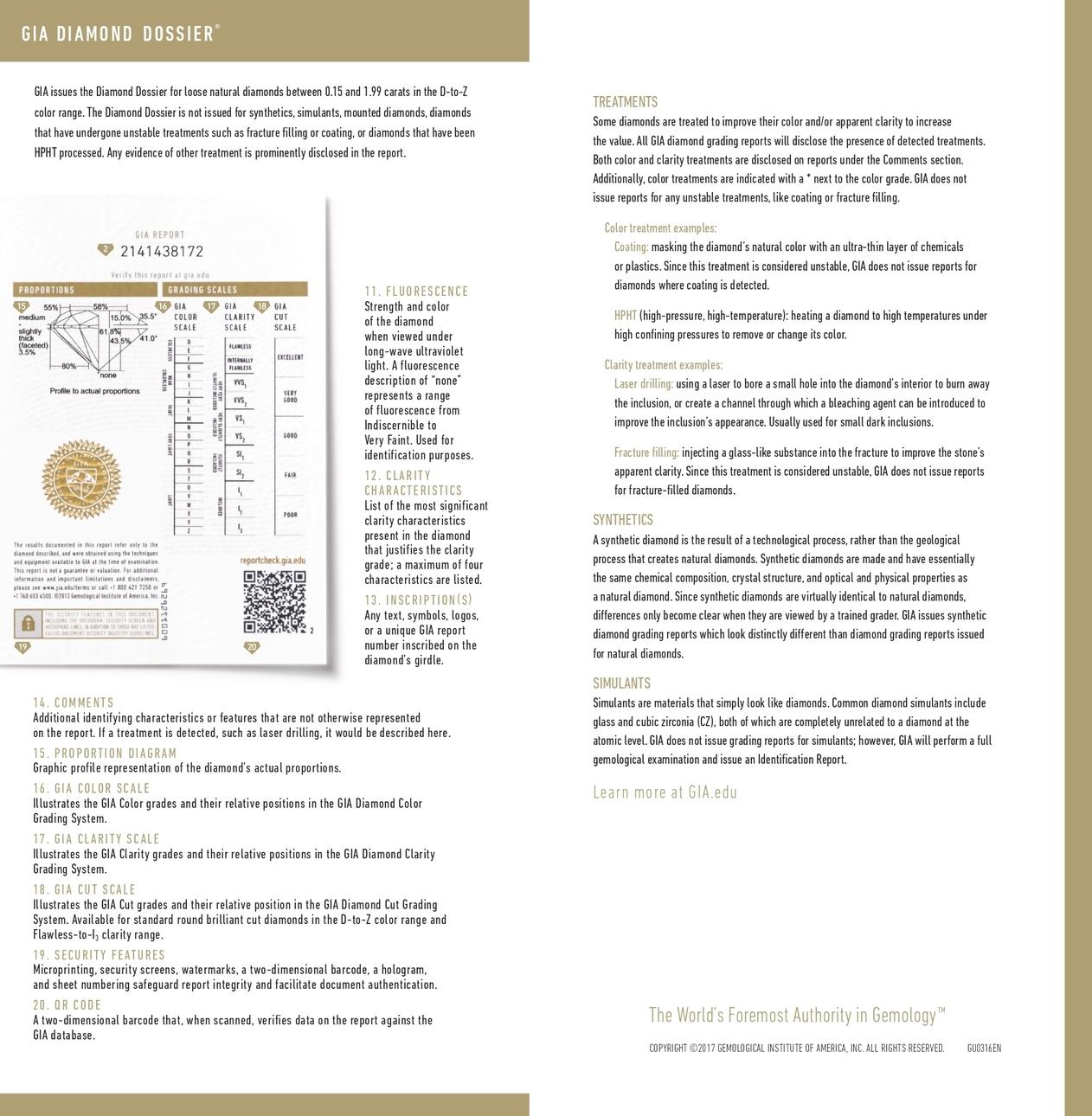
Understanding these will again help mitigate any negative surprises. Common are IndentedNaturals, Chip, Laser Drill Hole, Feather, Twinning Wisp, Cavity, Etched Channel, Bruise, etc.
7. SEE THE ACTUAL DIAMOND.

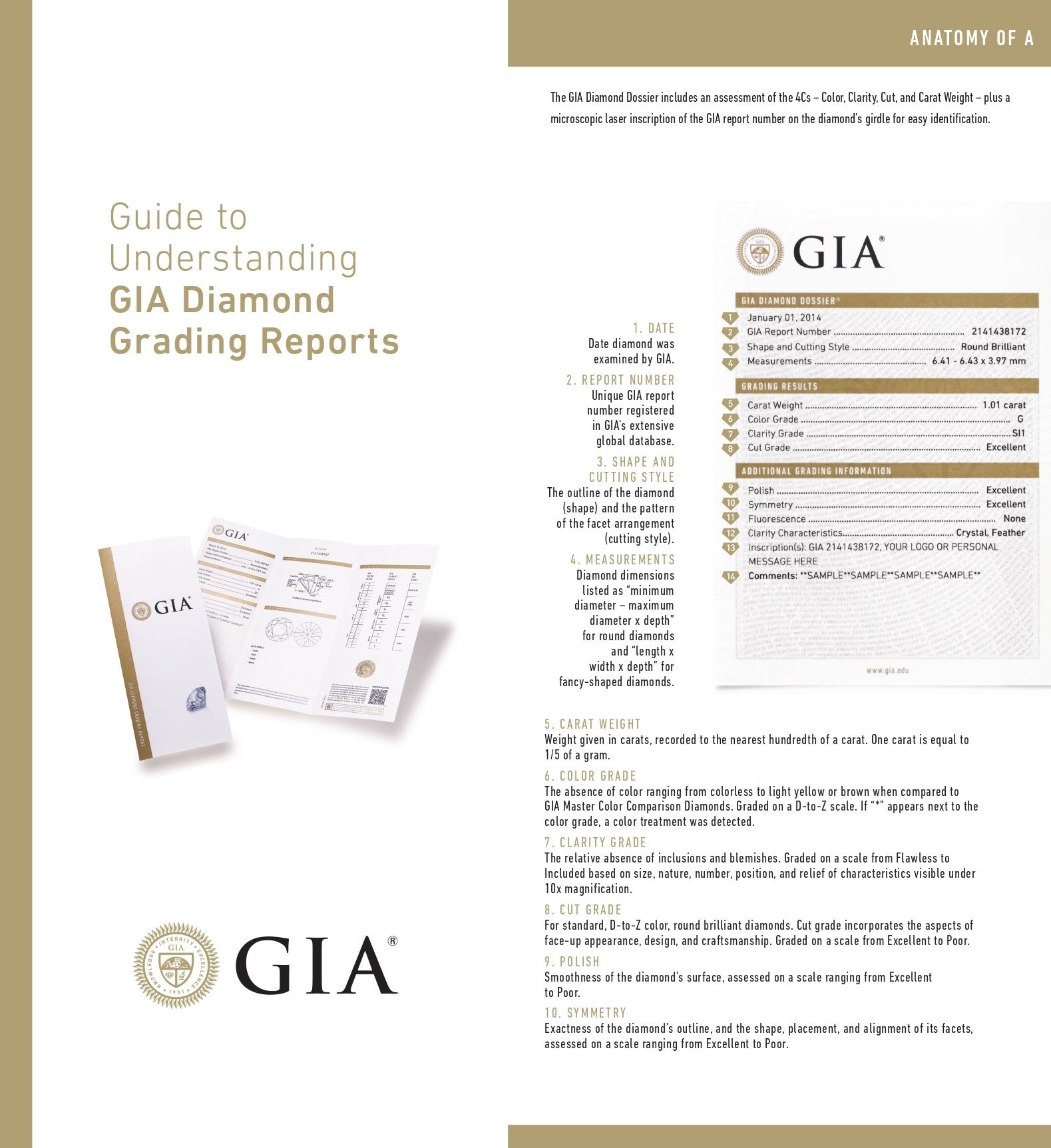
8. KNOW HOW TO INTERPRET A GRADING REPORT.
Knowing the information provided in the report will directly impact the value of the diamond, and understanding MEASUREMENTS, COLOR, CLARITY, CARAT WEIGHT, KEYS TO SYMBOLS, etc. will allow you to compare one diamond against another.
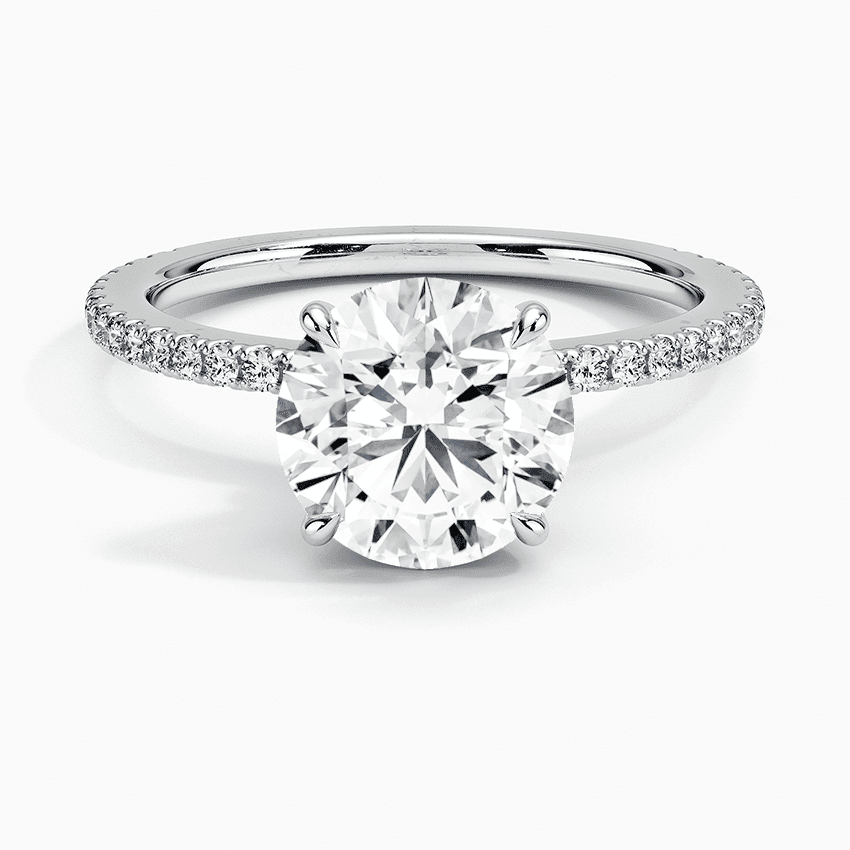
9. The SETTING/MOUNTING should be the LAST of your concerns when selecting a diamond.
Through many decades of experience, we can safely say that it is much rare for one to change out their original diamond as it carries tremendous meaning. The changing of the setting/mounting may occur multiple times throughout one's lifetime as fashion and styles change. Emphasis on the diamond should be paramount and is the most costly part of an engagement ring purchase.
10. THERE IS NO MAGIC!
Diamonds do trade similarly to standard commodities. If the price is too good to be true, it likely is! Diamonds with the same size, color, clarity, cut, and measurements on a grading report should all trade within a few percentage points of one another UNLESS there are ISSUES!can identify and explain all to you so that you may navigate the process.
*Some links on our site may earn us a small commission at NO EXTRA cost to you, helping us keep our content free*