Matching Pairs: MM Tolerance for Earrings and Side Stones
By Rob Cornfield, Co-Founder of YourDiamondGuys.com. 30+ years in the global diamond trade. Specialist in diamond cut and light performance.
Here is the matching rule, two diamonds do not need identical carat weight, but they do need to look like they belong together.
Matching is visual. Carat is only part of it. For earrings and side stones, millimeters, color, brightness, outline, and table appearance matter more than tiny weight differences.
For natural diamonds, I start with GIA because the report gives you the carat weight, measurements, and first facts worth checking before you compare stones.
When we match pairs in the trade, we put the stones next to each other. The eye catches mismatch faster than a spreadsheet does.
How This Fits Your Buying Decision
This is the matching layer inside the diamond carat size and finger coverage guide. It helps pairs look intentional by matching millimeters, brightness, and appearance.
What Needs To Match
The strongest pairs match in diameter or length and width, color appearance, clarity appearance, cut style, brightness, and outline.
Exact carat match is nice, but visual match wins.
Practical MM Tolerances
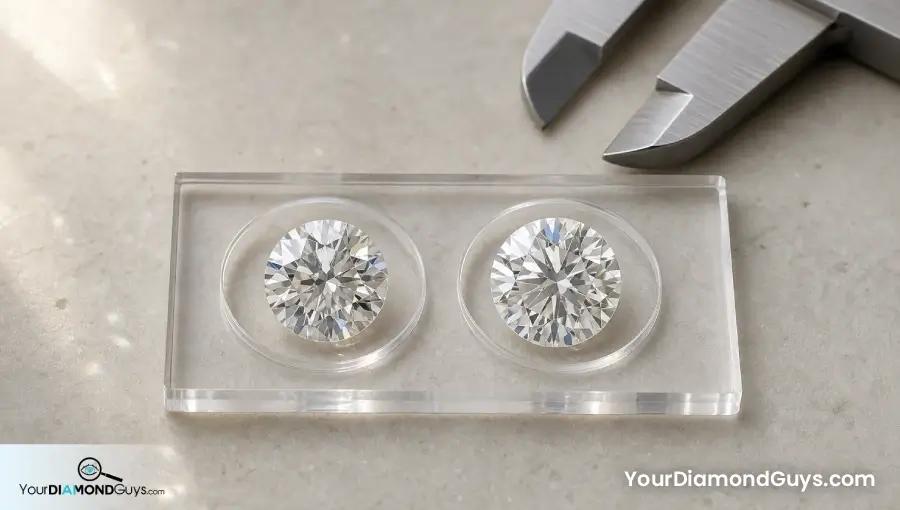
Tolerance depends on size and use. The larger the diamonds, the easier it is to notice mismatch.
| Use | Helpful MM Tolerance | What To Watch |
|---|---|---|
| Small studs | About 0.05 to 0.10 mm | Brightness and color still matter |
| 1 carat total studs | About 0.05 to 0.10 mm | Diameter should feel matched |
| 2 carat total studs | About 0.03 to 0.08 mm | Mismatch shows faster |
| Side stones | Tighter visual match | Shape outline and height matter |
| Three stone ring | Very tight visual match | Pair must frame center evenly |
Color Match Matters
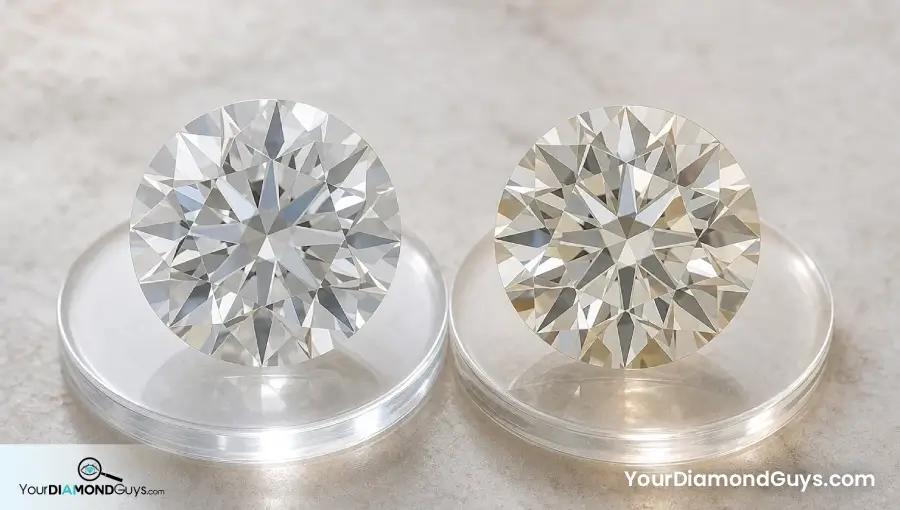
A small color difference can show when two diamonds sit next to each other. It shows even faster in earrings when hair and skin tone add contrast.
You do not always need the same color grade, but the pair should face up together.
Cut And Brightness Matter More Than Buyers Think
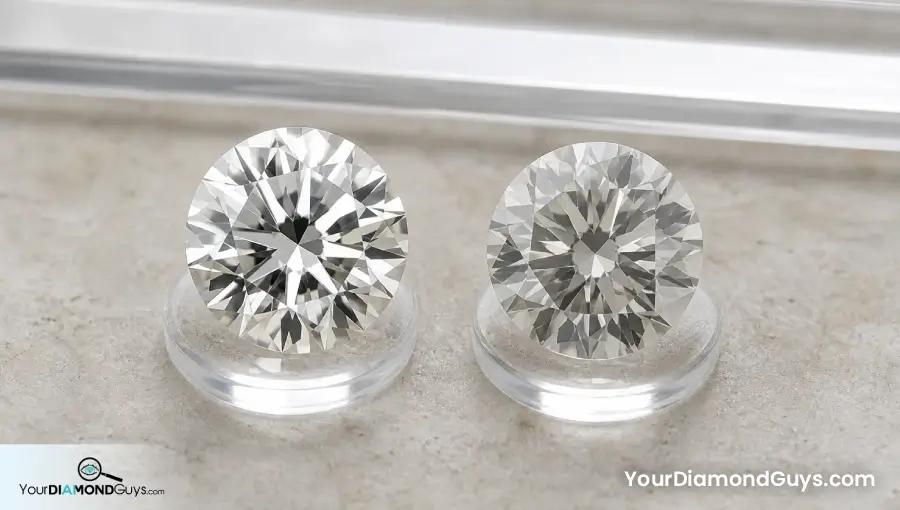
Two diamonds can match in size and still look wrong if one is brighter. That happens with studs all the time.
For round pairs, I want both stones to show similar life. For fancy shapes, I also want the outline and facet style to match.
Side Stones Need Height Awareness
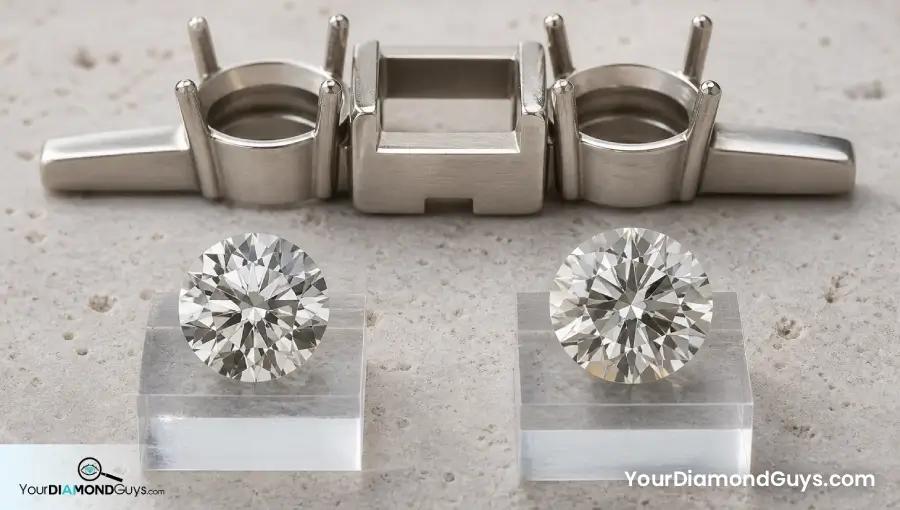
Side stones do not only need matching top size. They need compatible height so the setting sits cleanly.
A side stone pair with uneven depth can create a ring that looks off even when the top measurements seem close.
The Pair Matching Shortlist
I would shortlist pairs by eye match before paper match. Millimeters matter, but brightness, color appearance, outline, and facet pattern matter too. A pair with the same carat weight can still look mismatched.
For side stones, I also check depth and height because the setting has to sit evenly. For studs, I care about how the pair looks from normal distance on the ear. The pair should feel calm, not almost right.
When the stones are close but not perfect, I ask where they will sit. Earrings have distance between them, so tiny differences hide better. Side stones sit beside each other, so mismatch shows faster.
Most buyers land here from the diamond stud size guide, but the same matching logic also helps three stone rings and side stone layouts.
If the buyer is building a gift set, I also compare against the diamond pendant size guide so the necklace and earrings feel intentional together.
A Matching Pair Example
A stud pair has one diamond at 5.05 millimeters and one at 5.14 millimeters. On paper, that sounds close.
If one stone is brighter and slightly whiter, the mismatch can show more than the measurement difference.
I would rather match the visual pair than force identical carat numbers.
Matching Mistakes I Would Avoid
- Do not match by carat weight alone.
- Do not ignore diameter or length and width.
- Do not pair one bright stone with one sleepy stone.
- Do not ignore color appearance.
- Do not forget height when matching side stones.
Questions To Ask About Matching
- What are the exact measurements of both stones?
- Do they face up the same size?
- Do they match in color appearance?
- Do they match in brightness and facet style?
- Will the setting show any height difference?
Where To Compare Matched Pairs
Use live listings as comparison tools, not automatic recommendations. I would compare similar stones on Blue Nile and Ritani, then judge each diamond by the measurements, color, clarity appearance, brightness, pair match, and price. If the stone does not earn it, the link does not save it.
My Buyer Recommendation
Match the look before the paperwork.
A pair should feel like a pair from normal viewing distance. If the eye catches the mismatch, the numbers do not matter.
Reach out to Rob or me at YourDiamondGuys.com, or book your free consultation. We will look at the actual stone with you. No sales pitch.
Diamond Size vs. Carat Weight: What Really Matters?
Questions? Reach out directly for a free consultation, or drop them in the Diamond Buyers Academy community — Rob and Josh answer personally.
Questions Buyers Ask Us
More Diamond Size Guides Worth Reading
These are the guides I would read next if you are still comparing size, shape, setting style, or value.
Diamond Stud Size Guide
Compare total carat weight, per-ear size, and matched-pair comfort.
MM to Carat Size Chart
Check normal measurement ranges by shape before judging one listing.
Carat vs Millimeters
Separate the weight on paper from the size your eye actually sees.
Depth Percentage and Size
Use depth as the quick check when carat weight looks better than spread.
Diamond Pendant Size Guide
Pick pendant size by viewing distance, chain proportion, and setting stability.
*Some links on our site may earn us a small commission at NO EXTRA cost to you, helping us keep our content free*