Depth Percentage and Why It Shrinks Your Diamond

By Rob Cornfield, Co-Founder of YourDiamondGuys.com. 30+ years in the global diamond trade. Specialist in diamond cut and light performance.
Here is the depth problem, depth percentage can make a diamond weigh more while looking smaller from the top.
Depth is not just a number on the report. It tells you where the weight sits. When too much weight sits below the face, you pay for carat weight the eye does not enjoy.
For natural diamonds, I start with GIA because the report gives you the carat weight, measurements, and first facts worth checking before you compare stones.
Cutters know exactly where price jumps happen. Leaving a little extra depth can protect a carat mark, but the buyer can end up with a smaller looking stone.
How This Fits Your Buying Decision
This is the depth check inside the diamond carat size and finger coverage guide. Use it before you pay for weight that does not show from the top.
What Depth Percentage Means
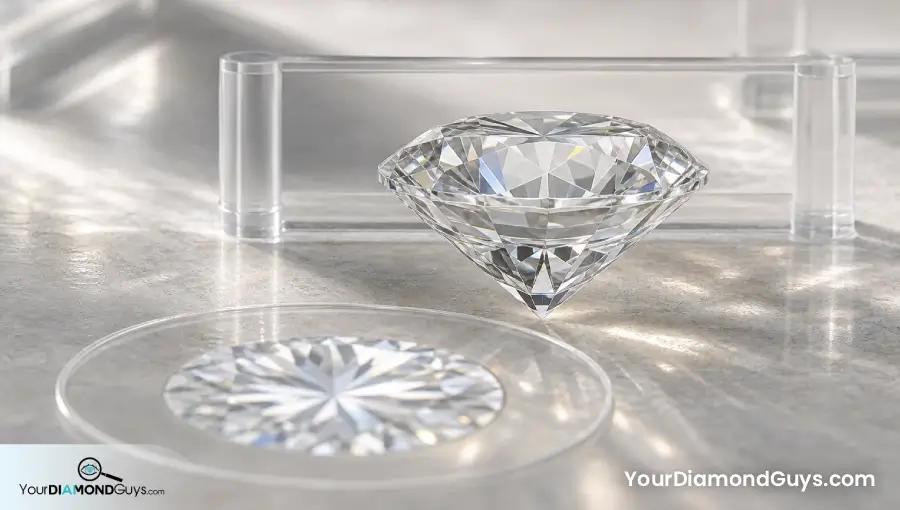
Depth percentage compares the diamond's height to its face up width. In simple terms, it tells you how tall the diamond is compared with what you see from the top.
Healthy depth supports brightness and structure. Too much depth can shrink spread. Too little depth can create leakage or a watery look.
Round Diamond Depth Targets
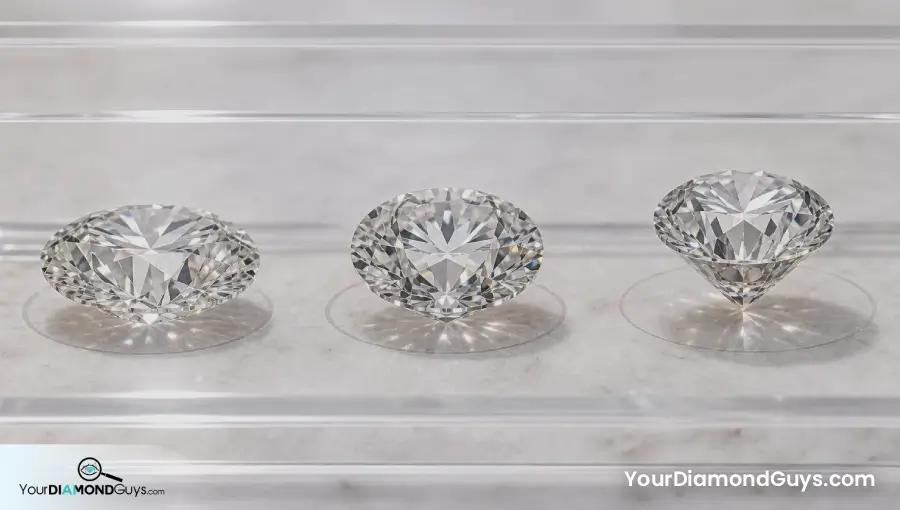
For natural round brilliant diamonds, I like the search to start around 60 to 62.4 percent depth when the table, crown, pavilion, polish, symmetry, and video all support the stone.
| Depth Range | What It Often Means | Buyer Move |
|---|---|---|
| Under 60 percent | Can be shallow | Check leakage and watery areas |
| 60 to 62.4 percent | Clean search zone | Still verify video and angles |
| 62.5 to 63.5 percent | Can work, but watch spread | Demand stronger proof |
| Over 63.5 percent | Often faces up small | Compare price and diameter hard |
Fancy Shapes Need Shape Specific Judgment
Fancy shapes do not share one perfect depth number. Oval, cushion, emerald, radiant, pear, and marquise all distribute weight differently.
Still, the question stays the same: does this depth support beauty, or does it hide weight?
Depth And Light Return Work Together
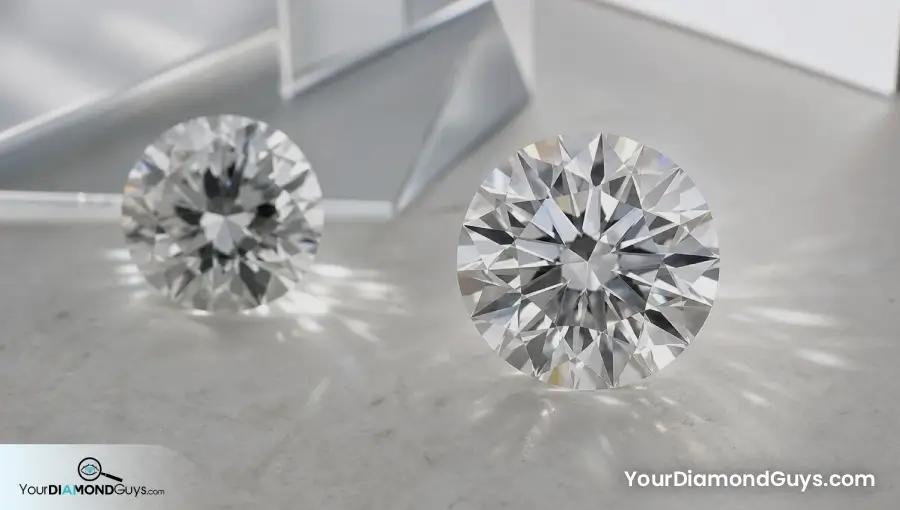
Depth is not only about size. It changes how light moves through the diamond.
A deep stone can lose face up size. A shallow stone can lose contrast. That is why I never judge depth without the video.
How Depth Connects To Hidden Weight
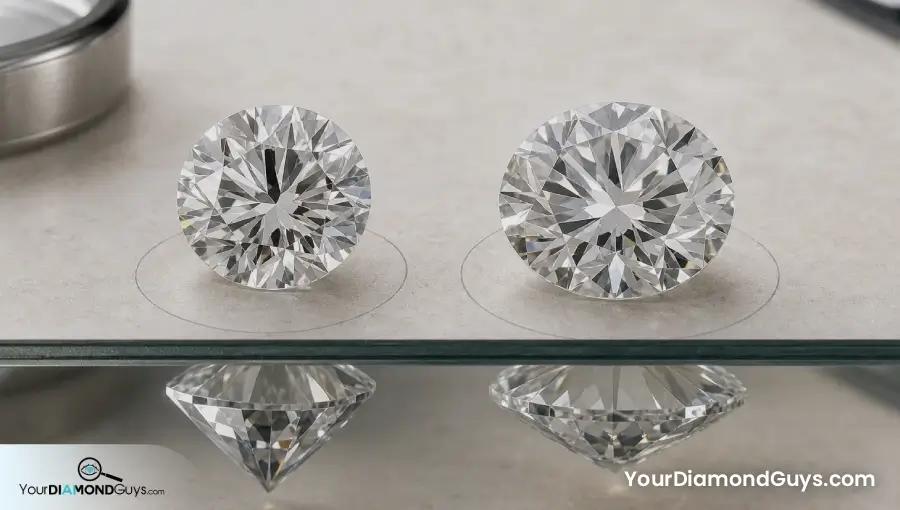
Depth is one of the fastest ways to spot hidden weight. If a diamond weighs more but measures small, depth is the first suspect.
Then I check girdle, pavilion, and shape outline.
The Depth Shortlist
I would not reject a diamond because one depth number looks imperfect, but I would never ignore depth when spread looks small. Depth is the clue that tells you where to investigate next. Diameter, girdle, pavilion, and video all need to line up.
For rounds, the clean search starts around 60 to 62.4 percent depth with the right table, crown, pavilion, polish, and symmetry. Fancy shapes need more judgment, but the buyer question stays simple. Is the depth helping beauty, or is it just protecting weight?
A Depth Example That Costs Money
A 1.00 carat round at 6.18 millimeters with high depth can look smaller than a 0.94 carat round at 6.30 millimeters.
The heavier diamond wins the filter. The better spread diamond wins the hand.
That is why depth belongs in the buying decision before price.
Depth Mistakes I Would Avoid
- Do not buy a deep stone because the carat number feels safer.
- Do not treat depth alone as a full cut grade.
- Do not ignore diameter loss on round diamonds.
- Do not assume shallow spread means better value.
- Do not compare depth across fancy shapes without shape context.
Questions To Ask About Depth
- What is the depth percentage?
- Does the diamond measure normally for its carat weight?
- Is the girdle holding extra weight?
- Does the video show leakage, darkness, or a watery center?
- Would a smaller carat with better spread look larger?
Where To Compare Depth Proof
Use proof heavy sellers as comparison libraries, not automatic recommendations. I would compare cut evidence on Whiteflash and Brian Gavin Diamonds, then decide whether the actual diamond earns the premium. The proof matters more than the name.
My Buyer Recommendation
Use depth as an early filter, not the final decision.
The right diamond has depth that supports spread and light. If depth only protects carat weight, I would keep looking.
Reach out to Rob or me at YourDiamondGuys.com, or book your free consultation. We will look at the actual stone with you. No sales pitch.
A Client Bought This Lab Diamond Then Sent It To Us. The Depth Was All Wrong
Questions? Reach out directly for a free consultation, or drop them in the Diamond Buyers Academy community — Rob and Josh answer personally.
Questions Buyers Ask Us
More Diamond Size Guides Worth Reading
These are the guides I would read next if you are still comparing size, shape, setting style, or value.
Face Up Spread and Hidden Weight
Find deep stones that carry weight where the eye cannot use it.
Carat vs Millimeters
Separate the weight on paper from the size your eye actually sees.
MM to Carat Size Chart
Check normal measurement ranges by shape before judging one listing.
Round vs Oval Size
Compare classic brightness against longer finger coverage and bow tie risk.
Magic Sizes and Price Jumps
Compare milestone weights against just-under stones before paying for the number.
*Some links on our site may earn us a small commission at NO EXTRA cost to you, helping us keep our content free*