Cloud Inclusions and Hazy Diamonds
By Rob Cornfield, Co-Founder of YourDiamondGuys.com. 30+ years in the global diamond trade. Specialist in diamond cut and light performance.
Cloud inclusions become a problem when they reduce transparency. If the diamond looks milky, hazy, or sleepy, I do not care how nice the clarity grade sounds.
A cloud is not automatically bad. The danger is density. Enough tiny pinpoints can turn a bright stone into a soft looking stone.
The GIA comments matter here because cloud warnings can sit outside the plot. Then the video has to prove the diamond stays crisp.
Trade desk rule: haze is not a clarity bargain. It is a beauty problem wearing a clarity label.
Clouds Matter When They Steal Transparency
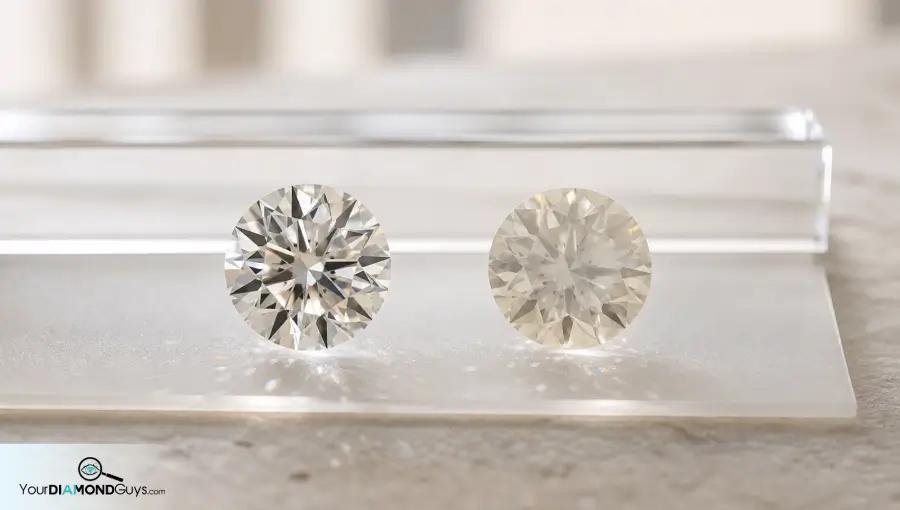
A small cloud can sit quietly. A dense cloud can make the diamond look like someone breathed on the stone. I judge the face up life first, not the grade name.
Compare clouds against brilliance, fire, and scintillation because a hazy diamond loses the crisp sparkle buyers want.
Report Comments That Worry Me
| Comment Or Signal | Why It Matters | Buyer Move |
|---|---|---|
| Clouds not shown | Can mean widespread tiny features | Check transparency hard |
| Additional clouds present | Plot can look cleaner than the stone | Use video and normal lighting |
| Cloud grade setter | Cloud drove the clarity grade | Compare against crisp stone |
| Milky or sleepy video | Beauty loss already visible | Move on |
The report can sound calm while the diamond looks tired. The video gets the final word.
How To Spot Haze In Video
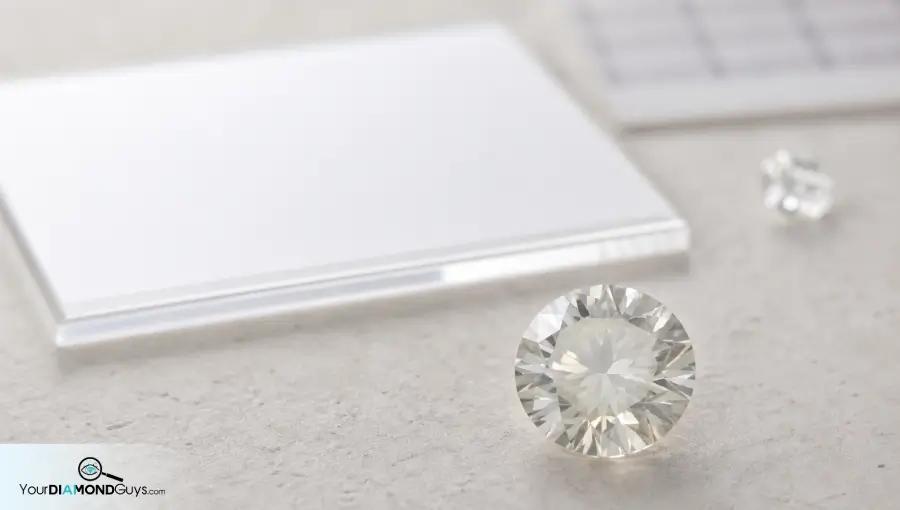
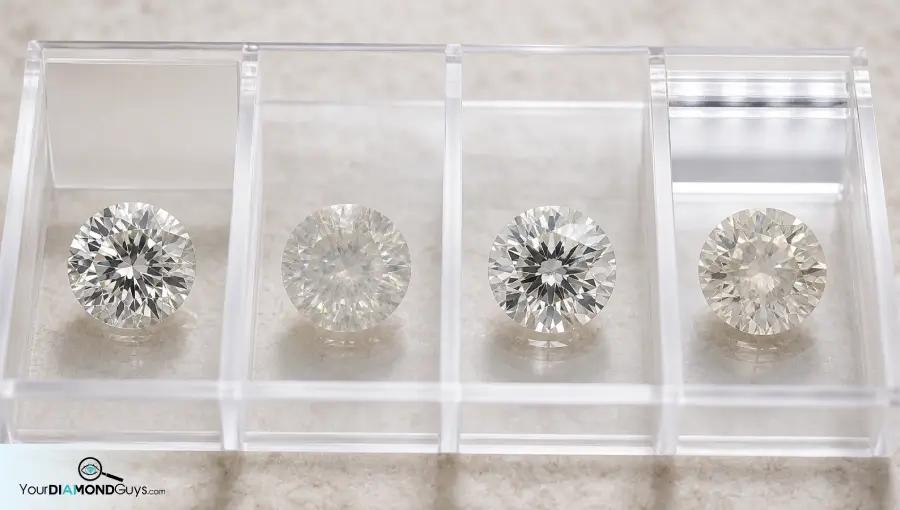
Look at the edge of facet reflections. A crisp diamond has sharp on and off contrast. A hazy diamond looks soft, gray, or slow to return light.
Use the same lighting when comparing stones. Different lighting can hide a weak cloud problem, so read the diamond lighting guide if the videos do not match.
Cloud Pass And Reject Rules
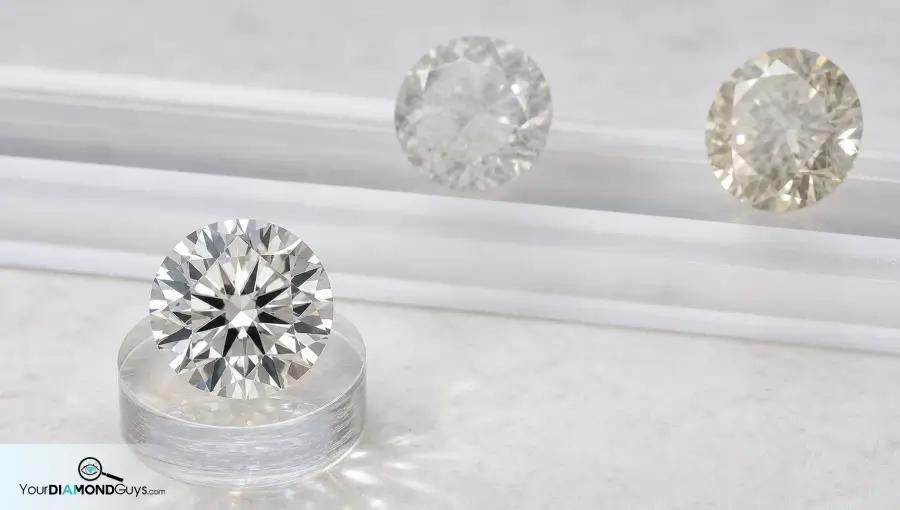
- Pass when the cloud is minor and the diamond stays crisp beside similar stones.
- Slow down when the comments mention additional clouds or clouds not shown.
- Reject when the diamond looks milky, sleepy, gray, or soft.
- Do not trade transparency for a cleaner looking report.
Haze Links To Check Next
- Use graining and strain lines when the report mentions graining.
- Use twinning wisps when the pattern looks smoky or ribboned.
- Use busy inclusions when many small marks compete with brightness.
Compare Crispness Under Normal Light
Use videos from Brilliant Earth and Blue Nile to compare cloudy candidates beside crisp stones of the same shape and size. Do not compare a hazy diamond in soft lighting to a bright one in harsh lighting.
If the hazy stone only wins on price, it is not winning.
Questions To Ask About Clouds And Haze
- Do the comments say clouds are not shown or additional clouds are present?
- Does the diamond look crisp beside a similar stone?
- Does the haze show in normal lighting or only one video angle?
- Is the cloud setting the grade, or is it just a minor feature?
Why Your Diamond Looks "Dull" (The Cloud Effect Explained)
Questions? Reach out directly for a free consultation, or drop them in the Diamond Buyers Academy community — Rob and Josh answer personally.
Cloud Inclusion FAQs
*Some links on our site may earn us a small commission at NO EXTRA cost to you, helping us keep our content free*