Twinning Wisps in Diamonds: When to Avoid Them
By Josh Allen, Co-Founder of YourDiamondGuys.com. Fifth generation diamantaire with 30+ years in the global diamond trade. Former supplier to Tiffany & Co., Cartier, and Harry Winston.
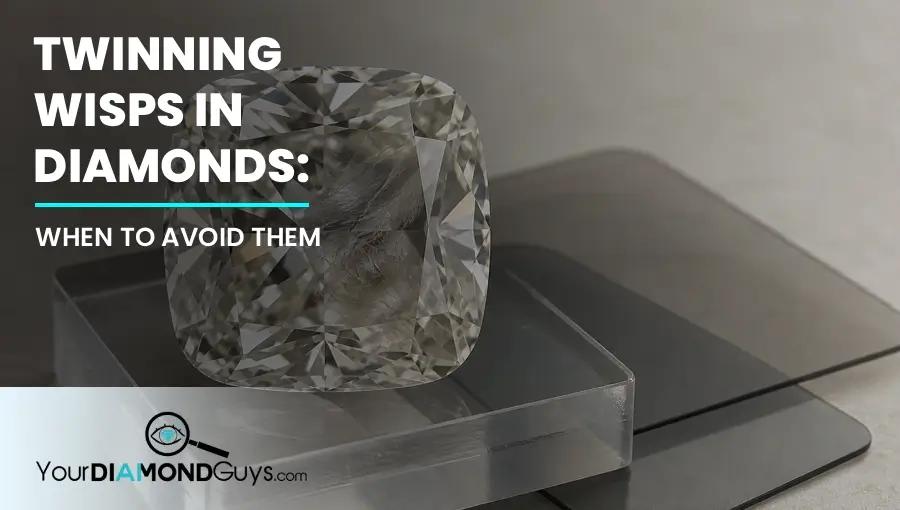
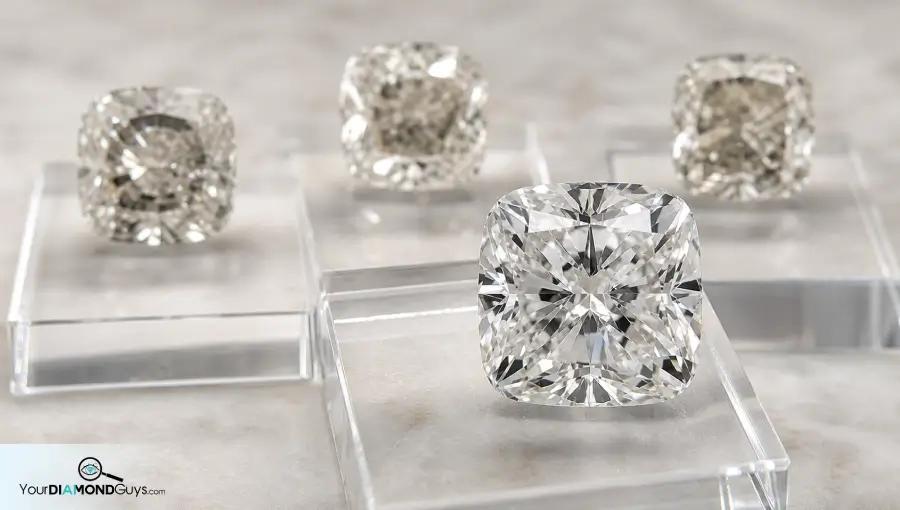
Twinning wisps can be harmless, but grouped wisps can make a diamond look smoky, busy, or less crisp. The clarity grade alone does not settle it.
Wisps are pattern inclusions. You judge them by spread, density, contrast, and transparency, not by the name alone.
The GIA comments and plot can flag the wisps. The video tells you if the stone still looks bright.
Trade desk rule: a wisp that stays invisible is a discount. A wisp pattern that makes the diamond sleepy is a pass.
Wisps Are A Pattern, Not One Dot
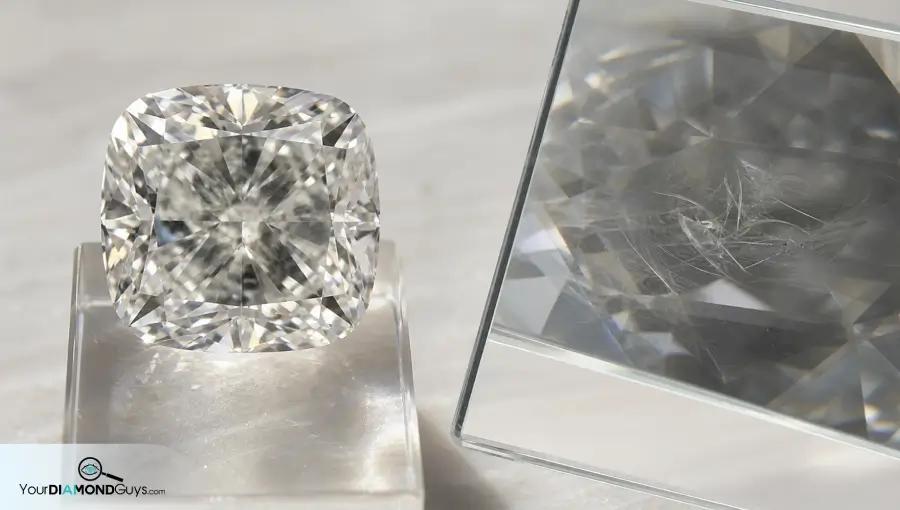
Twinning wisps can include tiny crystals, pinpoints, and growth related features in a ribbon like pattern. One small wisp can be quiet. A spread out pattern can change the look.
Use the clarity plot to see how broad the pattern is before you judge it from the grade.
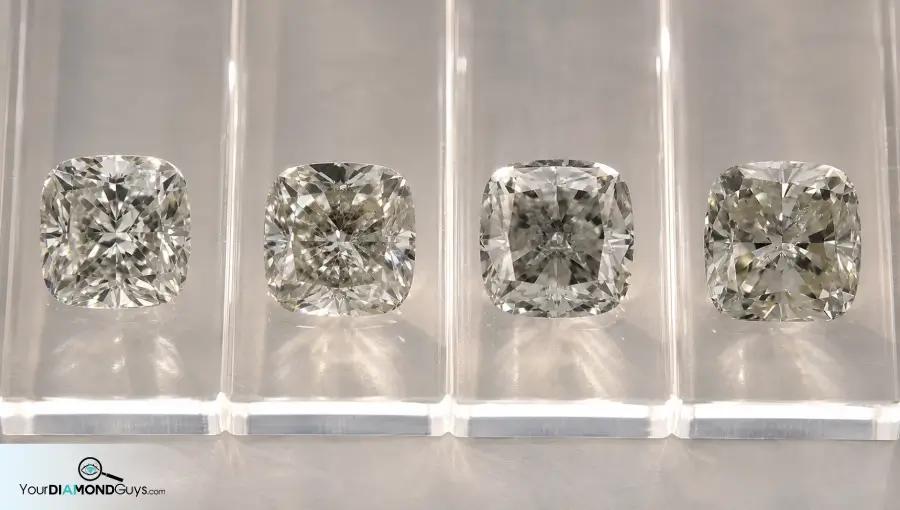
When Wisps Make The Diamond Smoky
| Wisp Pattern | What It Means | Buyer Move |
|---|---|---|
| Tiny isolated wisp | Often harmless | Check face up view |
| Grouped wisps | Busy look risk | Read busy inclusions |
| Wisps plus clouds | Transparency risk | Check haze |
| Visible ribbon under table | Distraction risk | Move on or demand value |
The trade does not reject every wisp. We reject the ones that turn the diamond from crisp to smoky.
Clustered Wisps Versus Isolated Wisps
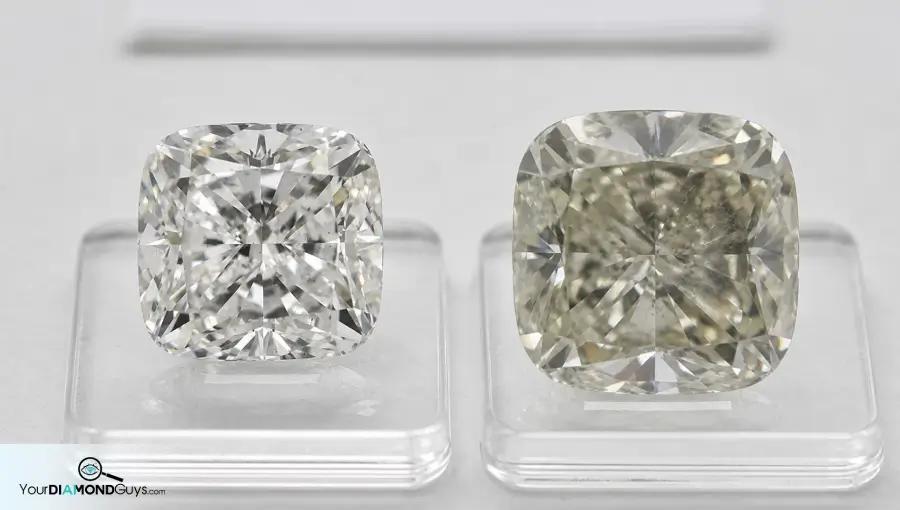
Isolated wisps often hide inside brilliance. Clustered wisps can stack with other inclusions and create a gray or busy area.
That is why location still matters. A wisp near the center gets less forgiveness than one near the edge.
Twinning Wisp Pass And Reject Rules
- Pass when the wisp is faint and the diamond stays crisp.
- Slow down when wisps appear with clouds or graining comments.
- Reject when the face up view looks smoky or busy.
- Compare against another diamond of the same grade before accepting the tradeoff.
Wisp Links To Check Next
- Use cloud inclusions for transparency checks.
- Use graining and strain lines when the issue looks like growth structure.
- Use eye clean standards to finish the buyer test.
Compare Transparency Before Price
Use videos on Brilliant Earth and Blue Nile to compare a wisp diamond against a cleaner looking stone at the same grade. Watch for crisp facet edges, not just a clean table snapshot.
If the wisp stone looks softer in every angle, the discount needs to be strong or the diamond goes back.
Questions To Ask About Twinning Wisps
- Are the wisps isolated or spread through the stone?
- Does the pattern look smoky, ribboned, or busy in video?
- Do clouds or graining appear with the wisps?
- Does the diamond stay crisp compared with another stone of the same grade?
5 Mistakes That Can Run A Perfect Proposal
Questions? Reach out directly for a free consultation, or drop them in the Diamond Buyers Academy community — Rob and Josh answer personally.
Twinning Wisp FAQs
*Some links on our site may earn us a small commission at NO EXTRA cost to you, helping us keep our content free*