Internal Graining and Strain Lines in Diamonds
By Rob Cornfield, Co-Founder of YourDiamondGuys.com. 30+ years in the global diamond trade. Specialist in diamond cut and light performance.
Internal graining matters when it changes transparency or crispness. If the diamond looks strained, hazy, or sleepy, I do not let the clarity grade talk me into it.
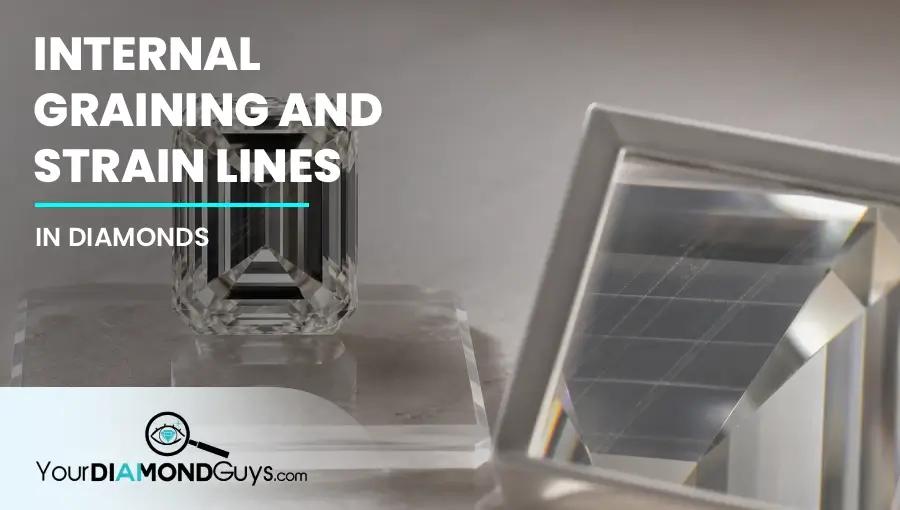
Graining and strain lines are growth structure issues, not normal little dots. Sometimes they stay harmless. Sometimes they make the stone look tired.
The GIA comments can mention graining even when the plot looks clean. That is your cue to check the video harder.
Trade desk rule: graining is only fine when the diamond still looks crisp beside a clean comparison stone.
Graining Is A Transparency Question
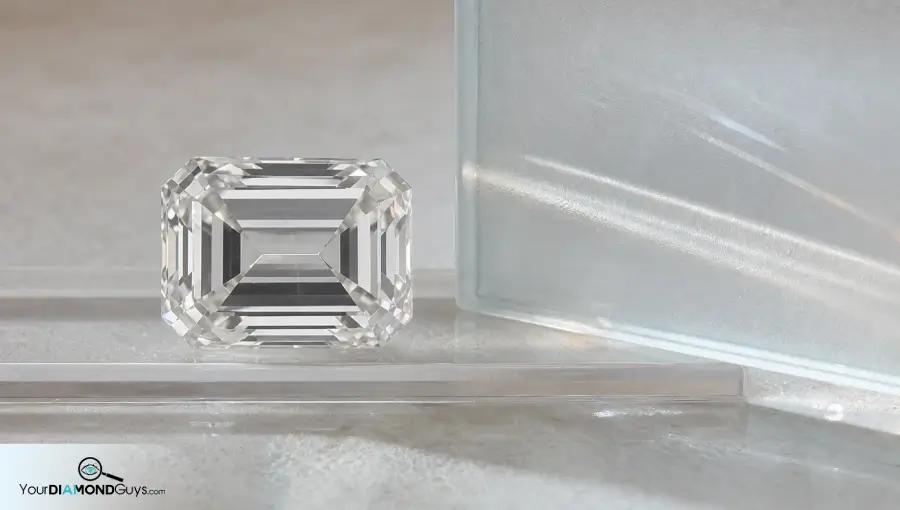
Do not judge graining only by whether you can see a line. Judge whether the whole stone looks clear, bright, and crisp.
If the diamond looks milky or sleepy, treat it like the cloud and haze problem buyers try to avoid.
Strain Lines Under Tilt
| Signal | What It Suggests | Buyer Move |
|---|---|---|
| Faint lines only at tilt | Often minor | Compare with similar stone |
| Lines visible face up | Distraction risk | Be strict |
| Graining comment plus soft video | Transparency risk | Usually move on |
| Graining plus clouds | Stacked haze risk | Reject unless price is exceptional |
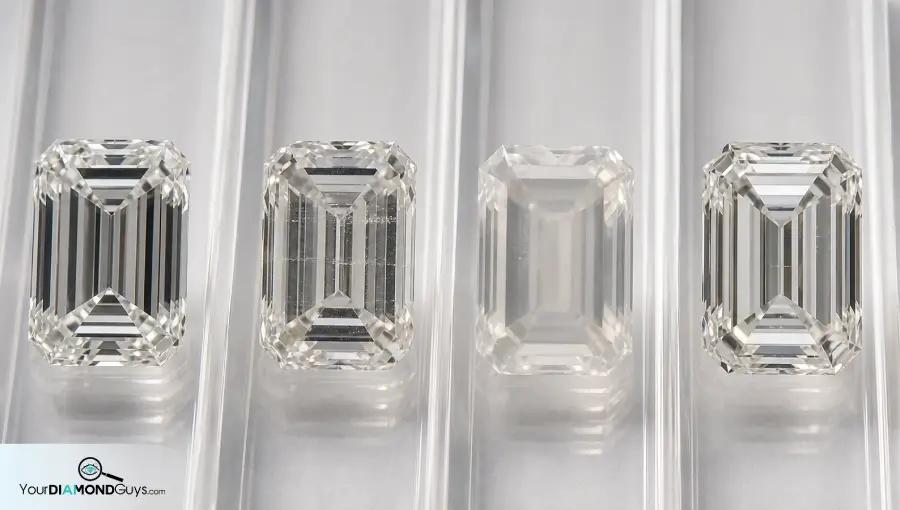
Tilt matters because strain can hide in the straight on view and show itself as the stone turns.
Report Comments And Light Performance
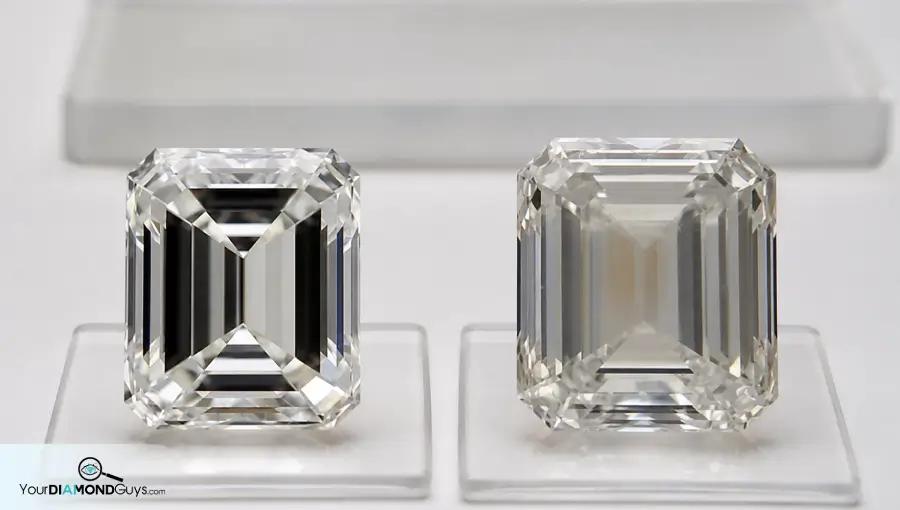
Graining can make a well cut diamond look less lively than its proportions promise. Use the cut checks from diamond cut quality and compare the actual face up brightness.
A clean looking report comment does not save a dull diamond. Your eye gets the last vote.
Graining Pass And Reject Rules
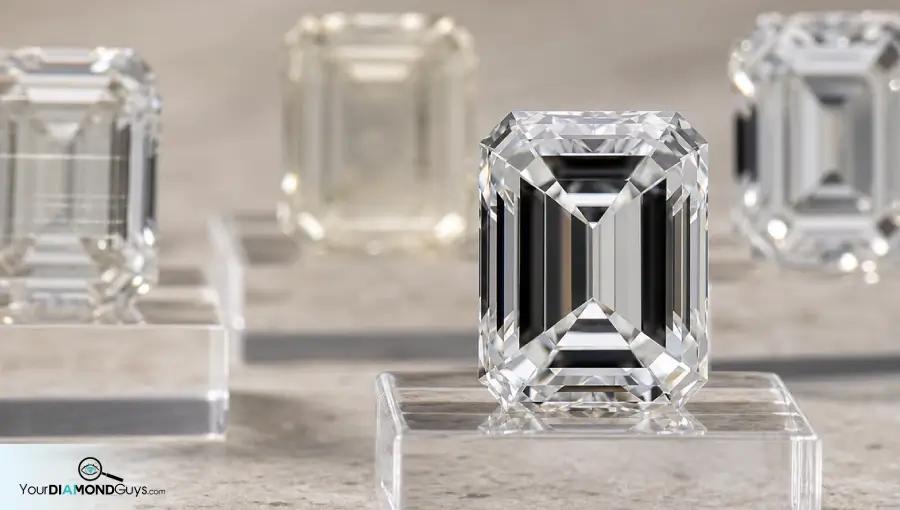
- Pass when the diamond stays crisp and the lines only appear under magnification.
- Slow down when graining appears in the comments but not on the plot.
- Reject when graining makes the stone look hazy, gray, or strained.
- Compare to a similar diamond before accepting any transparency tradeoff.
Graining Links To Check Next
- Use cloud inclusions for haze comparison.
- Use twinning wisps when the pattern looks smoky or ribboned.
- Use clarity plot reading to connect comments to video.
Compare Crispness Under The Same Light
Use videos on Brilliant Earth and Blue Nile to compare crispness, not just inclusion count. Same shape, same approximate size, same lighting, then decide.
If the grained stone looks softer every time, I would rather pay for the cleaner looking diamond.
Questions To Ask About Graining
- Is graining mentioned in the comments or visible in the video?
- Do the lines show only at tilt or face up too?
- Does the diamond look gray, strained, or less crisp?
- Does the cut look strong enough to overcome the transparency concern?
Explore the Anatomy of a Diamond!
Questions? Reach out directly for a free consultation, or drop them in the Diamond Buyers Academy community — Rob and Josh answer personally.
Graining And Strain FAQs
*Some links on our site may earn us a small commission at NO EXTRA cost to you, helping us keep our content free*