How to Read a Diamond Clarity Plot

By Rob Cornfield, Co-Founder of YourDiamondGuys.com. 30+ years in the global diamond trade. Specialist in diamond cut and light performance.
Read the clarity plot to find the grade setting inclusion, the location, and the risk. The plot does not tell you whether the diamond is pretty. It tells you where to look inside the clarity decision.
A lot of buyers stare at the symbols like they are a warning label. That is backwards. The plot is a map. The video is the field test.
I start with the GIA report because the plot and comments give the first trail. Then I check the actual diamond to see if the trail matters.
Trade desk rule: the plot tells you the suspect. The video tells you if the suspect did anything.
Find The Grade Setting Inclusion
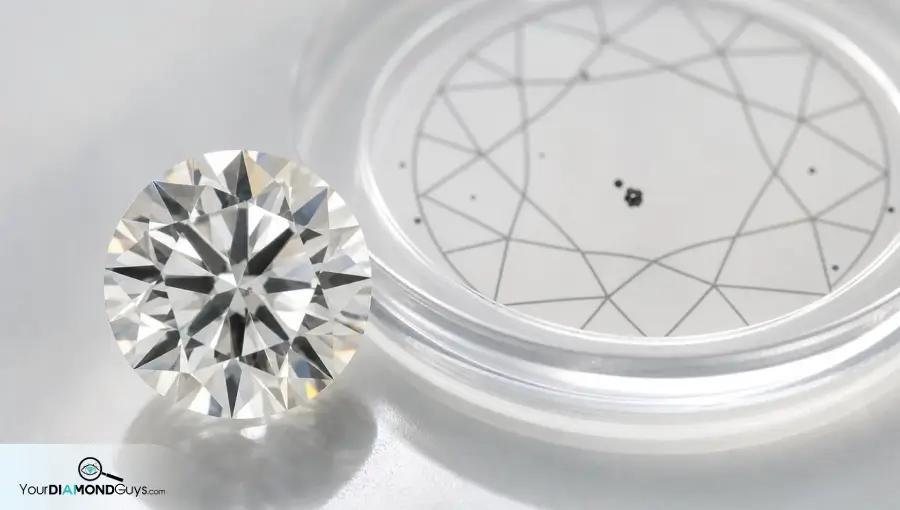
The grade setting inclusion is the mark that most influenced the clarity grade. It can be a crystal, feather, cloud, needle, cavity, knot, or another listed feature.
Start there, then use inclusion location to decide whether that mark sits in a harmless spot or a danger zone.
Plot Symbols Are A Map, Not A Verdict
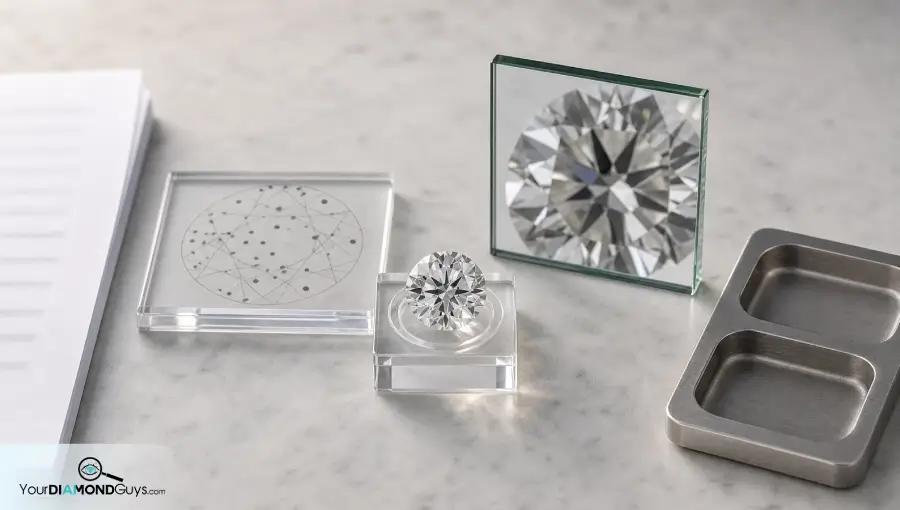
| Plot Signal | What It Means | Buyer Move |
|---|---|---|
| One small edge crystal | Often manageable | Check face up video |
| Many marks across the table | Busy look risk | Read busy inclusions |
| Feather near girdle | Durability question | Read feather risk |
| Cloud comments plus weak video | Haze risk | Check clouds and haze |
Do not reject a diamond because the plot looks busy at first glance. Reject it when the plotted issue shows up in beauty, durability, or price.
Comments Section Can Change The Decision
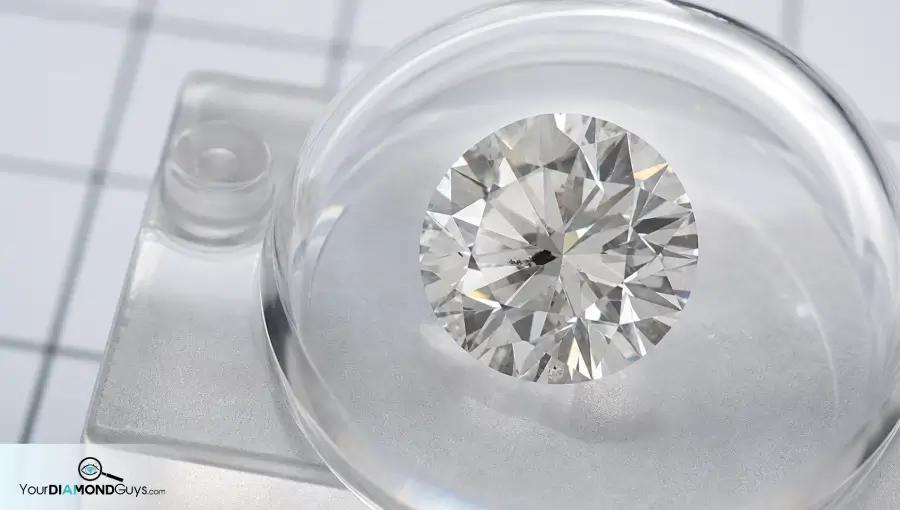
The comments section matters when it mentions clouds, internal graining, additional clouds not shown, or surface reaching features. Some comments are harmless housekeeping. Some are the real story.
When the report mentions clouds or graining but the plot looks clean, slow down and check transparency. That is where strain lines and haze can hide.
Plot Then Video, In That Order
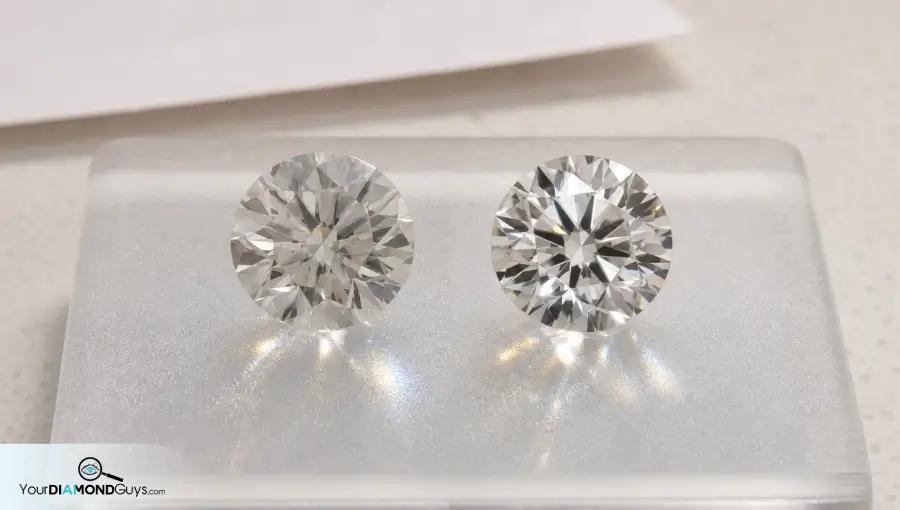
Use the plot to decide where to pause the video. If the plot shows a table crystal, pause under the table. If it shows an edge feather, rotate to the girdle and check the side view.
This order saves time. Random video scrolling makes every diamond look scary. Targeted video review tells you what matters.
Clarity Plot Reading Path
- Use crystal inclusions if the plot shows crystals.
- Use needle inclusions if thin line marks appear.
- Use twinning wisps if the plot or comments mention wisps.
- Return to diamond clarity when you need the full buyer framework.
Use Reports Before Retailer Filters
Retailer filters on Brilliant Earth and Blue Nile help you sort inventory, but they do not replace report reading. Pull the report, find the plotted issue, then watch the video around that exact spot.
If the plot and video disagree, trust the actual diamond on screen and ask for another view.
Questions To Ask When Reading The Plot
- Which plotted mark sets the clarity grade?
- Do the comments mention clouds, graining, or features not shown?
- Where should I pause the video to verify the plotted inclusion?
- Does the plot make the diamond look scarier than it is, or cleaner than it is?
How to Read the GIA "Key to Symbols" (The Hidden Clarity Trap)
Questions? Reach out directly for a free consultation, or drop them in the Diamond Buyers Academy community — Rob and Josh answer personally.
Clarity Plot FAQs
*Some links on our site may earn us a small commission at NO EXTRA cost to you, helping us keep our content free*