Naturals and Indented Naturals on the Girdle
By Josh Allen, Co-Founder of YourDiamondGuys.com. Fifth generation diamantaire with 30+ years in the global diamond trade. Former supplier to Tiffany & Co., Cartier, and Harry Winston.
Naturals are often harmless. Indented naturals need more attention because location and setting contact can change the clarity decision.
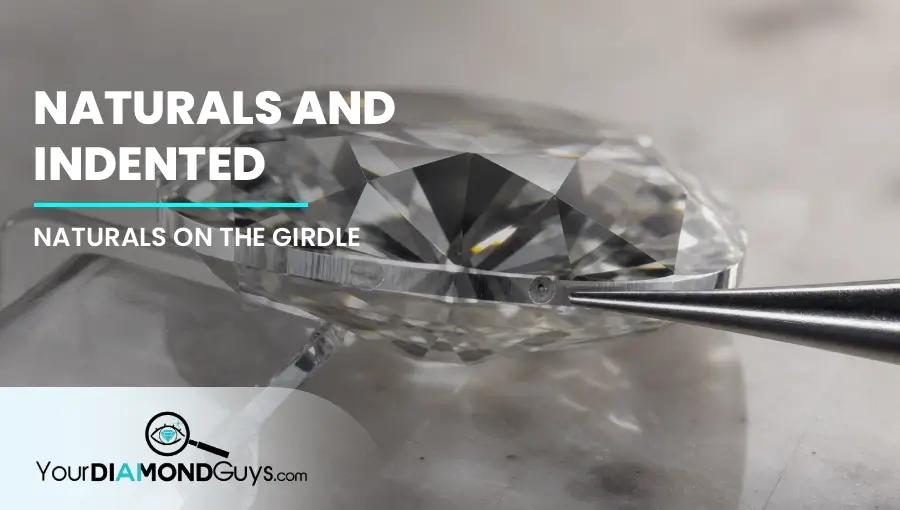
A natural is part of the original crystal skin left on the diamond. An indented natural dips into the polished outline. That difference matters.
The GIA report can name the feature, but you still need to know where it sits on the girdle and whether the setting touches it.
Trade desk rule: a tiny natural near the girdle can be fine. An indented natural in a pressure spot earns a real review.
A Natural Is Not Automatically A Problem
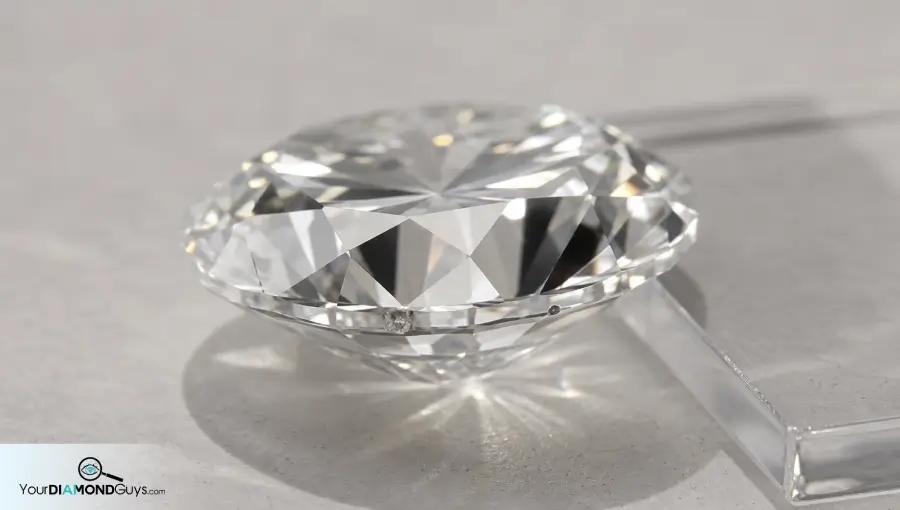
Many naturals sit at the girdle and do not affect beauty. They can even help show the cutter kept weight from the original crystal.
Do not reject one by label alone. Check location and whether it affects polish, outline, or setting.
Indented Naturals Need A Closer Look

| Feature | What It Means | Buyer Move |
|---|---|---|
| Small natural on girdle | Often harmless | Check visibility |
| Indented natural | Dips into outline | Review location |
| Indented natural near prong | Setting contact concern | Ask setter |
| Rough area affecting outline | Value and polish issue | Demand price adjustment |
Indented does not mean disaster. It means the feature enters the shape enough that I want to see it, not just read it.
Girdle Placement And Prongs

A natural near a safe prong position can hide without drama. A natural in a thin or pressured area needs more caution. Use the prong guide with the setting plan.
Ask for the clock position. A vague answer tells you the seller has not inspected it carefully enough.
Natural Pass And Reject Rules
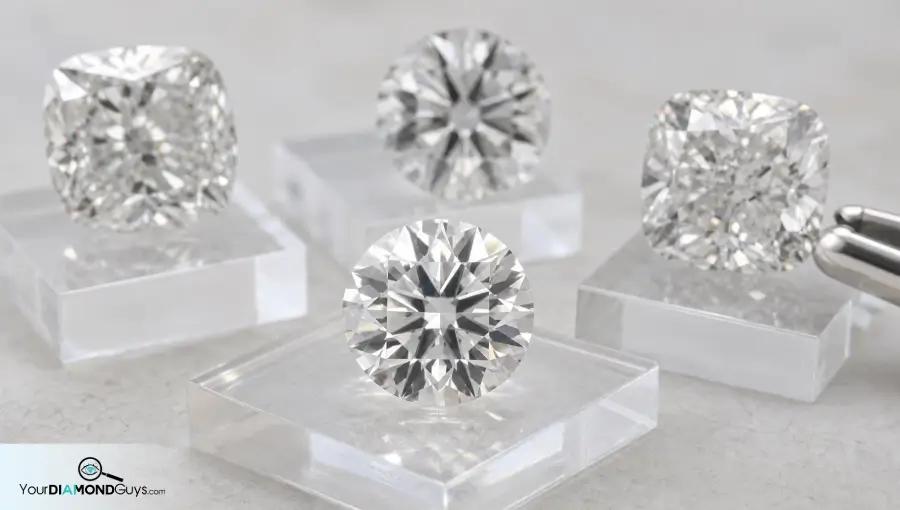
- Pass a tiny natural that sits safely on the girdle and does not affect face up beauty.
- Slow down on indented naturals near prong contact.
- Reject when the feature weakens a corner, point, or thin girdle area.
- Price the diamond for the real feature, not for the softer word natural.
Natural And Girdle Links
- Use inclusion location for placement.
- Use cavities and chips when the edge feature looks damaged.
- Use feather inclusions when a line reaches the girdle.
Compare Polish And Edge Detail
Use videos on Brilliant Earth and Blue Nile to check edge detail, not just face up sparkle. Rotate to the girdle and look for outline interruption.
If the feature stays quiet and the price is right, it can be a smart value. If it changes the outline, keep shopping.
Questions To Ask About Naturals
- Is it a natural or an indented natural?
- Does it interrupt the girdle outline or only sit on the edge?
- Will a prong touch or cover that exact area?
- Does the feature affect beauty, durability, or only the report wording?
What is an Indented Natural? The Hidden GIA Symbol That Shrinks Your Cut Quality
Questions? Reach out directly for a free consultation, or drop them in the Diamond Buyers Academy community — Rob and Josh answer personally.
Natural And Indented Natural FAQs
*Some links on our site may earn us a small commission at NO EXTRA cost to you, helping us keep our content free*