Diamond Inclusion Location Guide: Table, Girdle, and Pavilion
By Rob Cornfield, Co-Founder of YourDiamondGuys.com. 30+ years in the global diamond trade. Specialist in diamond cut and light performance.
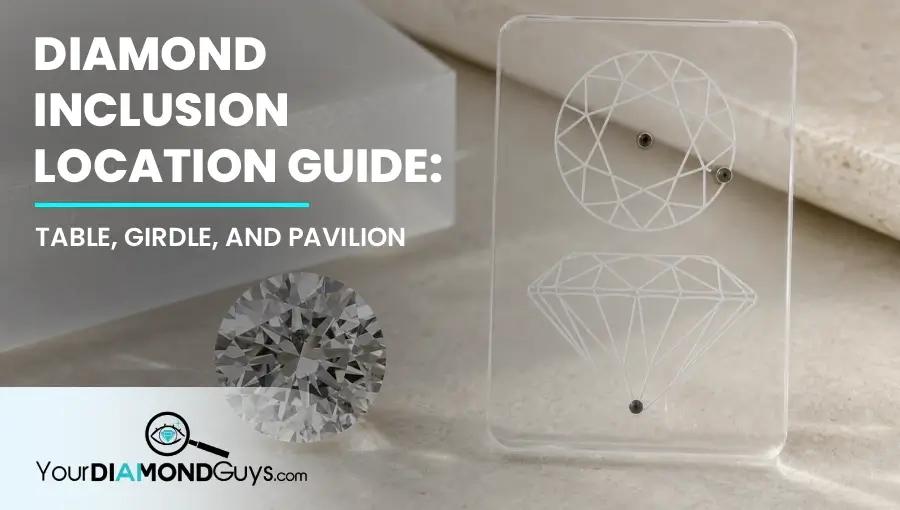
Inclusion location can matter more than the clarity grade. I would rather see a small white mark near the edge than a black crystal under the table inside the clarity window.
Location changes visibility, durability, price, and setting options. That is why two diamonds with the same report grade can be totally different buys.
The GIA plot helps you find the mark. The video tells you whether your eye finds it too.
Trade desk rule: center marks cost beauty first. Edge and surface marks can cost durability first.
Table Marks Get Seen First

The table is the main window. A dark crystal there gets spotted fast, especially in step cuts and larger stones. I get strict with anything black, reflective, or repeated under the table.
If the mark is under the table, use the eye clean test before you let the price talk.
Girdle And Edge Marks Need Setting Review
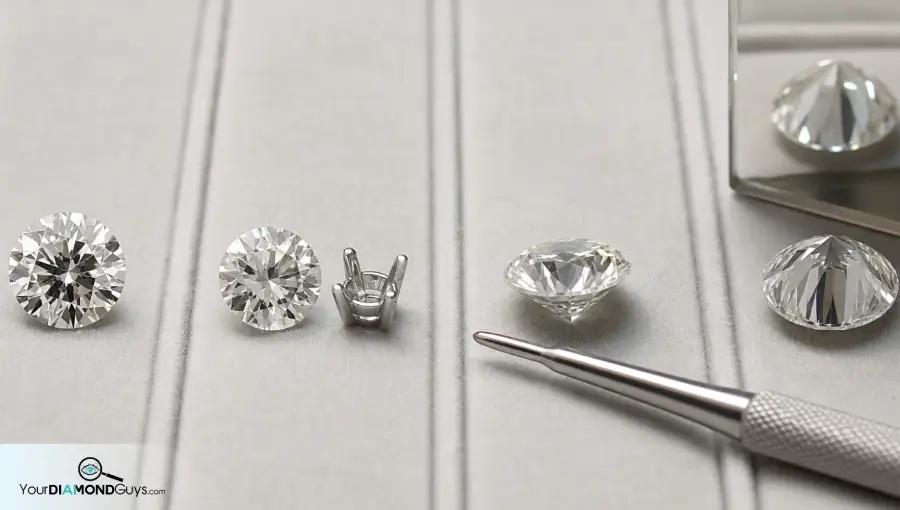
Edge inclusions can be great value when they are small and safe. They can also be trouble when they are feathers, chips, knots, or cavities. That is where prong placement matters.
| Location | Common Risk | Buyer Move |
|---|---|---|
| Table center | High visibility | Be strict |
| Near girdle | Setting and durability question | Check prong plan |
| Pavilion | Reflection can multiply the mark | Rotate video slowly |
| Corner or tip | Pressure during setting | Get expert review |
Pavilion Marks Can Reflect

A mark on the pavilion can look bigger than it is because reflections repeat it. This is common when one crystal appears in several places during the video.
That reflection pattern matters with crystals and needles. One inclusion can look like a small crowd.
Location Risk Matrix
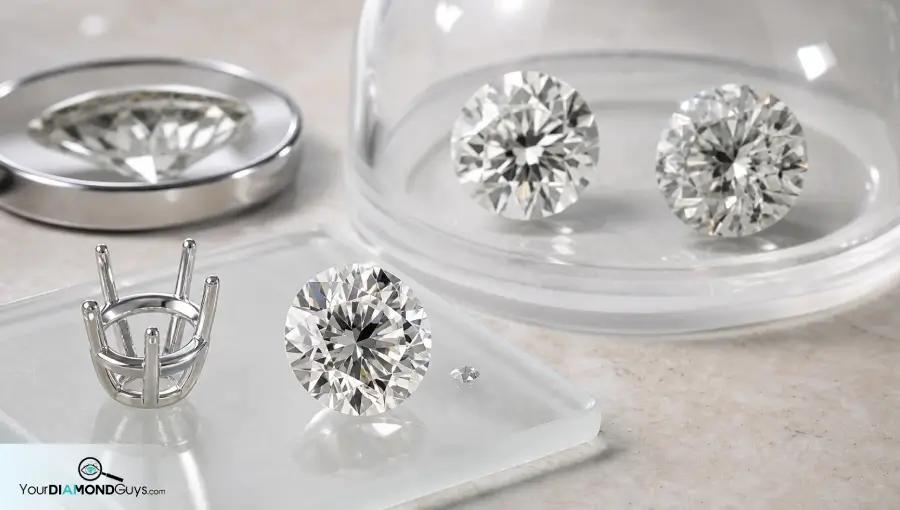
- Best value: small white edge marks that disappear face up and do not reach a weak area.
- Medium risk: pavilion marks that reflect but stay subtle.
- High visibility risk: dark marks under the table.
- High durability risk: surface reaching marks at corners, tips, or girdle contact points.
Location Links To Check Next
- Use clarity plot reading to find the mark.
- Use feather inclusions for surface reaching line marks.
- Use knot inclusions when a crystal reaches the surface.
- Use naturals and indented naturals for girdle features.
Ask For The Exact Clock Position
When you compare videos on Brilliant Earth or Blue Nile, ask where the inclusion sits by clock position. Three o'clock near the girdle is a different conversation from dead center under the table.
If the seller cannot tell you where the mark is, the discount needs to be very real or the diamond needs to go back in the pile.
Questions To Ask About Location
- What is the exact clock position of the inclusion?
- Is it under the table, near the girdle, on the pavilion, or near a corner?
- Can the setting safely cover it without adding pressure?
- Does the location create visibility, durability, or only pricing concern?
Discover the Hidden Beauty of Diamond Inclusions
Questions? Reach out directly for a free consultation, or drop them in the Diamond Buyers Academy community — Rob and Josh answer personally.
Inclusion Location FAQs
*Some links on our site may earn us a small commission at NO EXTRA cost to you, helping us keep our content free*