Cavities, Chips, and Surface Blemishes in Diamonds
By Rob Cornfield, Co-Founder of YourDiamondGuys.com. 35+ years of experience in the global diamond trade. Specialist in diamond cut and light performance.
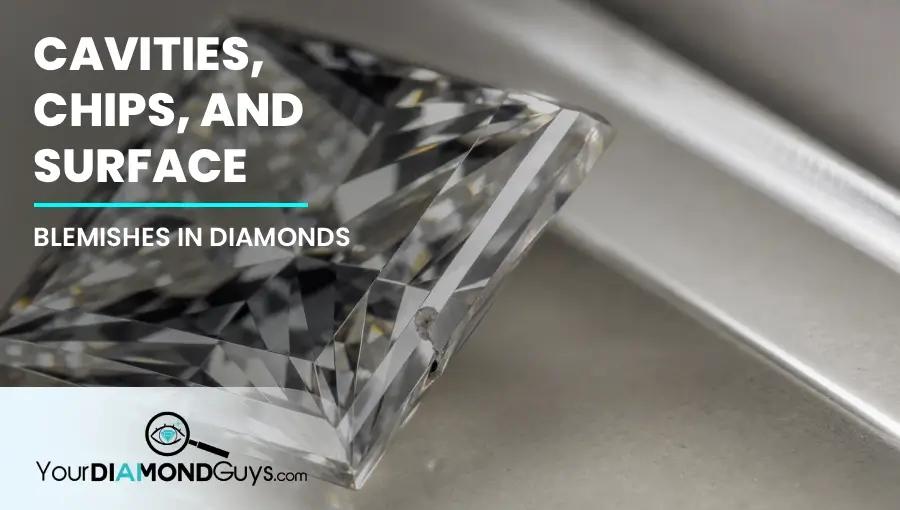
Cavities, chips, and bruises are not the same as harmless little marks. If the surface issue affects durability, setting, or value, I want the buyer walking away from that clarity tradeoff.
Surface damage changes the buy because the diamond already has an open or stressed area. That is different from a tiny internal crystal.
The GIA report gives the first clue. The actual video and setting plan decide whether the stone belongs in the reject pile.
Trade desk rule: cosmetic surface mark, maybe. Open damage or impact mark, be ruthless.
Separate Cosmetic Marks From Structural Damage
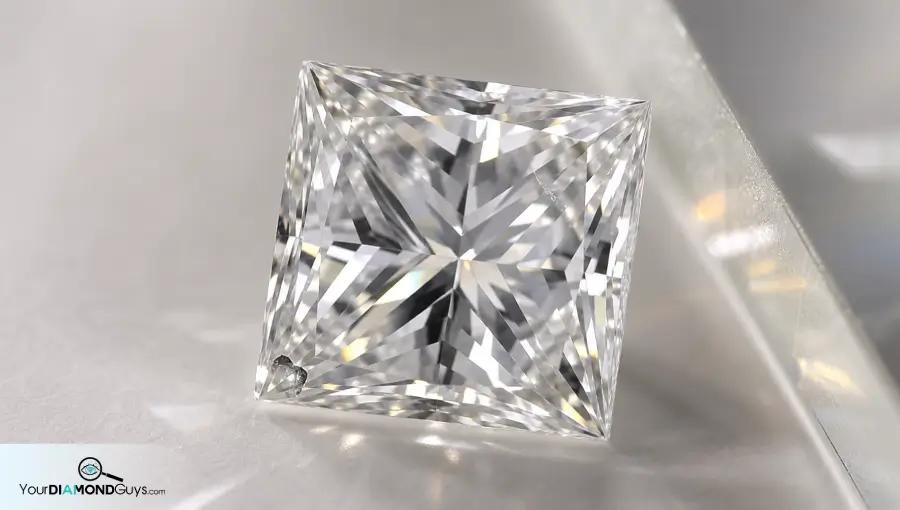
A tiny polish line can be cosmetic. A cavity, chip, bruise, etched channel, or open surface feature can change durability and resale.
Start with location. A surface issue on a corner, tip, or girdle deserves far less forgiveness.
Cavity, Chip, Bruise, And Etched Channel
| Surface Issue | What It Means | Buyer Move |
|---|---|---|
| Tiny polish line | Often cosmetic | Check visibility |
| Chip | Missing material or impact damage | Usually reject |
| Cavity | Open surface feature | Be very strict |
| Bruise | Impact stress concern | Get expert review |
| Etched channel | Surface reaching path | Avoid unless fully understood |
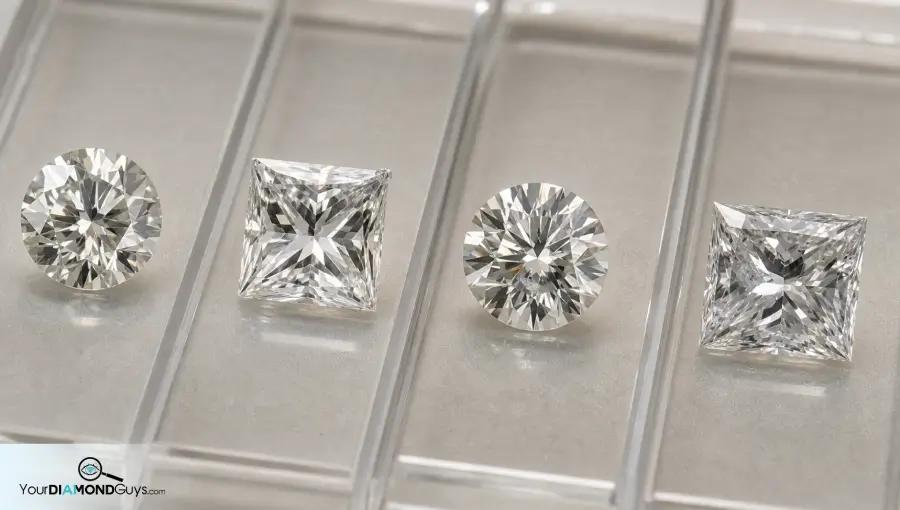
These are not all the same. Treat each label like a different risk, not one generic blemish bucket.
Corners And Girdles Carry The Risk
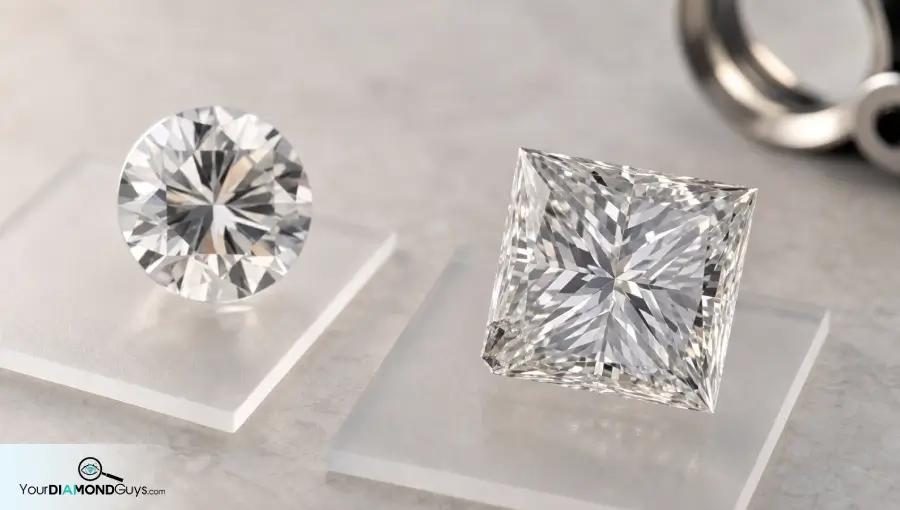
Princess corners, pear tips, marquise points, and thin girdle areas take setting pressure. A chip there matters more than a tiny surface mark in a quiet zone.
Before you use a prong as the fix, read prong hide strategy. Covering damage is not the same as making it safe.
Surface Damage Pass And Reject Rules
- Pass only minor cosmetic marks that do not affect durability or face up look.
- Slow down on anything at a corner, tip, or girdle contact point.
- Reject obvious chips, cavities, bruises, and etched channels in engagement ring centers.
- Never let a discount talk louder than structural risk.
Surface Risk Links To Check Next
- Use feather inclusions for fracture line risk.
- Use knot inclusions for surface reaching crystals.
- Use naturals and indented naturals for girdle related features.
Insurance Is After The Diamond Decision
Coverage from BriteCo or Lavalier can matter after purchase, but insurance does not make a chipped or cavity marked diamond a good buy. Decide if the stone is sound first.
If I would not buy the diamond without insurance, I do not want insurance to become the reason I buy it.
Questions To Ask About Surface Damage
- Is this a cosmetic blemish or missing material?
- Does the issue sit at a corner, tip, girdle, or setting contact point?
- Could polishing or setting make the problem worse?
- Would I still buy this diamond if the discount disappeared?
What Are Cavities in Diamonds?
Questions? Reach out directly for a free consultation, or drop them in the Diamond Buyers Academy community — Rob and Josh answer personally.
Cavity, Chip, And Blemish FAQs
*Some links on our site may earn us a small commission at NO EXTRA cost to you, helping us keep our content free*