Feather Inclusions in Diamonds: Safe or Risky?

By Rob Cornfield, Co-Founder of YourDiamondGuys.com. 35+ years of experience in the global diamond trade. Specialist in diamond cut and light performance.
A feather is not automatically bad. I care about size, location, whether it reaches the surface, and whether it sits near setting pressure inside the clarity decision.
A tiny feather tucked near the edge can be harmless. A long feather running into the girdle or corner changes the whole conversation.
The GIA plot gets me to the feather. The video and a setter's judgment tell me whether it belongs in an engagement ring.
Trade desk rule: small feather, quiet spot, no stress point, maybe value. Long feather near pressure, I get strict fast.
Surface Reaching Is The First Question
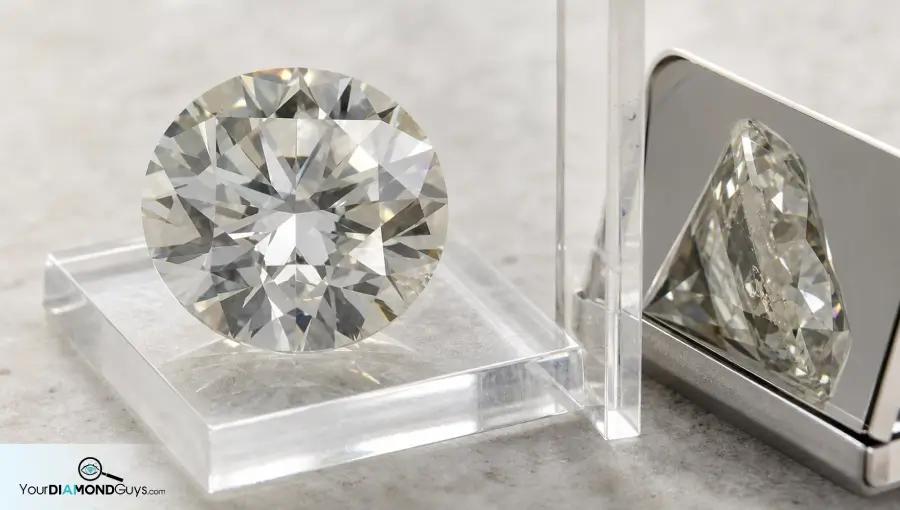
Ask whether the feather reaches the surface. Internal feathers can be cosmetic. Surface reaching feathers can become durability questions, especially near the girdle.
Use the clarity plot to locate it, then use side video to see whether it touches a vulnerable area.
Girdle Feathers And Prong Pressure
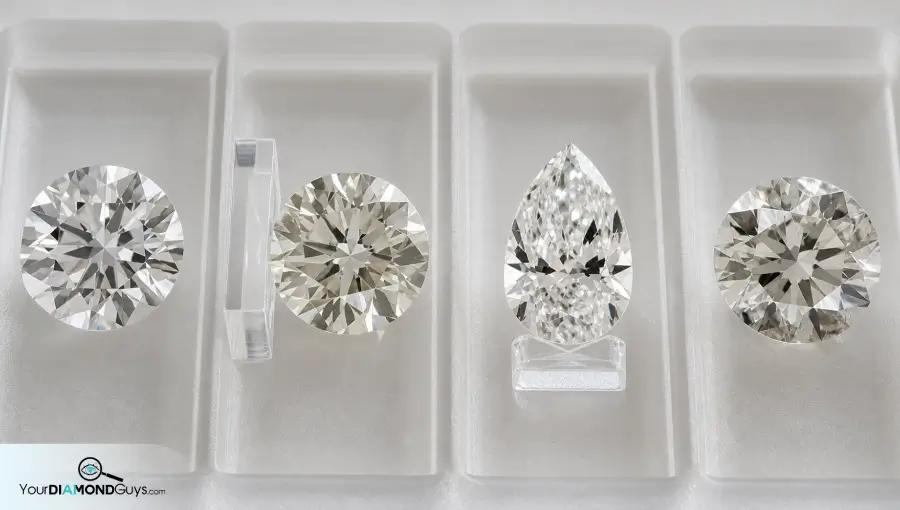
A feather near the girdle needs a setting review. A prong can protect a safe mark, but it can also put pressure near the wrong feature. Read the prong guide before using the setting as a fix.
| Feather Pattern | Risk Level | Buyer Move |
|---|---|---|
| Tiny internal feather | Usually low | Check visibility |
| Small edge feather | Depends on setting | Ask for clock position |
| Long feather near girdle | Higher durability concern | Get expert review |
| Feather at a tip or corner | High pressure area | Usually move on |
Long White Feathers Versus Tiny Feathers
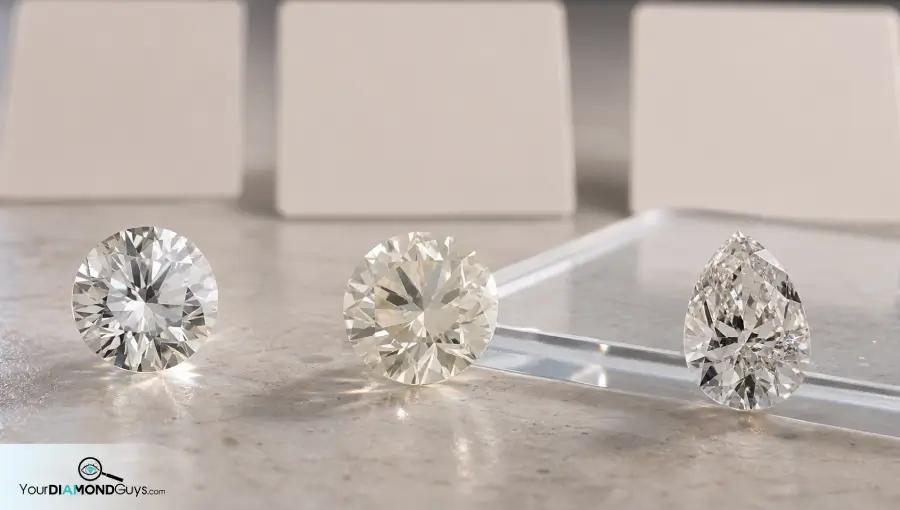
Length matters. A short feather can disappear. A long white feather can look like a crack, especially in step cuts or larger stones.
Color matters too. White feathers often show less than black crystals, but visibility is not the only issue. Durability still wins.
Feather Pass And Reject Rules
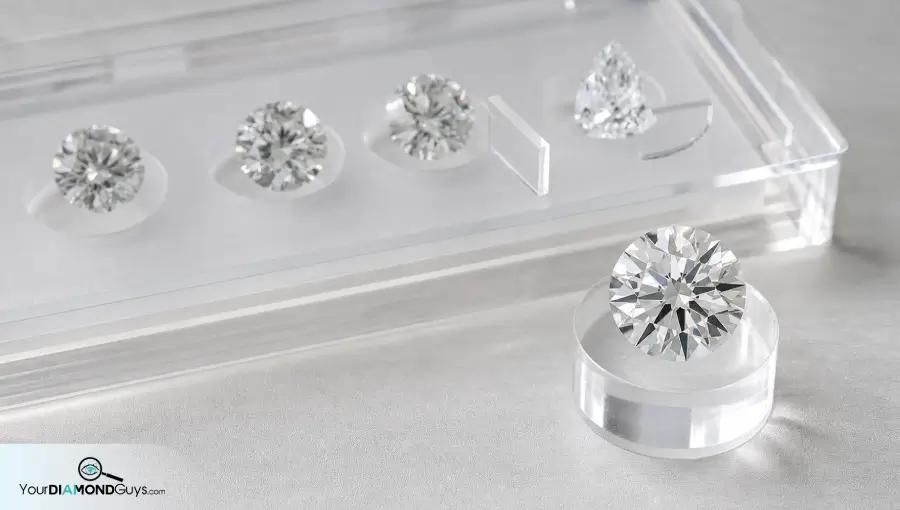
- Pass when the feather is tiny, internal, quiet in video, and away from pressure.
- Slow down when the feather sits on the girdle or near a prong position.
- Reject when the feather is long, obvious, surface reaching, or at a tip or corner.
- Ask for a professional review when price seems too good for the grade.
Feather Links For Durability Checks
- Use inclusion location to judge the placement.
- Use cavities and chips when the issue is already open at the surface.
- Use knot inclusions when a crystal reaches the surface.
Insurance Does Not Fix A Bad Feather
Coverage from BriteCo or Lavalier can help protect a ring after purchase, but it does not make a risky feather a smart diamond. Decide whether the stone is safe first.
If the feather is near a stress point, I want the diamond decision handled before any insurance conversation starts.
Discover the Hidden Beauty of Diamond Inclusions
Questions To Ask About Feathers
- Does the feather reach the surface?
- How long is it compared with the table or girdle?
- Does it sit near a prong, corner, point, or thin girdle area?
- Would the setter be comfortable putting pressure near that spot?
Questions? Reach out directly for a free consultation, or drop them in the Diamond Buyers Academy community — Rob and Josh answer personally.
Feather Inclusion FAQs
*Some links on our site may earn us a small commission at NO EXTRA cost to you, helping us keep our content free*