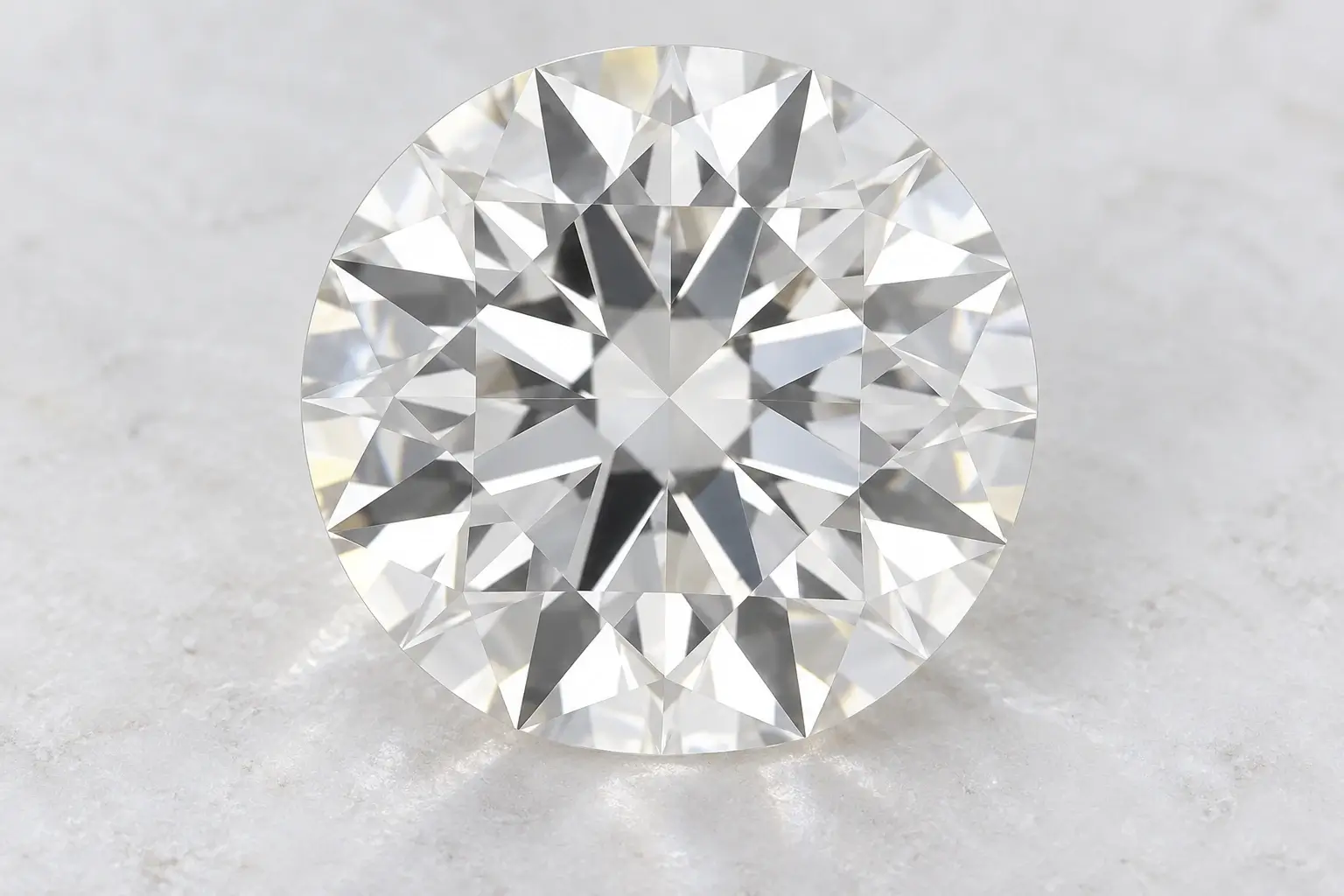
Round brilliant
Strong light return can make small color differences harder to notice face up. Compare the actual stones in ordinary light.
D color diamond buying advice
D is the highest color grade. That does not make it the best use of every buyer’s budget. Pay for the difference you care about, after you protect cut.
Book your free consultationYour consultation is free. Retailers can pay us a commission on qualifying referrals at no extra cost to you. Read how referrals work.
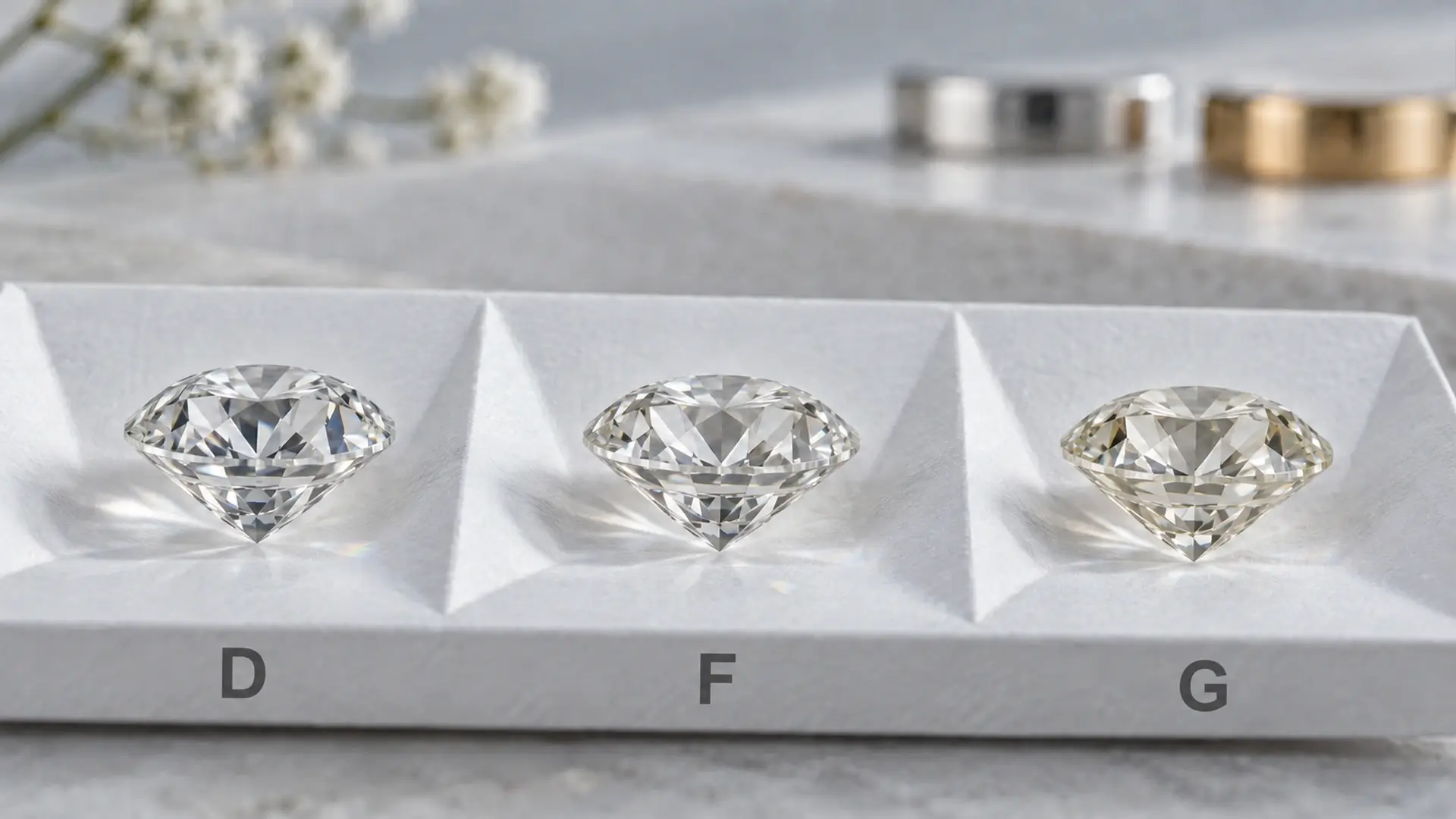
The highest grade, in context
On GIA’s D to Z scale, D sits at the colorless end. D, E, and F form the colorless group. G begins the near colorless group. Those are controlled grading distinctions, not a promise of an obvious difference across a room.
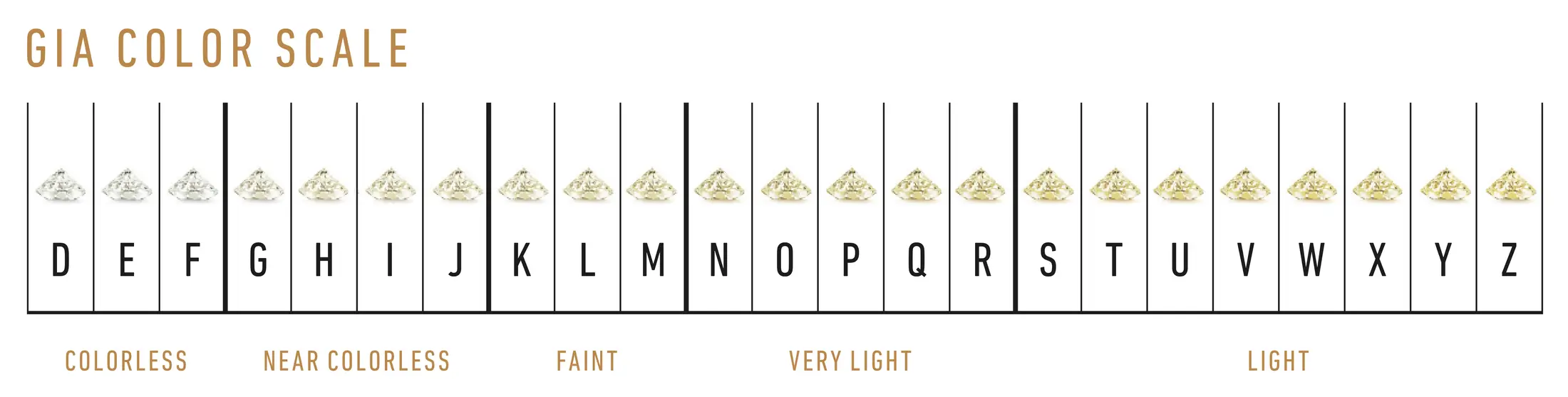
D, E, and F share the colorless group. G starts the near colorless group. Use the scale to read the report, then compare the actual diamond.
Chart: GIA. Explore GIA’s color guide. Original GIA print guide.
Open full sizeD describes color. It does not mean flawless. GIA grades clarity separately, so a D diamond can still have visible inclusions. For a natural diamond, start with GIA. Check the cut and clarity results, then judge the asking price on its own.
Read GIA’s color grading explanation for the controlled grading framework.
D versus E, F, and G
| Grade | What the grade tells you | How to use it |
|---|---|---|
| D | Top of the colorless range. | Consider it if owning the highest grade matters to you and cut and size already fit your plan. |
| E | Colorless, one grade below D. | Compare the actual appearance with D before assuming you will see the difference. |
| F | Still in the colorless group. | A sensible comparison when you want a colorless grade with room for other priorities. |
| G | Near colorless. | Compare face up and from the side in your intended setting; sensitivity, shape, and size affect the decision. |
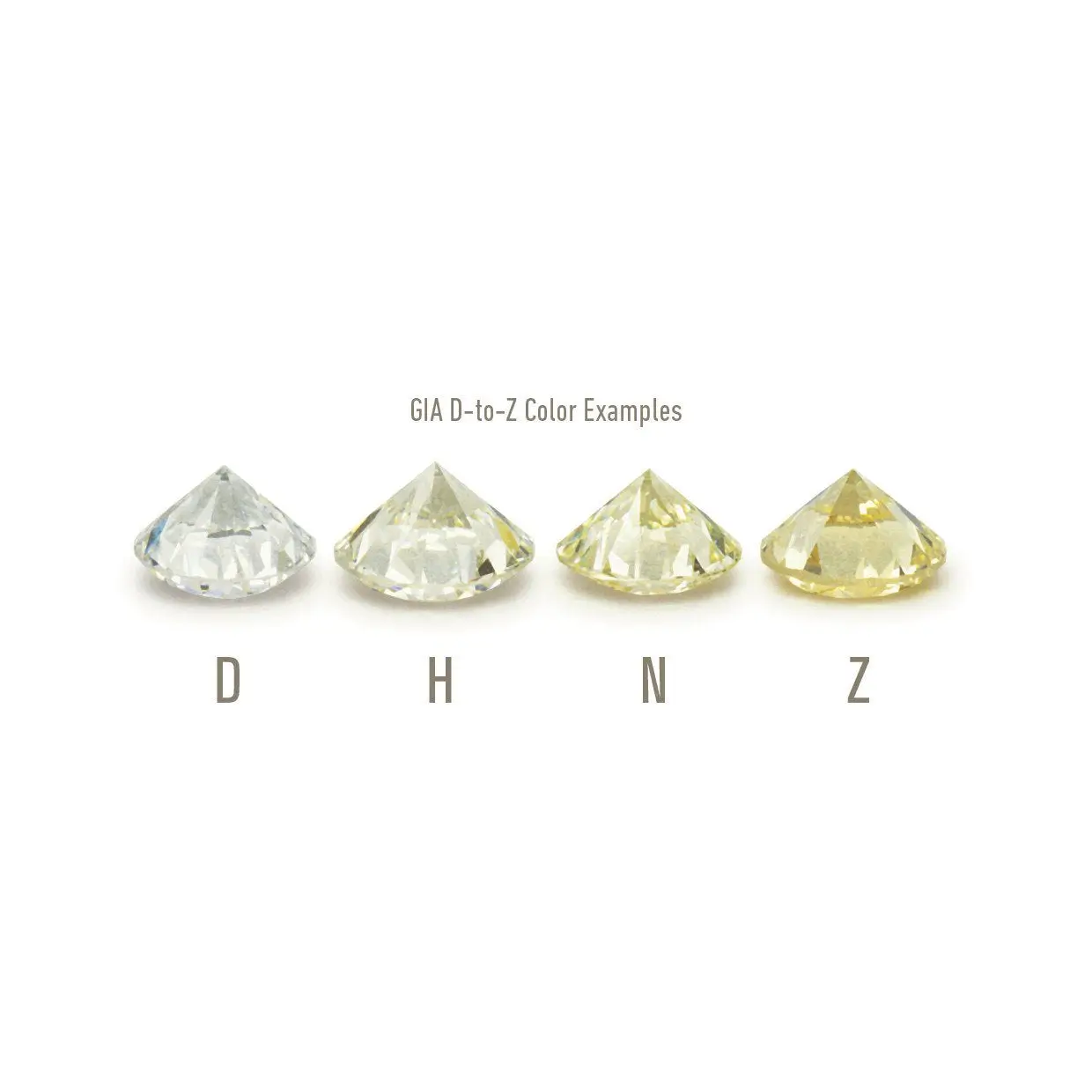
GIA shows D, H, N, and Z from the side here. Notice the body color across this wider range. For a D versus F or G decision, ask for the same side view under matching light.
Image: GIA. Explore GIA’s color guide.
Open full sizeDo not expect a fixed D premium. Compare current natural diamonds with the same shape, similar size, cut evidence, clarity, fluorescence, and seller terms. Differences in those factors can outweigh the color step.
Keep cut intact. Then spend on D if the color difference or the top grade itself matters enough to you.
Your diamond will live in a setting
Strong light return can make small color differences harder to notice face up. Compare the actual stones in ordinary light.
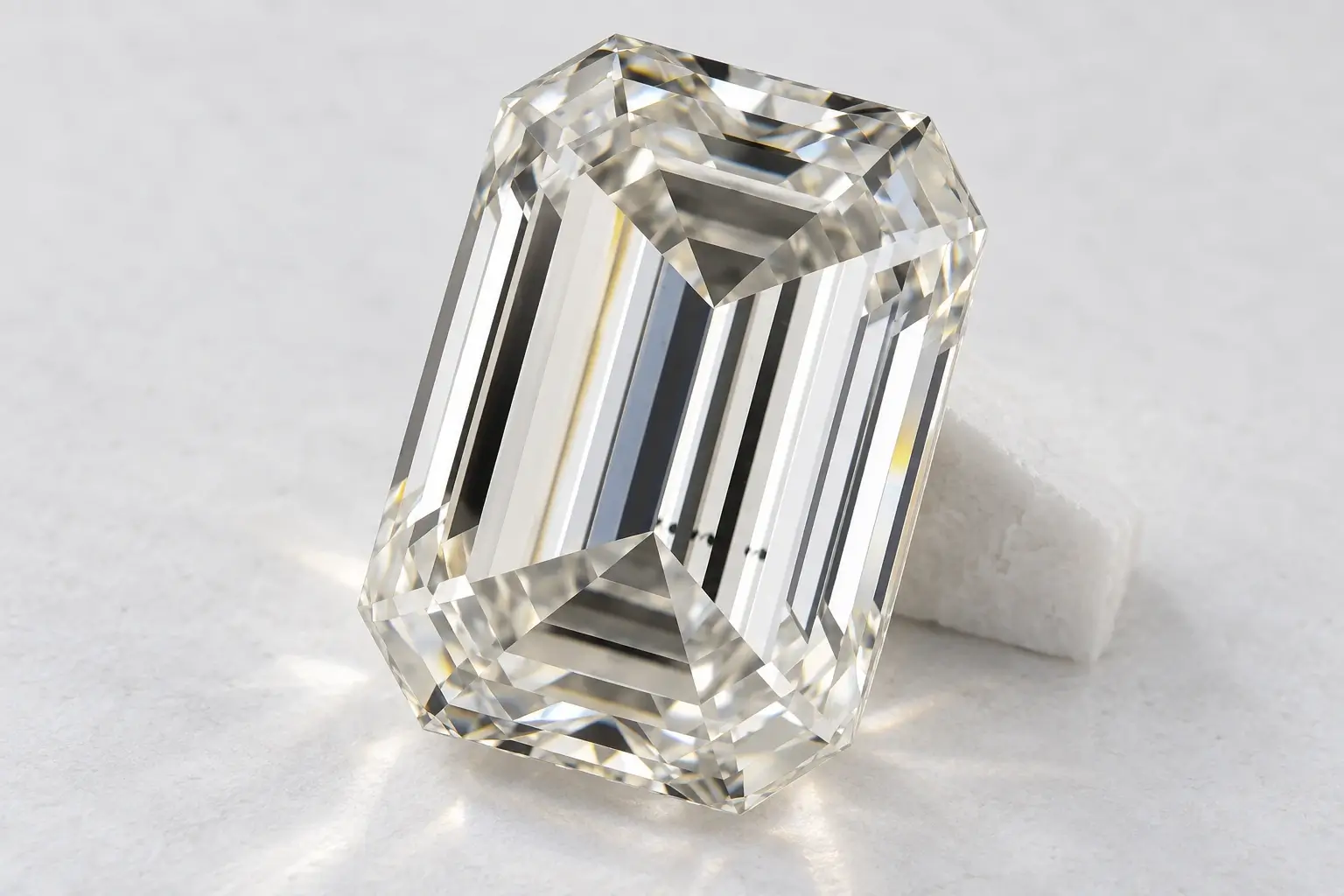
Large open facets invite a closer look at body color. Use the side view and the planned setting, not a blanket grade recommendation.
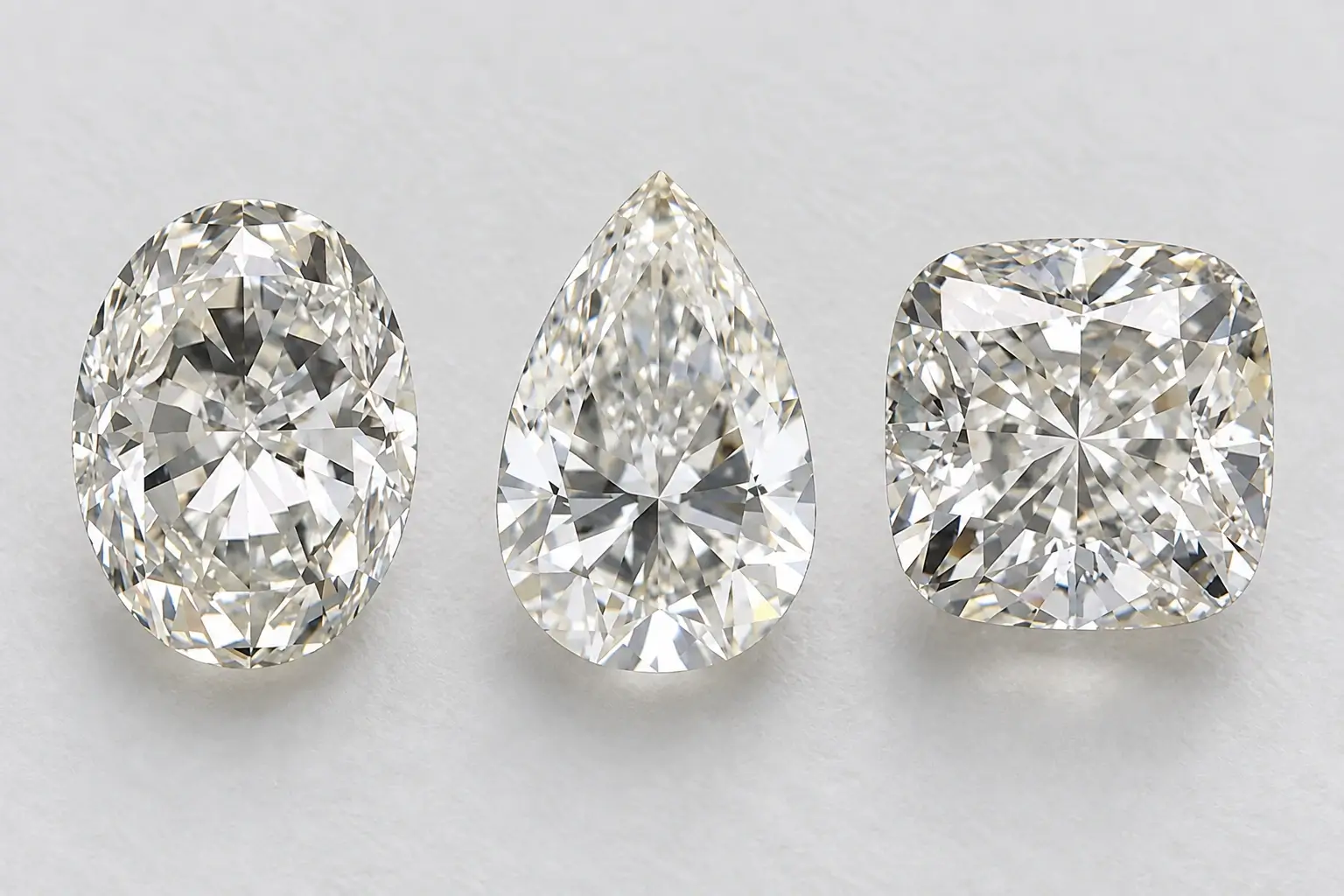
Color can concentrate in particular areas. Examine the tips, ends, or central pattern as appropriate to the shape.
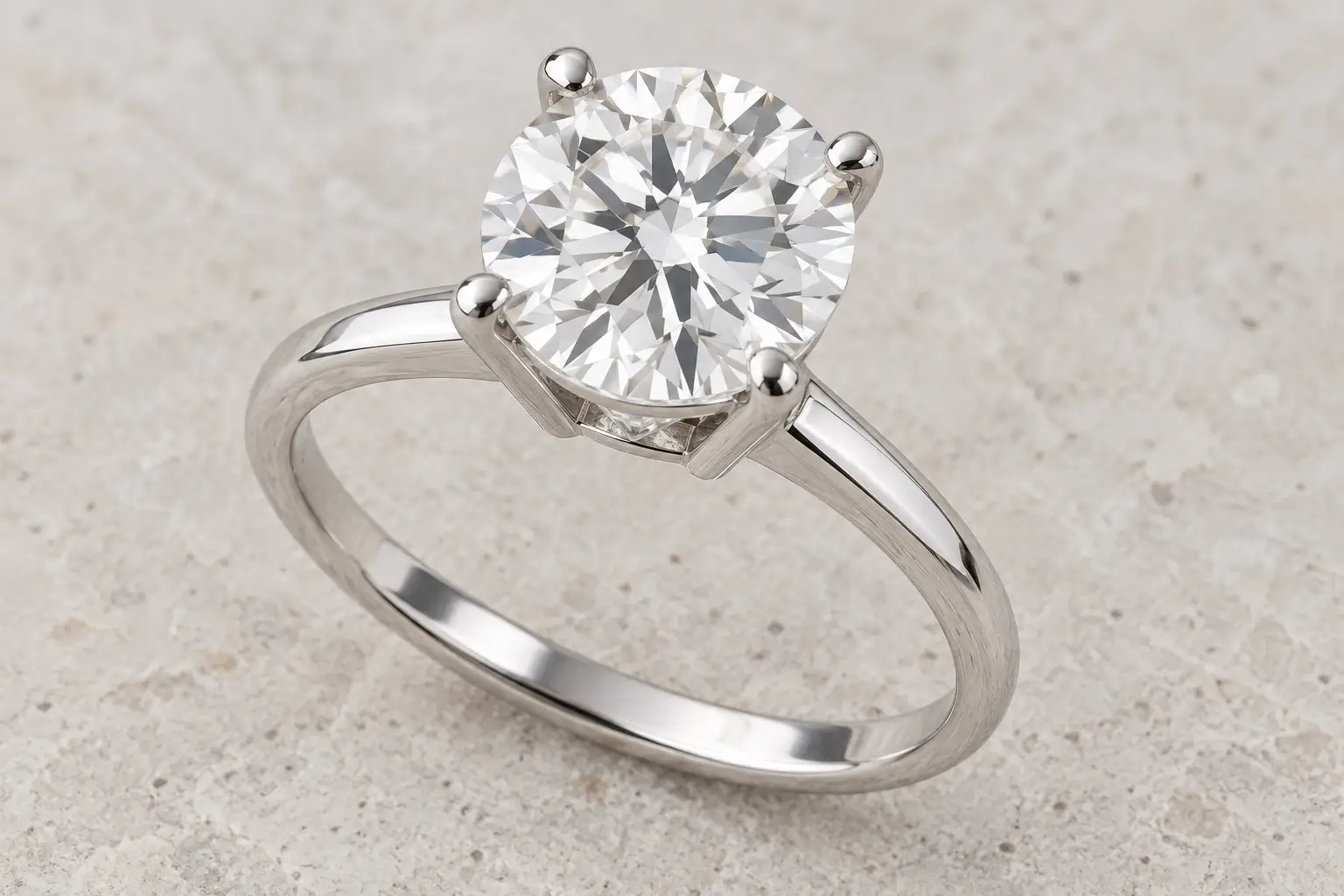
White metal keeps the color conversation more exposed. If you notice warmth easily, compare D, E, and F first, then test whether G still gives you the look you want.
Choose color for white metals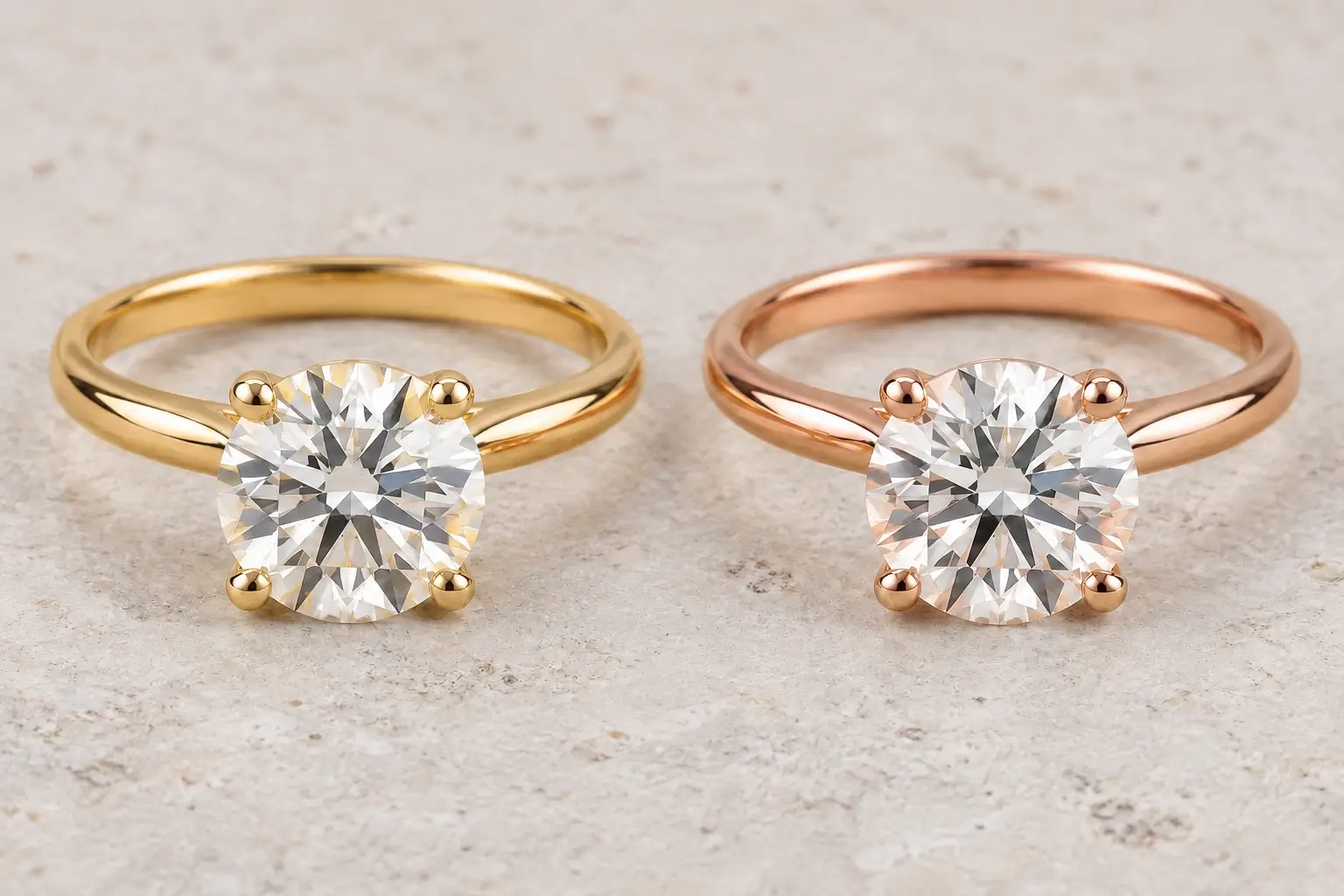
Warm metal changes surrounding reflections. A D diamond can pick up those reflections too. Compare the whole setting before paying for a grade difference you do not notice.
Choose color for warm metalsUse your budget deliberately
You strongly prefer the highest color grade, notice color differences in the actual shape and size, or simply value the grade itself. Keep enough budget for a well cut, properly verified stone.
D forces a compromise in cut, useful size, or the setting you want. E, F, and G deserve a fair comparison before you spend more.
You are allowed to buy D because you like D. Just separate that preference from a claim that everyone can see a large difference. A sensible purchase fits both the stone and the person wearing it.
Rarity, price, and resale
Natural colorless diamonds are scarce. That rarity helps explain their price when the other quality factors match. D sits at the top of the color scale, but cut, clarity, and carat weight still shape the value of the whole stone. Ask for a comparable E or F quote before paying the premium.
Buy D because you want it. The grade does not predict future prices. GIA reports describe diamond quality without assigning a monetary value, and an appraisal does not guarantee a resale price. If selling later matters to you, ask the seller for written buyback terms before you buy.
Make the comparison fair
Use similar shapes, millimeter sizes, cut quality, and clarity. Otherwise you are comparing more than color.
Inspect face up and from the side. GIA’s controlled grading view and your everyday face up view answer different questions.
Ask for diffuse daylight or neutral office lighting. Warm bulbs, background colors, and camera white balance change what you see.
Prefer none to faint fluorescence for a straightforward shortlist. That does not mean every stronger fluorescent diamond is hazy. Verify identity and keep a usable return window.
Straight answers
No. Choose it if the actual appearance or owning the top grade matters to you. If it squeezes cut or size out of the budget, compare E, F, and G.
A video alone is a poor color test unless the stones share the same light, camera settings, and surroundings. Use the GIA grades for the controlled comparison, then inspect the actual appearance.
No. Color and cut answer different questions. Cut, lighting, and motion drive the light pattern. A D diamond with a weak cut does not win on sparkle just because it is D.
It can reflect the warm metal around it. That does not change the laboratory grade. Look at the finished setting before assuming a D label removes every warm reflection.
No. D is a color grade. Flawless is a clarity grade. A diamond can earn D for color and still have inclusions. Read both results on the GIA report, then inspect the stone.