How we review diamonds
The report starts the conversation. The actual diamond has to back it up. Here is what we check before a stone deserves your money.
The diamond has to earn the recommendation
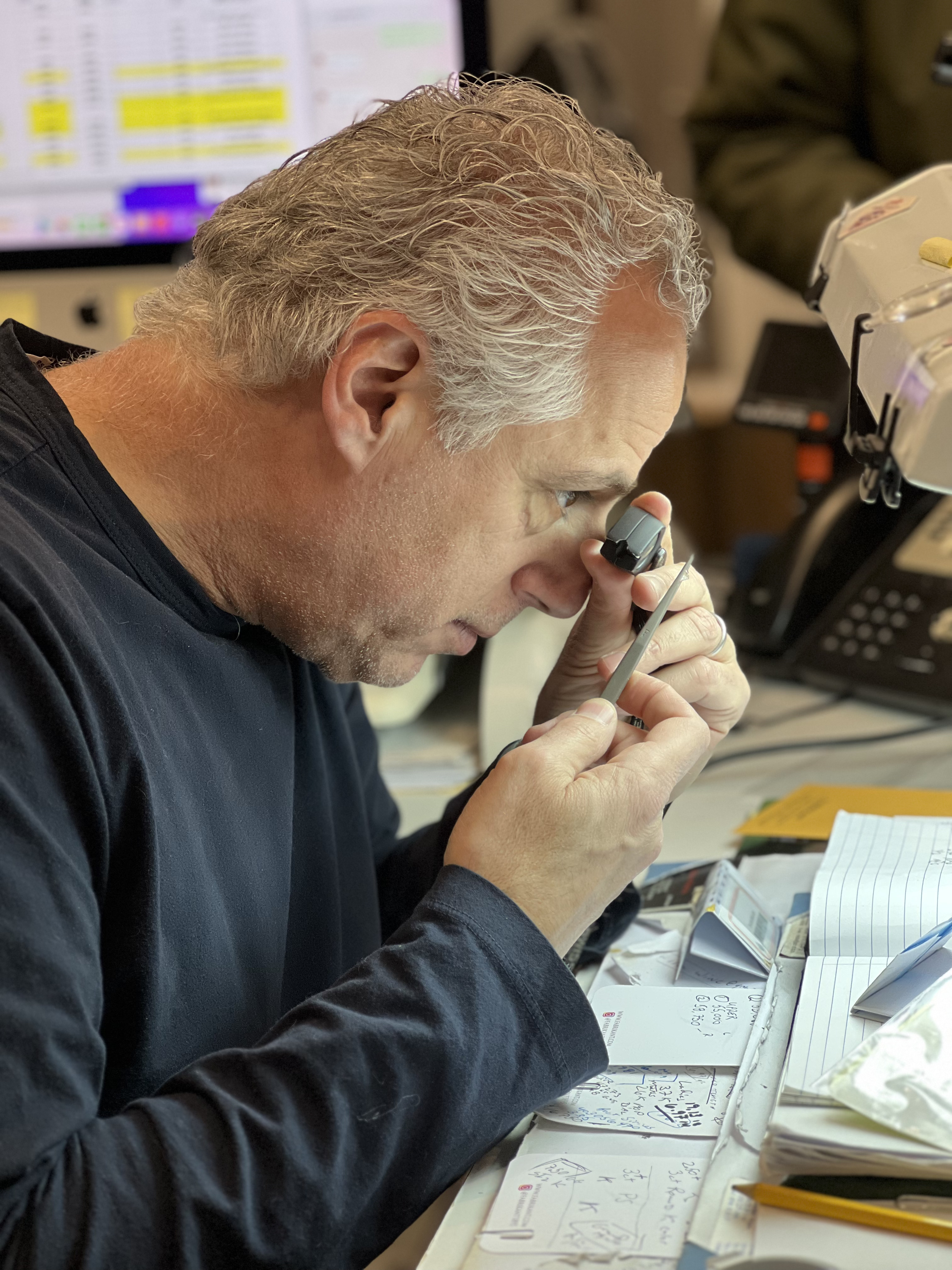
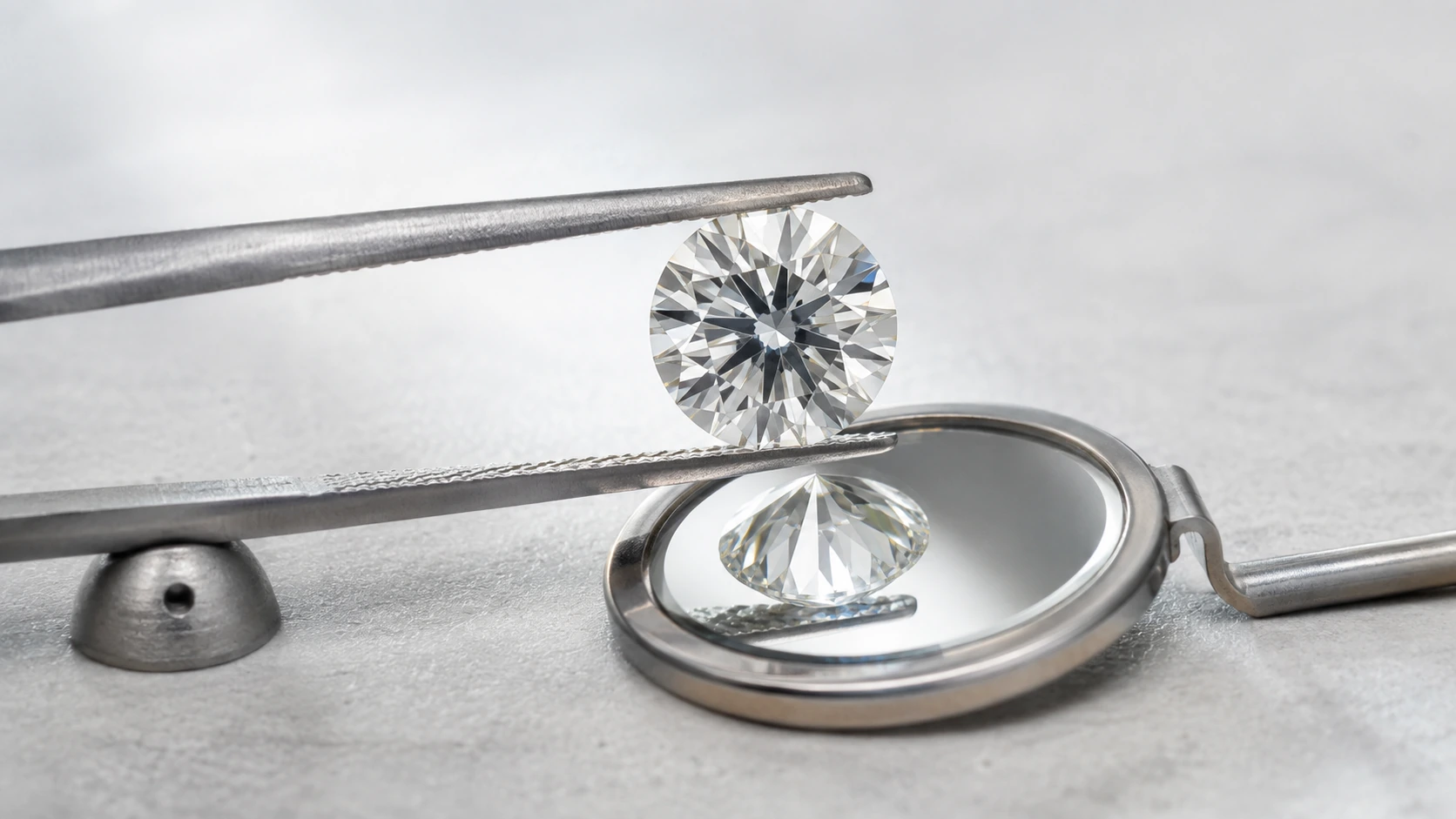
A good report gets our attention. The actual stone keeps it. Our diamond review brings together the grading report, available images or video, measurements, asking price, and the way you plan to wear it.
Inside the trade, two diamonds with the same color and clarity grades do not automatically deserve the same price. The make, visible size, transparency, and inclusion location change the decision. That is the judgment we bring to your purchase.
Rob focuses on cut, proportions, light performance, and inclusion concerns. Josh connects those findings to your budget, preferences, and retailer choice. You can read more about Rob Cornfield and Josh Allen before reaching out.
Send the evidence for the stone you are considering
The retailer link is the best place to start. Add the grading report, asking price, and any images or video you have. Tell us your budget, preferred shape, setting metal, and what matters most to you.
If you have two finalists, send both. If something is missing, say so. A stock photograph or incomplete report leaves a question open; it does not turn into evidence because the listing looks polished.
Start with GIA for a natural diamond
We start with the GIA report for natural diamonds. We read the report number, shape, measurements, carat weight, color, clarity, available cut information, polish, symmetry, fluorescence, comments, and plotted characteristics where supplied.
Use GIA Report Check to compare the report information with GIA's database. That checks the report record. It does not physically authenticate the stone a seller will ship.
Our GIA natural diamond report guide explains the fields. Missing plot or angle information stays missing; we do not fill it in by guessing. Lab grown diamonds need their own grading and growth context, so we do not apply natural diamond price assumptions to them.
The round diamond numbers are a starting screen
For natural round brilliants, these are our practical starting ranges. They narrow the search. They do not guarantee light performance or replace a review of the actual stone.
| Check | Starting range or preference | Why we check it |
|---|---|---|
| Table | 56 to 58 percent | Consider the balance of the table and surrounding crown facets. |
| Total depth | 60 to 62.4 percent | Look for weight that reduces the visible spread. |
| Crown angle | 34 to 35 degrees | Read it together with the pavilion angle. |
| Pavilion angle | 40.6 to 41 degrees | Check how the angle combination supports light return. |
| Polish and symmetry | Excellent for both | Keep finish and alignment in the review. |
| Fluorescence | None to faint | Use a conservative starting point, then consider the actual appearance. |
An angle is not a verdict by itself. Reported values also have rounding limits. Our cut quality guide explains why measurements and visual evidence need to agree.
These ranges do not grade ovals, emerald cuts, cushions, or other fancy shapes. Those stones need shape specific checks.
Look for what the report cannot settle
Video shows how a stone changes as it moves. We look for balanced brightness, contrast, dead areas, transparency concerns, and a face up appearance that makes sense for its measurements.
The setup matters. Camera position, magnification, lighting, and obstruction can change what you see. A dark area in one still image is not enough to diagnose leakage. When available, actual light performance images add context; they still need careful interpretation.
Ovals, pears, and marquise cuts need a closer look at the bow tie. Emerald and Asscher cuts need attention to windowing and broad dark areas. Cushions and radiants need a review of facet pattern, brightness, and watery areas. We judge the diamond in front of us, not just the shape name.
Inclusions need a location and a consequence
A clarity grade does not tell the whole story. The type, location, size, and visibility of an inclusion matter. A mark beneath a prong and a feature reaching a vulnerable edge are different buying questions.
Bruise, chip, cavity, knot, etched channel, and indented natural are specific concerns we want investigated. A report term alone does not tell us the full condition of the stone. If the evidence cannot resolve a durability or transparency concern, we do not treat it as cleared.
The clarity plot guide shows how to connect the report to the area that needs a closer look. Eye clean appearance and durability are separate checks.
Price comes after the quality checks
A lower asking price is useful only when you understand what you are buying. We consider the shape, grading context, measurements, cut evidence, color, clarity, and seller terms before calling one candidate better value.
The price per carat calculator compares the figures you enter. It does not provide a live market valuation. Confirm availability, the final price, return conditions, and any setting charges with the seller before paying.
What makes us pause or pass
| Finding | Our buying response |
|---|---|
| Report and listing details do not match | Resolve the identity conflict before moving forward. |
| The seller supplies only a stock image | Ask for evidence of the actual diamond. |
| The stone shows weak brightness, poor spread, or troubling transparency | Compare stronger candidates and investigate the cause. |
| A significant inclusion concern remains unresolved | Do not treat the stone as a safe recommendation. |
| Price or return terms are unclear | Get the complete offer before making the decision. |
Sometimes the answer is to keep the candidate. Sometimes it is to compare another stone. Sometimes there is not enough evidence yet. We explain the reason rather than letting a score stand in for the decision.
A review example, with its limits visible
Illustrative example. This is an educational scenario, not a customer case or an analysis of a real listing.
A natural round has a 57 percent table, 61.6 percent depth, 34.5 degree crown angle, 40.8 degree pavilion angle, Excellent polish and symmetry, and no fluorescence. Those figures fit our starting screen.
The seller has not supplied the actual video. The report and asking price also need to be checked against the listing.
The next step is more evidence. The figures make it worth investigating. They do not establish that the diamond is bright, eye clean, fairly priced, or the right choice for you. Request the video and complete listing before deciding.
Where the tool ends and human judgment starts
The Diamond Report tool is a preliminary screen. An automated result is not the same as Rob or Josh reviewing the available evidence with you.
Online advice relies on the material available. It cannot replace physical inspection, laboratory grading, an appraisal, or confirmation that the delivered stone matches the report. Images do not reliably settle every color, inclusion, treatment, or durability question.
During a consultation, bring the questions you want answered. We can talk through the evidence, the concerns, and the next sensible step. Tell us about your buying deadline when you contact us.
How the free consultation is funded
Your consultation is free. Qualifying purchases through our retailer links can earn Your Diamond Guys a referral commission at no extra cost to you. That is a financial relationship worth understanding before following a recommendation.
Read our referral disclosure for the explanation. If you want another set of eyes on a diamond, book your free consultation.