Knot Inclusions in Diamonds: A Durability Red Flag
By Rob Cornfield, Co-Founder of YourDiamondGuys.com. 30+ years in the global diamond trade. Specialist in diamond cut and light performance.
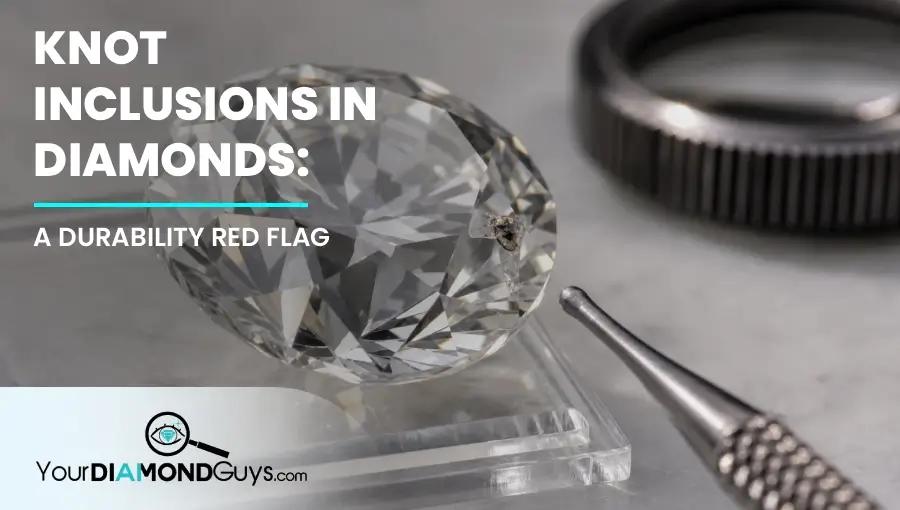
A knot is one of the inclusions I take seriously. It reaches the surface, and that can create durability, polish, and value problems inside the clarity decision.
A knot is not just a crystal inside the diamond. It is a crystal that comes to the surface. That surface contact changes the risk.
The GIA plot and comments help identify it. Then I want the location, size, and surface behavior before I discuss price.
Trade desk rule: when an inclusion reaches the surface, the discount has to be real and the safety has to be proven.
A Knot Reaches The Surface
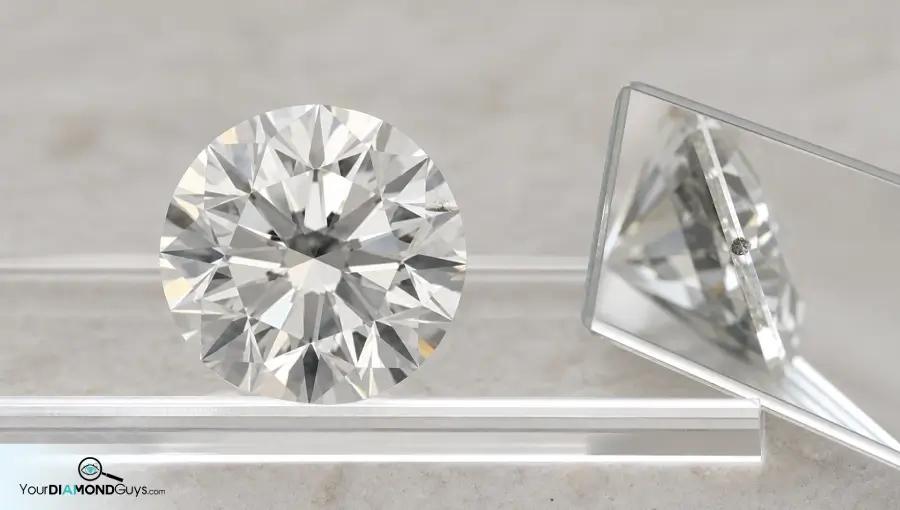
That is the key difference between a crystal inclusion and a knot. A crystal can sit inside the stone. A knot breaks the surface conversation open.
If the knot sits near a setting pressure point, I get strict. A ring is not gentle on a diamond every day.
Knot Versus Included Crystal
| Feature | What It Means | Buyer Move |
|---|---|---|
| Internal crystal | Can be harmless if quiet | Check visibility |
| Knot at surface | Durability and polish concern | Get expert review |
| Knot near girdle | Setting pressure concern | Check location |
| Raised or obvious knot | Value problem | Usually move on |
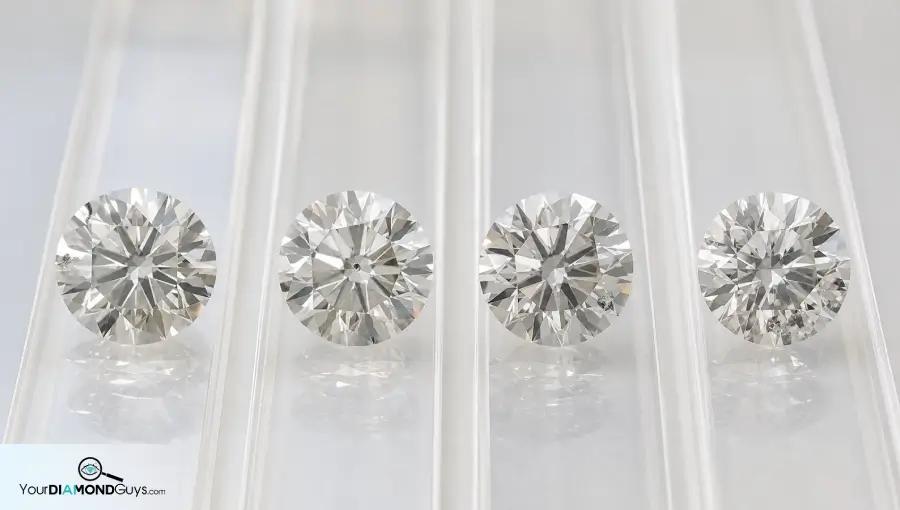
Do not let a seller use crystal language to soften a knot problem. The surface contact is the reason we care.
Where A Knot Becomes A Deal Breaker
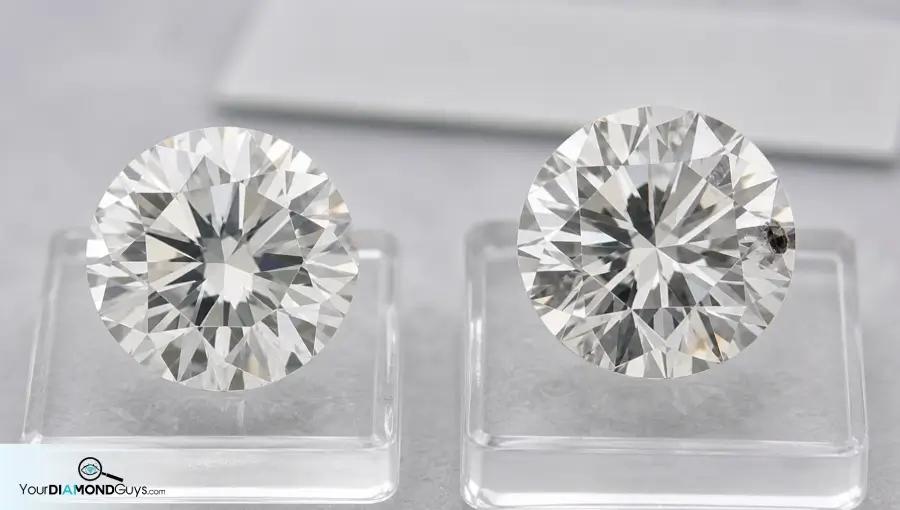
A knot near the table can be visible. A knot near the girdle can be a setting issue. A knot that causes an uneven surface or polish problem usually belongs in the reject pile.
Compare it with other surface issues in cavities, chips, and blemishes when you are deciding how strict to be.
Knot Pass And Reject Rules
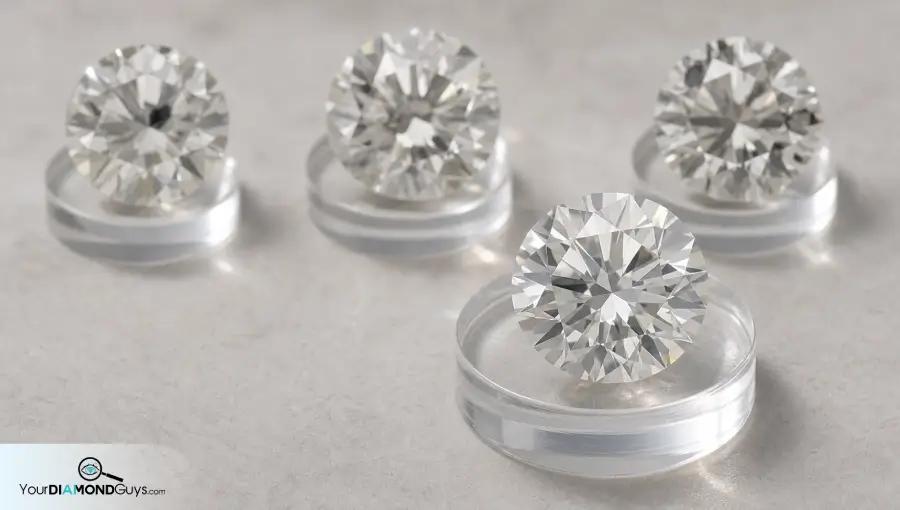
- Pass only when the knot is tiny, away from pressure, and priced honestly.
- Slow down when the knot sits near the girdle or table.
- Reject raised, visible, or poorly placed knots.
- Do not buy a knot without seeing the actual diamond video and report.
Knot Links For Surface Risk
- Use clarity plot reading to find the symbol.
- Use prong hide strategy only after the safety question is answered.
- Use naturals and indented naturals for other girdle surface features.
Coverage Does Not Make A Knot Safer
Insurance options like BriteCo and Lavalier come after the diamond decision. They do not turn a risky knot into a smart buy.
If the knot is the reason the price looks good, make the seller prove it is safe before you think about coverage.
Questions To Ask About Knots
- Does the knot reach the surface?
- Is it raised, polished around, or visible face up?
- Does it sit near the girdle, table, or a prong pressure point?
- Is the price discount large enough for a surface reaching inclusion?
What is a Diamond Knot Inclusion? (The Hidden Breakage Risk)
Questions? Reach out directly for a free consultation, or drop them in the Diamond Buyers Academy community — Rob and Josh answer personally.
Knot Inclusion FAQs
*Some links on our site may earn us a small commission at NO EXTRA cost to you, helping us keep our content free*