Eye Clean Diamonds: Real Buyer Standards

By Josh Allen, Co-Founder of YourDiamondGuys.com. Fifth generation diamantaire with 30+ years in the global diamond trade. Former supplier to Tiffany & Co., Cartier, and Harry Winston.
Eye clean means the inclusion stays invisible to your naked eye in normal viewing. That is the standard I care about before I let the clarity grade spend your money.
The phrase gets abused online. One seller means clean from across the counter. Another means clean only if you do not tilt the diamond. Ask for the standard before you trust the label.
I still want a GIA report, but the report does not decide eye clean. The video, viewing distance, lighting, shape, and carat size decide it.
Trade desk rule: if your eye finds the mark in the first ten seconds, your eye will keep finding it after the proposal.
The 8 To 12 Inch Eye Clean Test
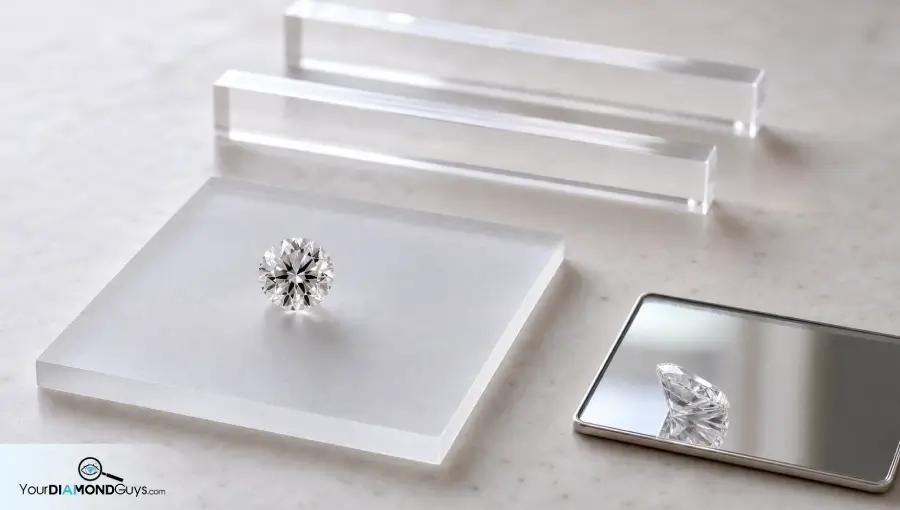
Use 8 to 12 inches as the real world distance. Look straight through the table first, then tilt the stone. Use normal room light before you trust jewelry counter lighting.
Be stricter as size goes up. A 2.50 carat oval exposes inclusions faster than a 0.80 carat round because the viewing window is larger.
Why VS2 And SI1 Still Need Video
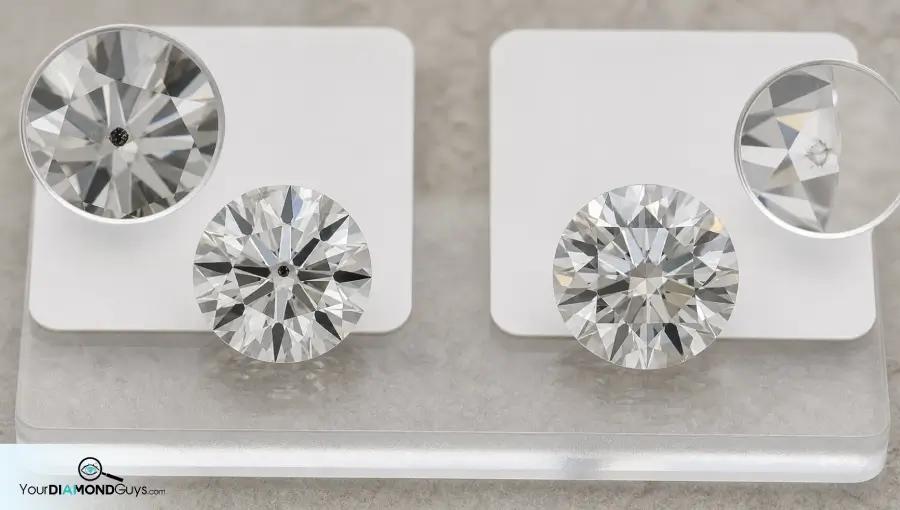
A VS2 can show a dark table crystal. An SI1 can look clean when the mark is white and tucked near the edge.
| Signal | What It Tells You | Buyer Move |
|---|---|---|
| Clean from 8 to 12 inches | Normal eye clean pass | Check side view once |
| Visible only at zoom | Usually not a buyer problem | Do not overpay for fear |
| Black mark under the table | High distraction risk | Move on or demand real value |
| Surface reaching issue | Durability question | Read feather risk before buying |
When Eye Clean Fails By Shape
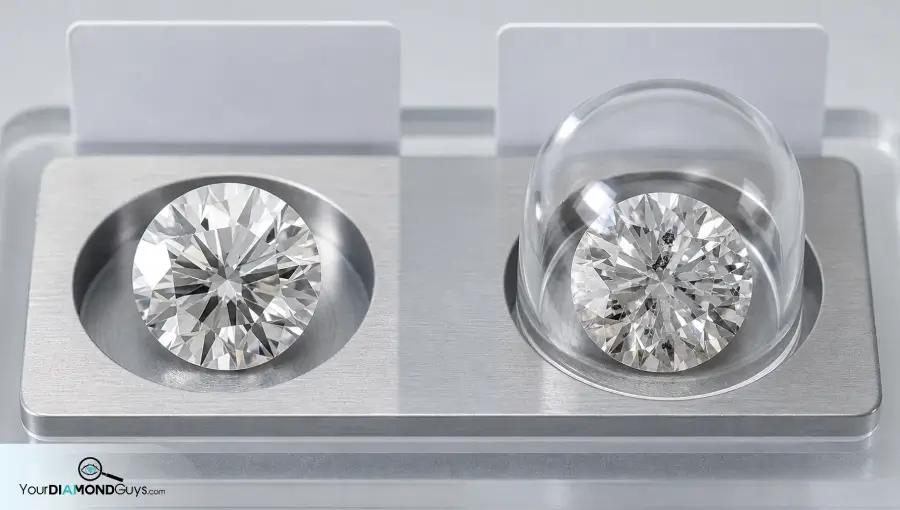
Round brilliants hide inclusions better because the facet pattern breaks up the view. Emerald and Asscher cuts show more because their steps act like clean windows. Use the shape visibility guide before you compare grades.
Ovals, pears, cushions, and radiants sit in the middle. They can hide a lot, but a black mark in the wrong place still wins the staring contest.
Online Video Checks That Actually Matter
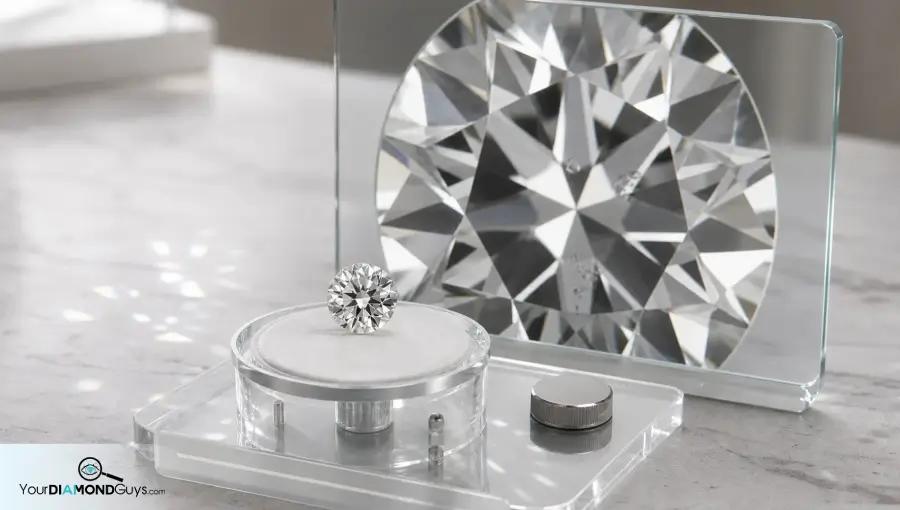
Pause the 360 video under the table. Look for black crystals, white feathers, cloudy patches, and repeated reflections. Then check the clarity plot so you know what you are looking at.
If the seller only gives perfect lighting, ask for another view. A diamond that needs perfect lighting to look clean is not the easy buy.
Next Eye Clean Decisions
- Use best clarity for engagement rings when you want the safest starting grade.
- Use black vs white inclusions when the mark has contrast.
- Use clarity vs carat when you want a bigger stone without buying a visible flaw.
Use Retailer Videos As Evidence
Compare similar stones on Ritani and Blue Nile only after the eye clean test is clear. Match shape, carat, color, and lab first. Then use the video to decide whether the lower clarity stone earned the discount.
The link does not make the diamond good. The video, report, and price have to agree.
Questions To Ask About Eye Clean Claims
- Eye clean from what distance and in what lighting?
- Can I see the diamond face up, tilted, and from the side?
- Does the inclusion show at normal size or only in magnified video?
- Would you still call it eye clean for a picky buyer with sharp eyesight?
What "Eye Clean" Really Means in the Diamond Biz
Questions? Reach out directly for a free consultation, or drop them in the Diamond Buyers Academy community — Rob and Josh answer personally.
Eye Clean Diamond FAQs
*Some links on our site may earn us a small commission at NO EXTRA cost to you, helping us keep our content free*