Buy a natural diamond with the evidence in the right order.
Start with GIA. Then check how the diamond is cut, how large it actually looks, where the inclusions sit, how the color works with the setting, and whether the seller protects the purchase.
Your consultation is free. Retailers can pay us a commission on qualifying referrals at no extra cost to you. Read how referrals work.
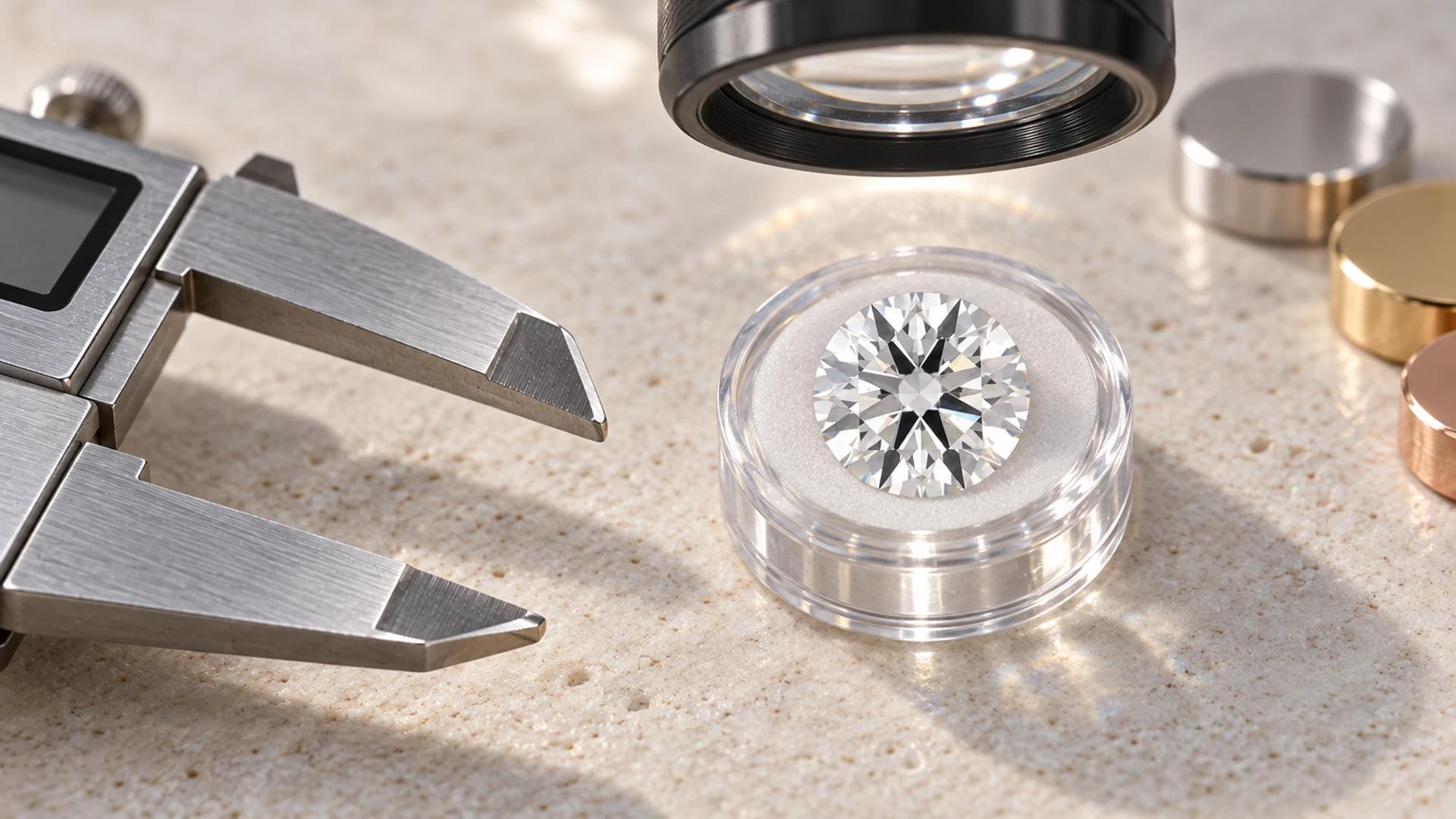
Six decisions that protect the purchase.
Budget
Separate the center stone from the setting, tax, shipping, and any other costs. Decide where a visible improvement deserves more money.
Shape
Shape changes brightness pattern, visible size, color sensitivity, clarity needs, and price. Pick the look before fine tuning grades.
GIA report
Match the report number, measurements, grades, plot, comments, fluorescence, polish, and symmetry to the listing.
Cut and appearance
Use proportions to narrow the field. Use the actual stone’s video or images to judge the pattern, bow tie, windowing, and brightness.
Price and terms
Compare like with like, then check return, shipping, setting, upgrade, and verification terms before paying.
Delivery check
Confirm the report, inscription when applicable, condition, and appearance before the return window closes.
GIA Excellent is a range, not a promise of performance.
For a natural round, start near table 56 to 58 percent, depth 60 to 62.4 percent, crown angle 34 to 35 degrees, and pavilion angle 40.6 to 41 degrees. Look for Excellent polish and symmetry and none to faint fluorescence. Then inspect the actual diamond.
Use the 4Cs as tradeoffs.
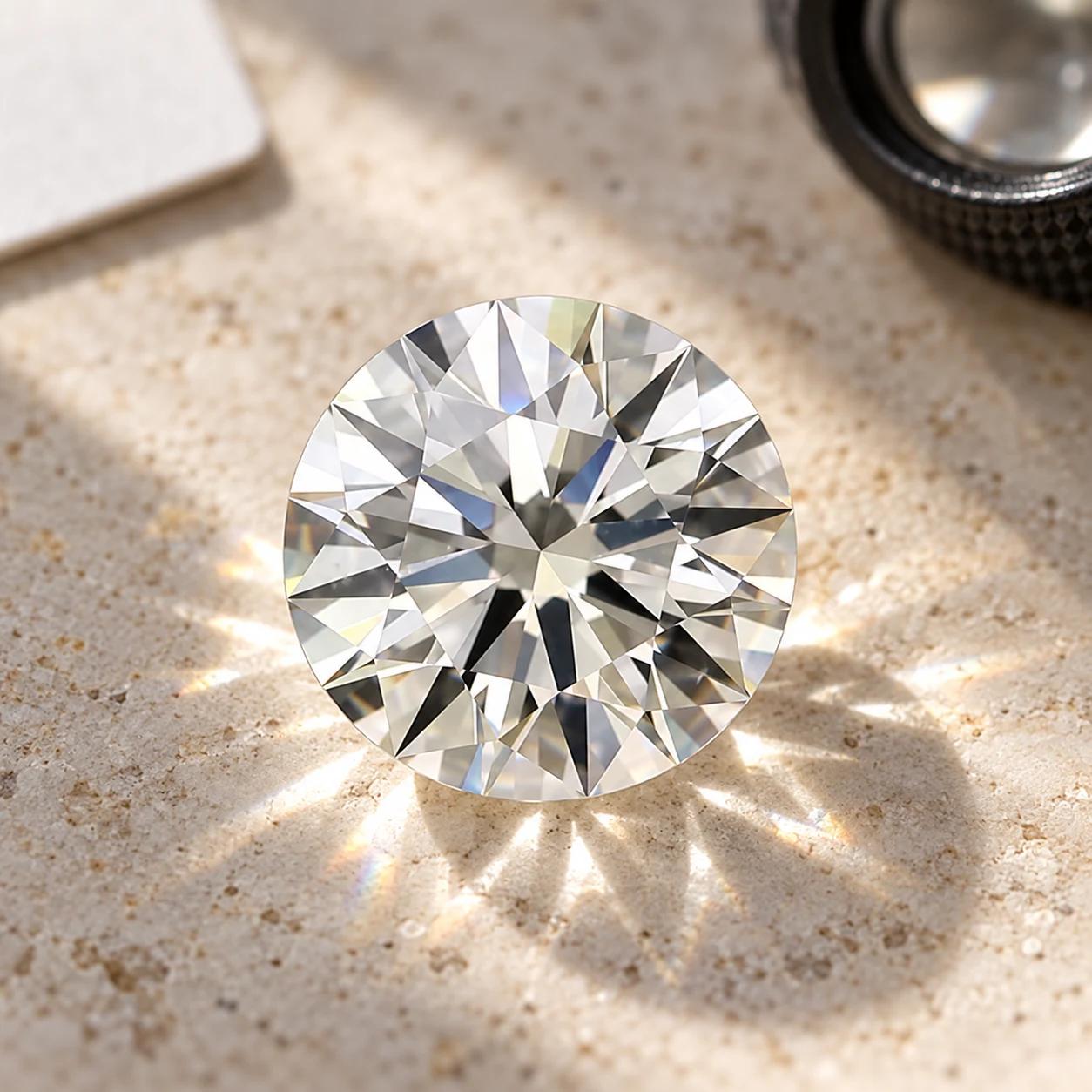
Cut
Cut controls how the diamond handles light and how efficiently it uses its weight. It is the first quality tradeoff to protect.
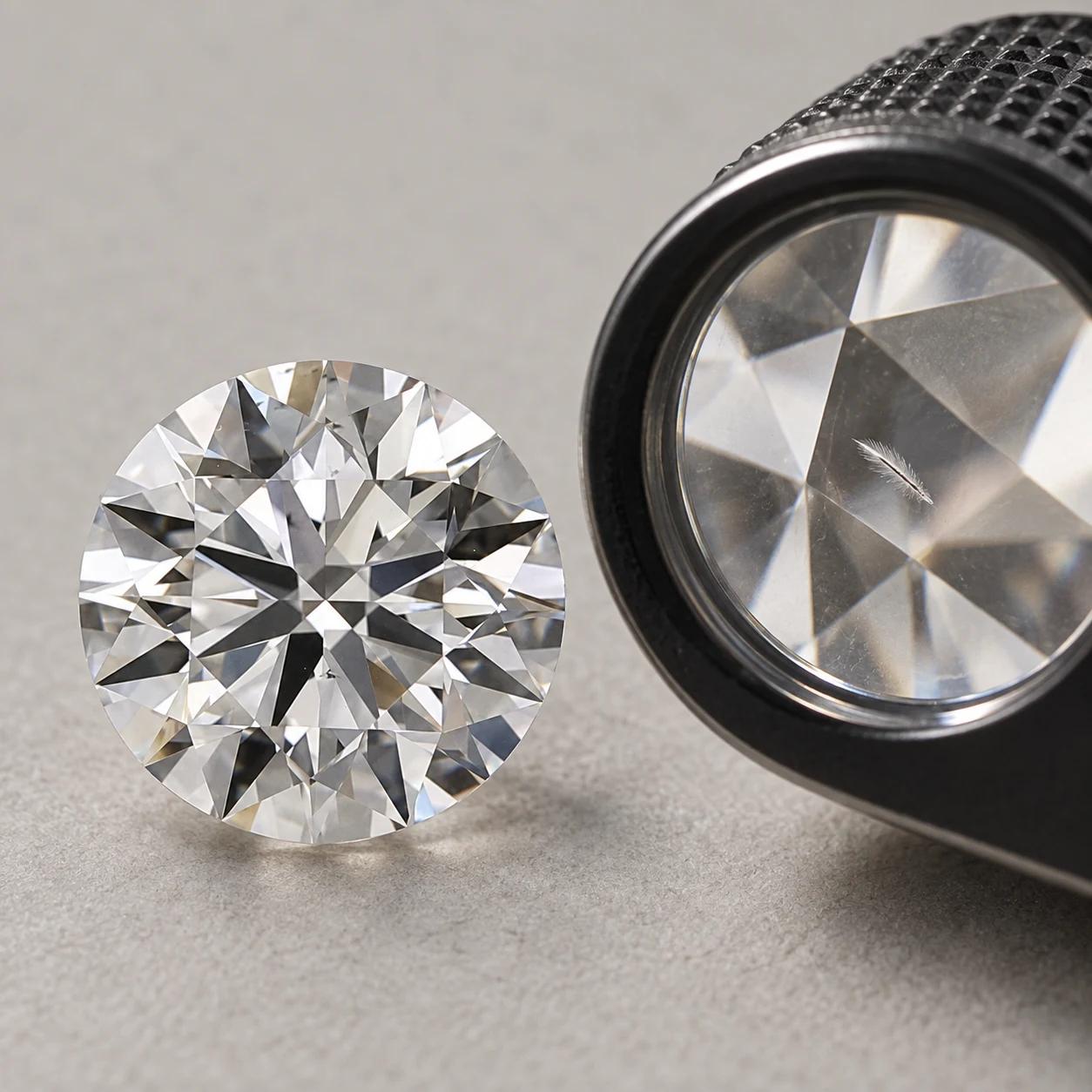
Clarity
Buy the clean appearance and safe inclusion profile you need. Avoid paying for microscopic rarity you cannot see.
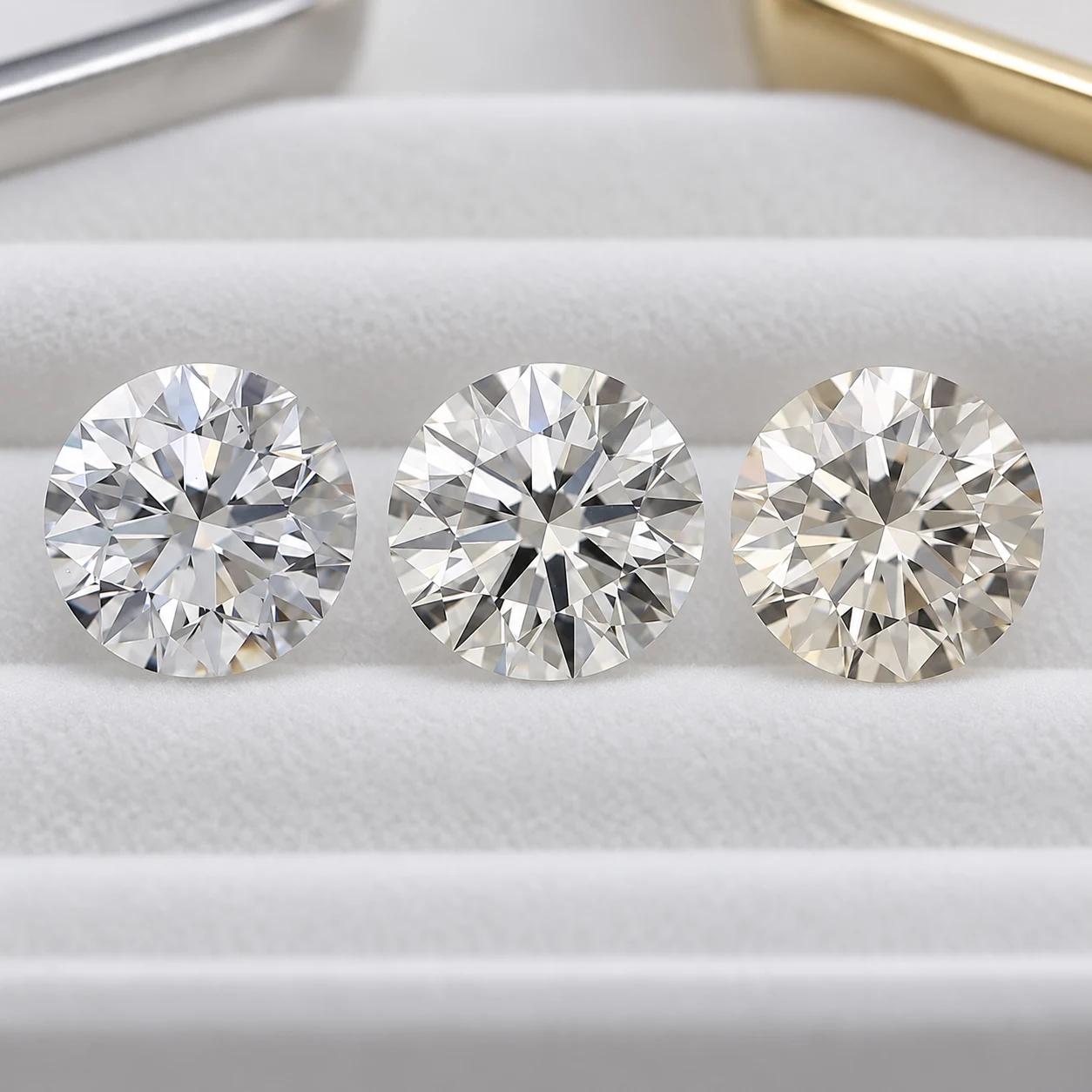
Color
Judge color with the shape, setting metal, side view, and your own sensitivity in mind.
Carat
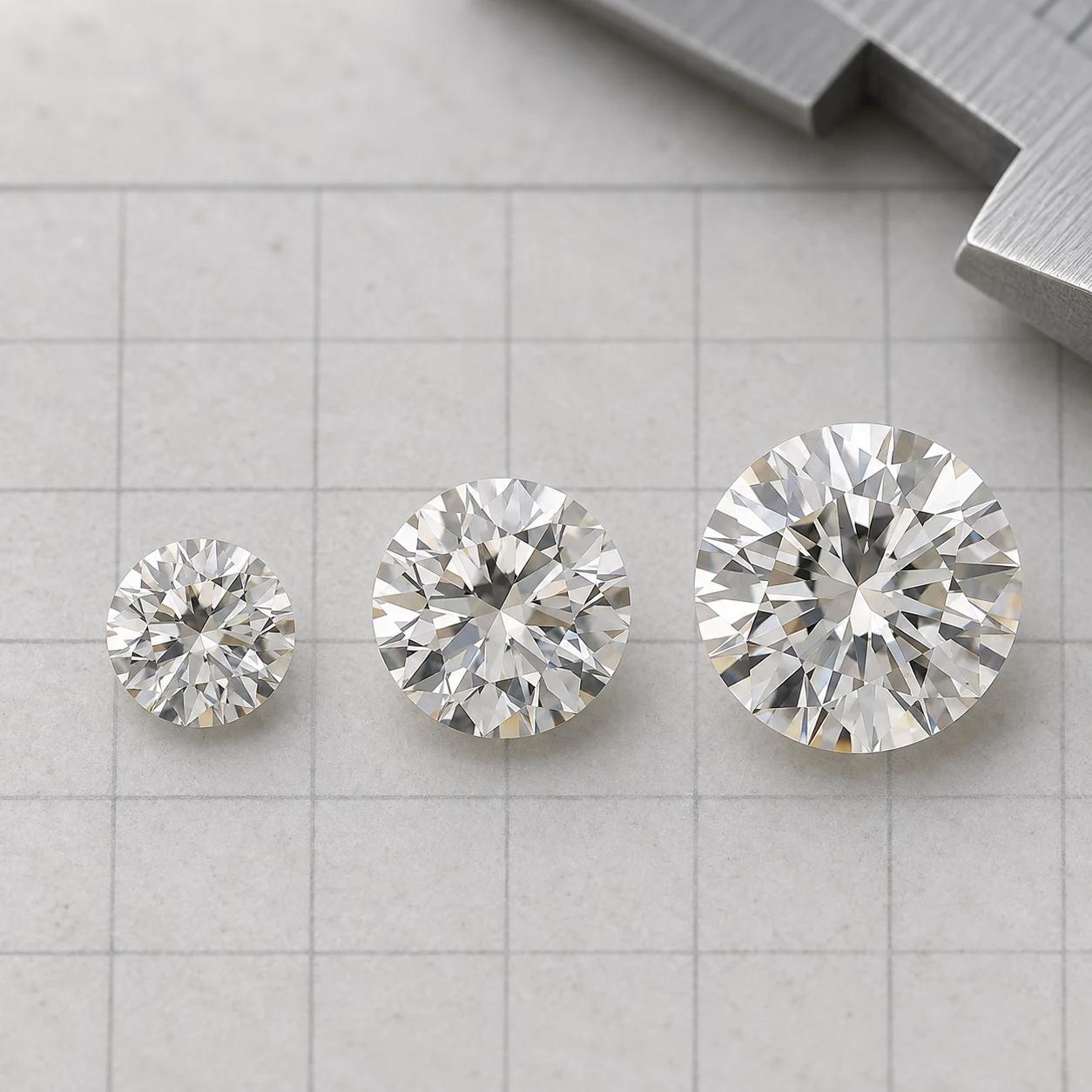
Carat is weight. Compare millimeter dimensions and face up spread before paying for a milestone number.
Start broad. Then solve the exact risk.
Natural Diamonds 101
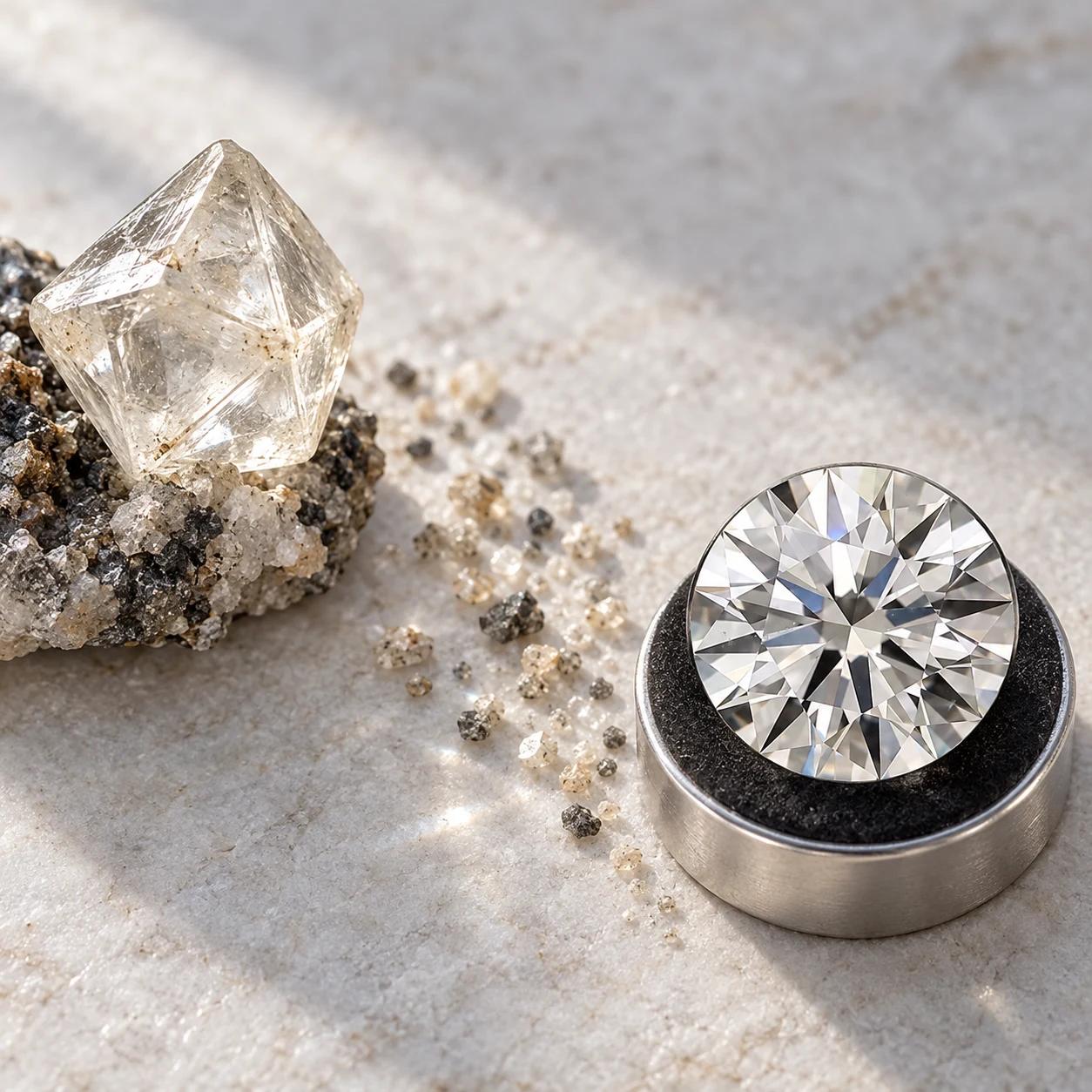
Understand natural origin, rarity, reports, and the basic buying sequence.
Start with the basics↗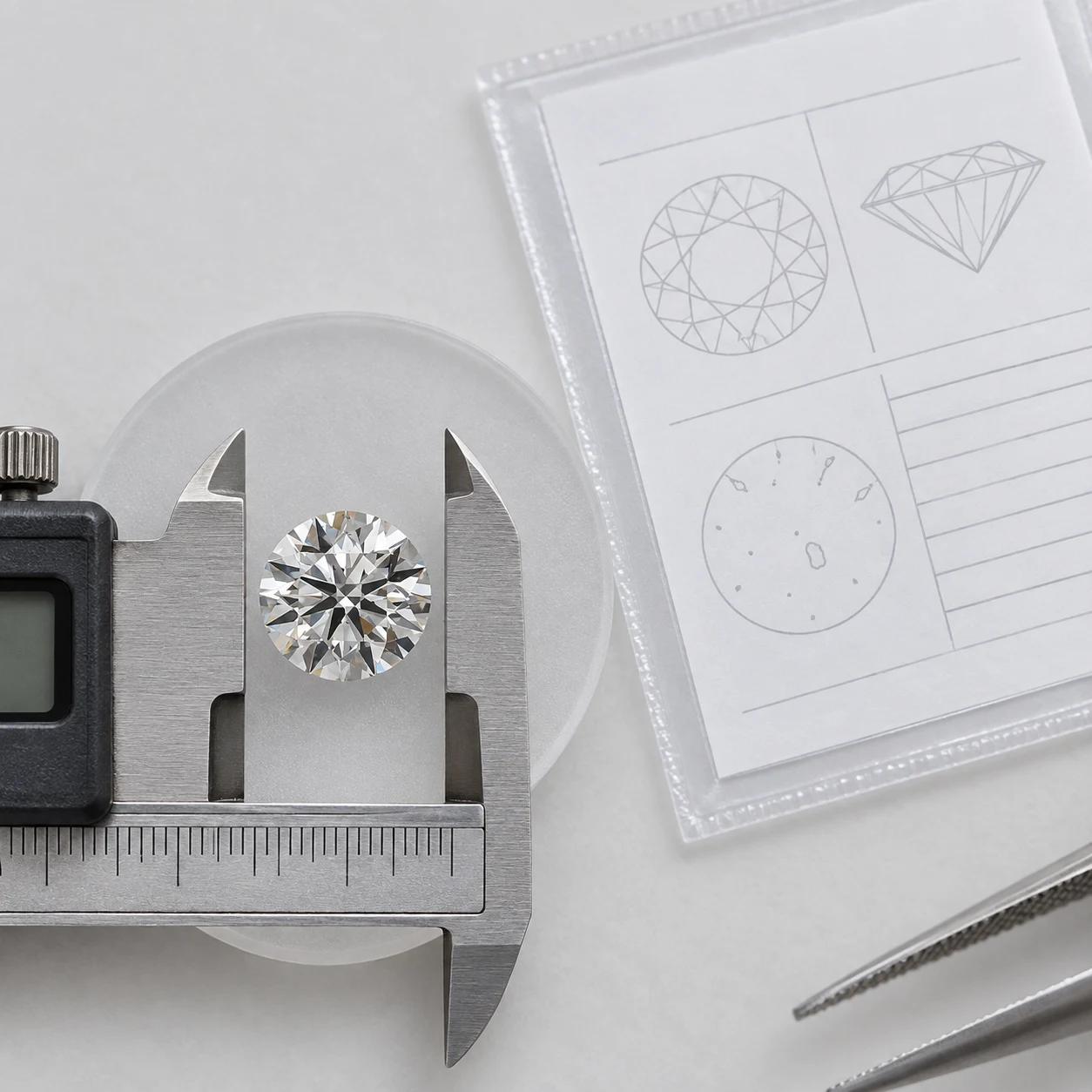
GIA report guide
Read the measurements, grades, plot, comments, fluorescence, and finish before trusting the listing.
Read the GIA guide↗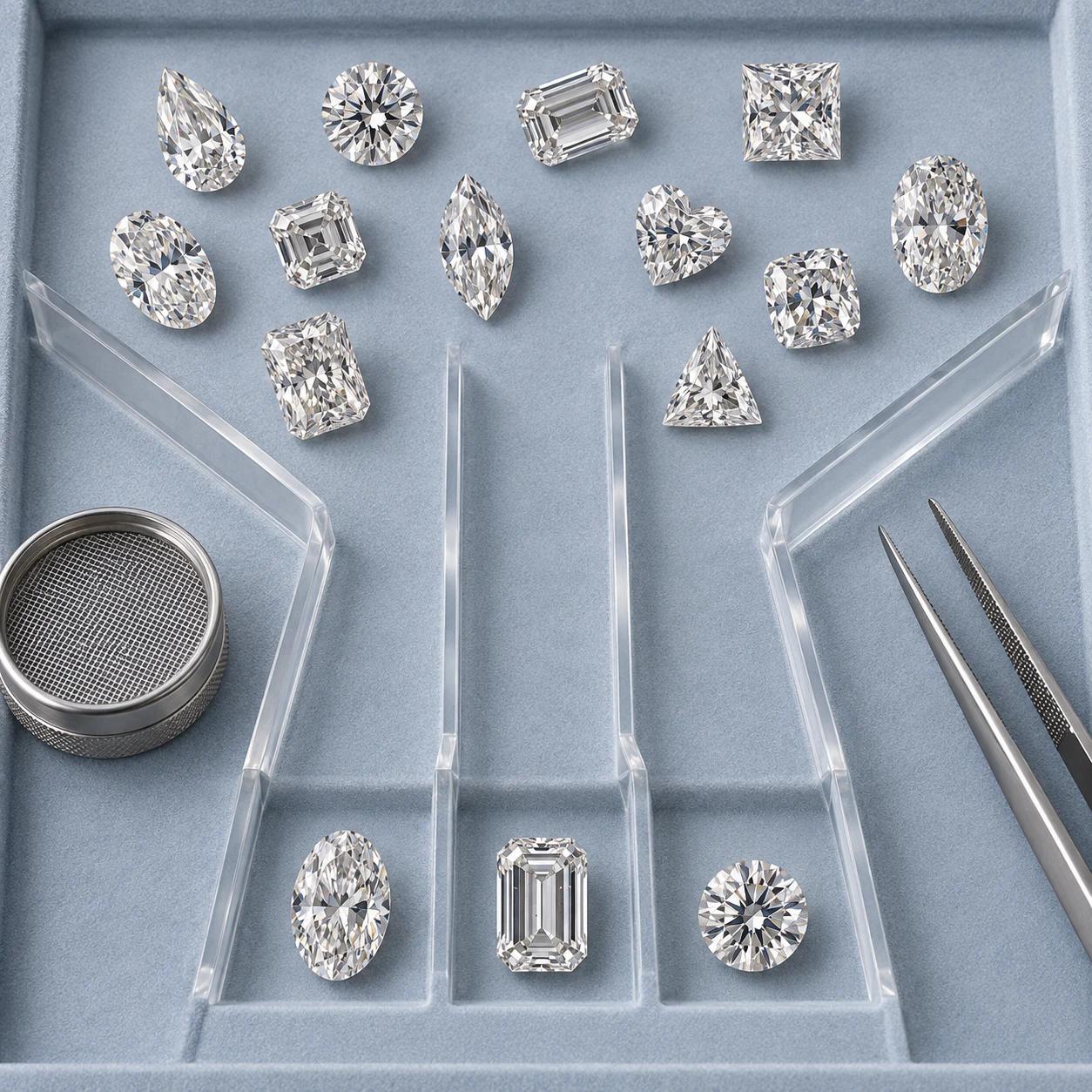
Natural diamond filters
Use filters to reduce the inventory without pretending the numbers can approve the final stone.
Use the filter guide↗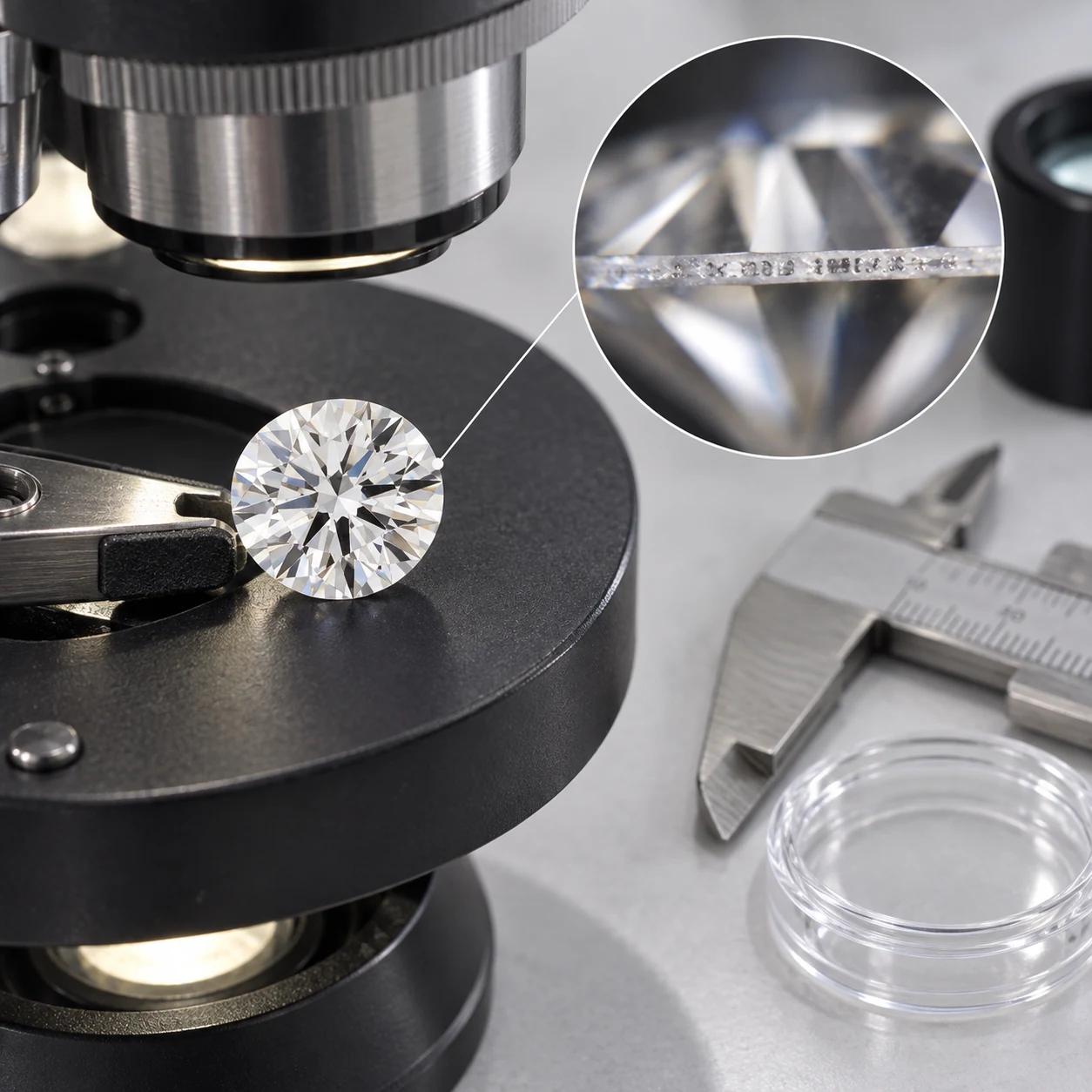
Verify a natural diamond
Match the listing, report, inscription when applicable, and delivered stone before the return period ends.
See the verification steps↗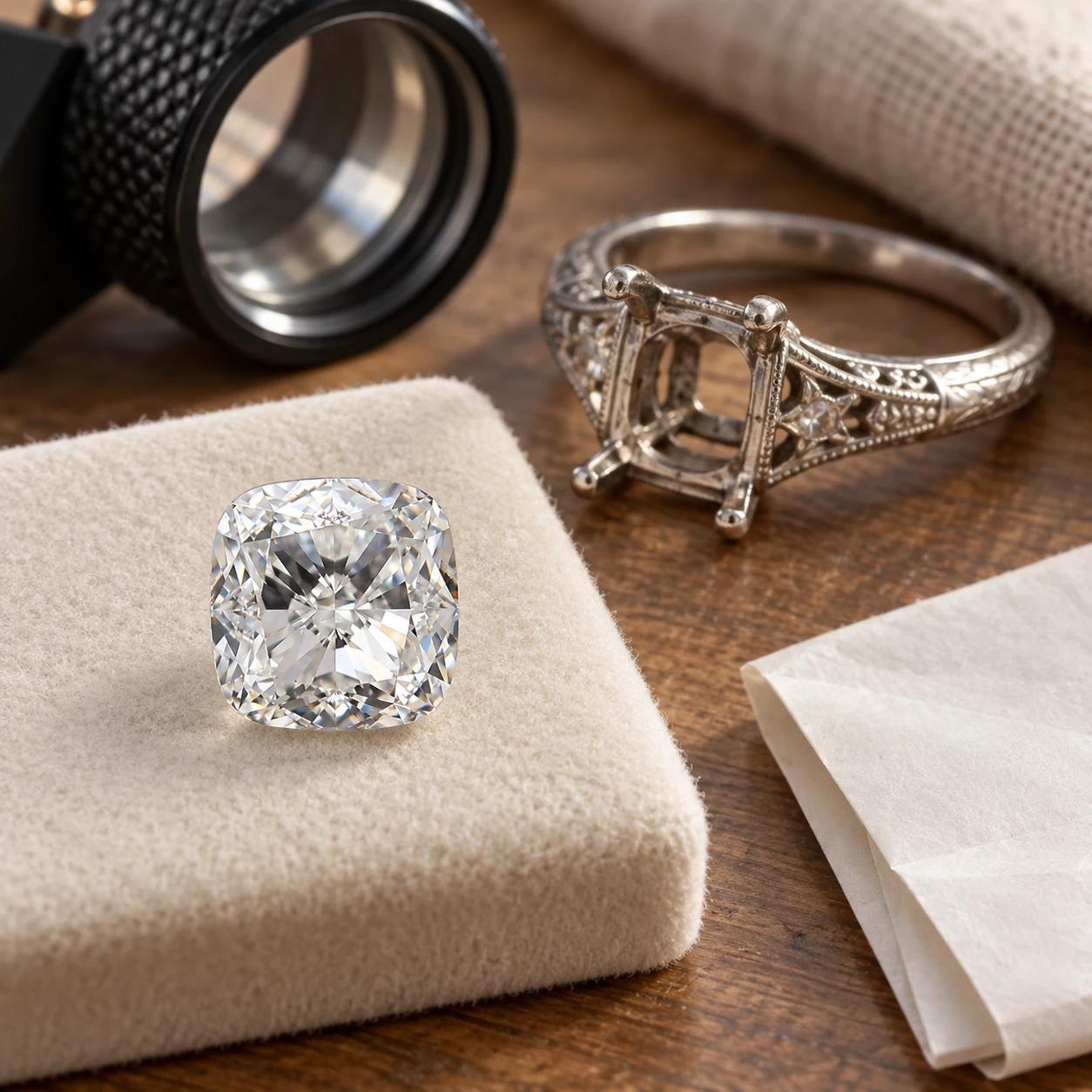
Pre owned natural diamonds
Separate the diamond’s report and condition from the story, mounting, and resale language.
Read the pre owned guide↗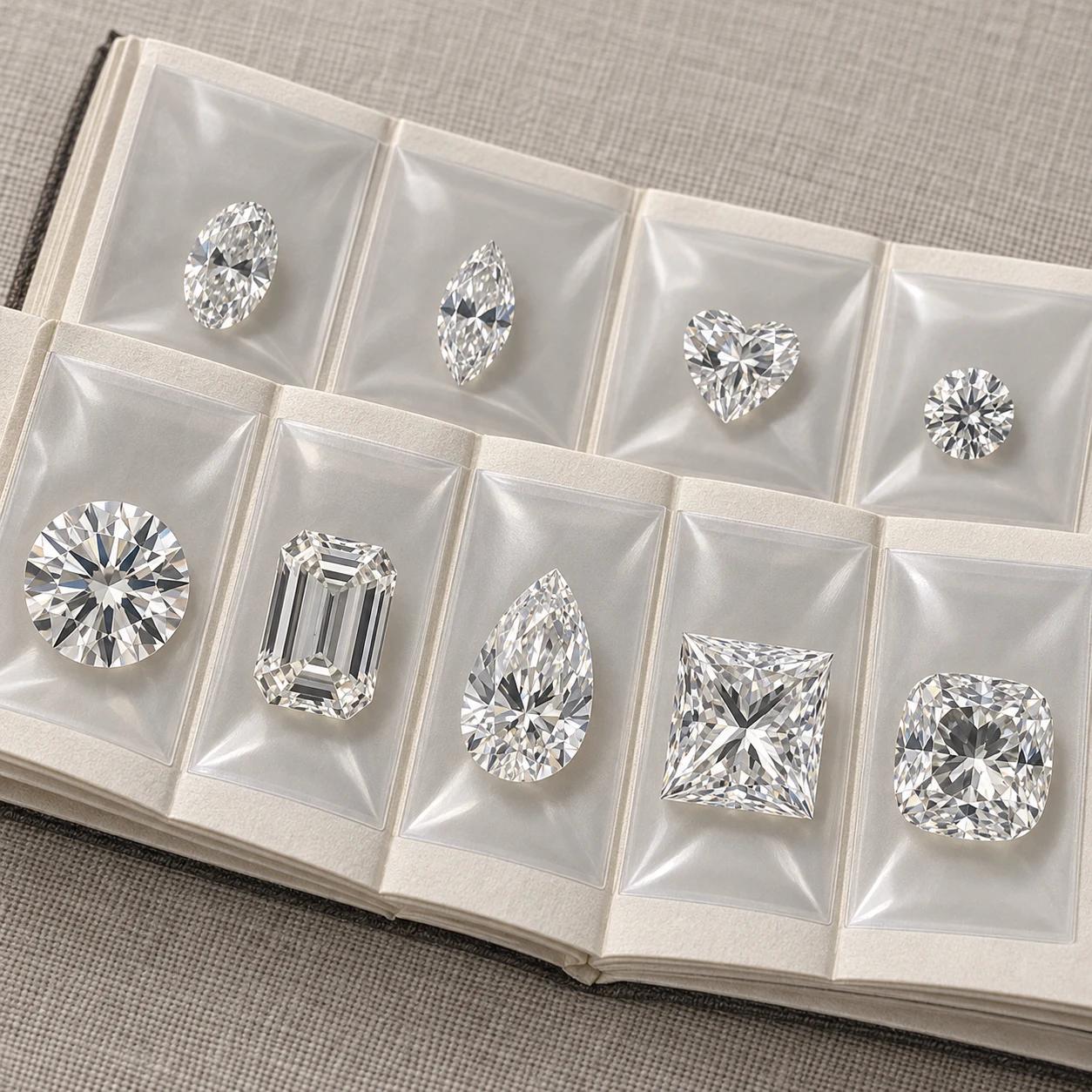
Browse natural diamonds
Use the catalog to build a shortlist, then bring the actual listings back to the review process.
Explore natural diamonds↗Do not use round rules on a fancy shape.
Ovals and marquises need bow tie and outline checks. Emerald and Asscher cuts need windowing, contrast, clarity, and color attention. Cushions and radiants can carry weight or show very different facet patterns at the same grade.
Choose the guide for your diamond shape→Have two finalists?
Send both listings. Use the same evidence for each stone and name the tradeoff that matters most to you.
Compare two diamonds↗Before you build the shortlist
We’ll help you separate a promising report from a promising diamond.
Send the report, price, images, and the question you want answered.