Best Diamond Clarity for Engagement Rings
By Josh Allen, Co-Founder of YourDiamondGuys.com. Fifth generation diamantaire with 30+ years in the global diamond trade. Former supplier to Tiffany & Co., Cartier, and Harry Winston.
For most engagement rings, I start around VS2 or a clean SI1. Then I move up or down based on shape, size, setting, and how picky the buyer is about seeing anything under the clarity window.
Engagement rings get stared at. That matters. A clarity tradeoff that looks fine in a spreadsheet can feel annoying when the ring is on the hand every day.
The GIA report starts the conversation, but it does not finish it. I want the actual video, the inclusion location, and the setting plan.
Trade desk rule: buy the lowest clarity that stays eye clean and safe. Put the extra money into cut, size, or the ring design.
Start At VS2, Then Adjust
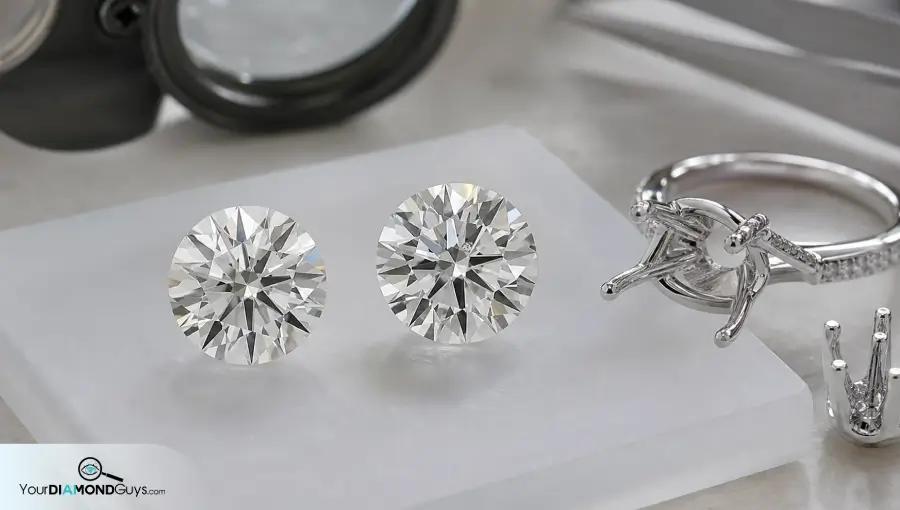
VS2 is a strong starting point because many stones look clean without pushing the price into luxury clarity. VS1 becomes useful when the shape is open or the stone is large.
VVS is usually emotional insurance, not a visual upgrade. Buy it when the clean report matters to you personally, not because a salesperson made you afraid.
When A Clean SI1 Works
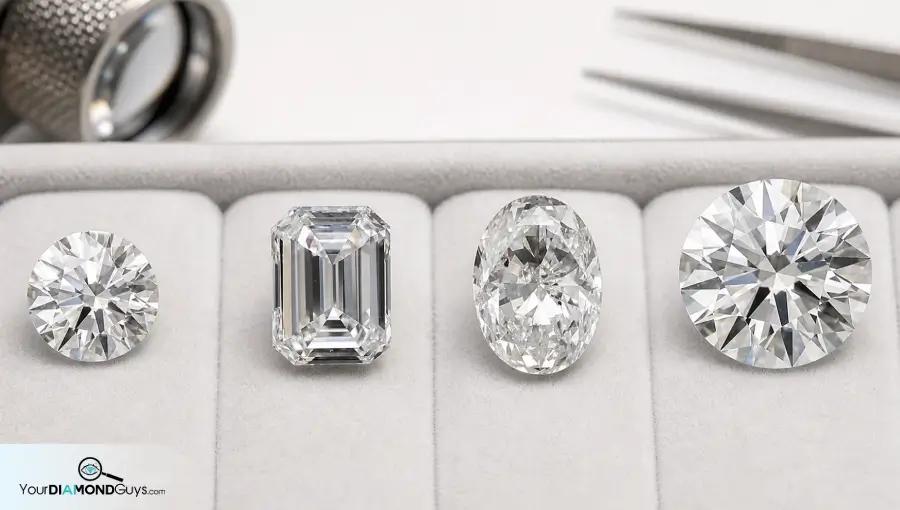
A clean SI1 works best in rounds, many cushions, some ovals, and stones with white or edge placed inclusions. It fails when a black mark sits under the table.
| Ring Situation | Clarity Range I Check First | Buyer Move |
|---|---|---|
| Round brilliant under 1.50 ct | VS2 to clean SI1 | Spend more attention on cut |
| Oval, pear, or cushion | VS2 first, SI1 if video is clean | Check the center and tips |
| Emerald or Asscher | VS1 to VS2 | Be strict with table marks |
| Large center stone | VS1 to VS2 | Increase standard as size increases |
When To Move Higher For The Ring
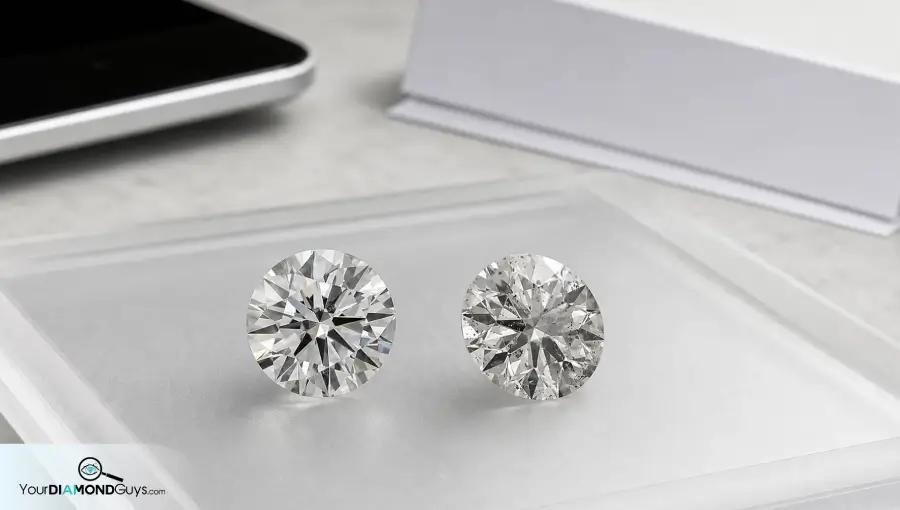
Move higher when the diamond is a step cut, when the carat size crosses a visible threshold, or when the inclusion sits under the table. This is where location beats the grade name.
Also move higher for buyers who know they will inspect the ring every day. Peace of mind has value when the budget allows it.
Setting And Shape Change The Answer
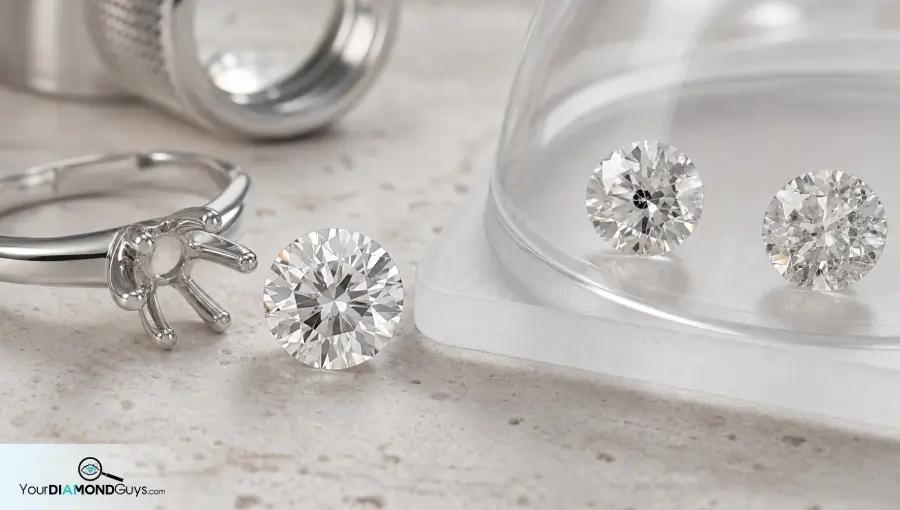
A halo can distract the eye, but it does not fix a dirty center. Prongs can hide a safe edge mark, but only if the mark sits in the right spot. Read the prong hide strategy before you count on the setting.
Long shapes like oval, pear, and marquise also need end checks. A tip inclusion can become a setting conversation fast.
Engagement Ring Clarity Path
- Start with eye clean standards before you pay for extra grade.
- Use inclusions by shape when the cut style changes visibility.
- Use clarity vs cut when the budget gets tight.
- Use clarity vs carat when size is the tradeoff.
Compare Like For Like Before Price
Use Ritani and Blue Nile to compare stones only when shape, carat, color, lab, and cut quality line up. Then compare inclusion position and video. A cheaper VS2 with a bad table mark is not value.
If the lower clarity stone looks clean and the cut is stronger, that is the kind of tradeoff I like.
Questions To Ask About Engagement Ring Clarity
- Is this clarity grade clean enough for daily close viewing?
- Does the setting help hide anything, or is the center stone clean by itself?
- Would this same grade still work if the stone were larger or a step cut?
- Am I paying for clarity I will see, or only for a cleaner report?
How to Upgrade Your Diamond Ring (Resetting Guide)
Questions? Reach out directly for a free consultation, or drop them in the Diamond Buyers Academy community — Rob and Josh answer personally.
Engagement Ring Clarity FAQs
*Some links on our site may earn us a small commission at NO EXTRA cost to you, helping us keep our content free*