Clarity vs Cut: Where to Spend First
By Josh Allen, Co-Founder of YourDiamondGuys.com. Fifth generation diamantaire with 30+ years in the global diamond trade. Former supplier to Tiffany & Co., Cartier, and Harry Winston.
Spend on cut before you chase extra clarity. Once a diamond is eye clean and structurally safe, better cut usually changes the look more than a higher clarity grade.
A diamond with a cleaner report can still look dull. A better cut diamond with a quiet clarity tradeoff can look alive on the hand.
The GIA report matters, but cut performance needs numbers, video, and real brightness. Do not buy paper clean and visually flat.
Trade desk rule: after clean and safe, sparkle beats invisible clarity.
Cut Shows Up Before Extra Clarity
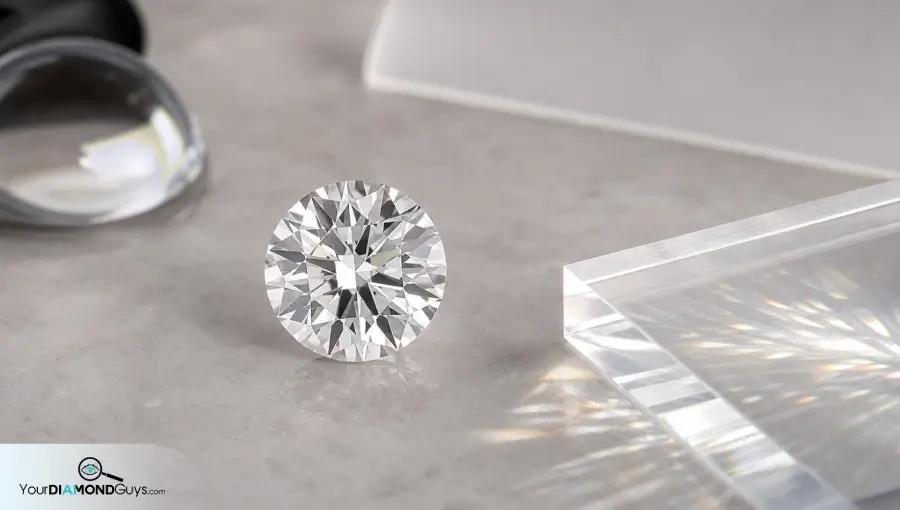
Your eye sees brightness, fire, and contrast before it notices a tiny hidden inclusion. That is why I would rather have an excellent looking VS2 than a dull VVS.
For round brilliants, I like the tight zone: table 56 to 58 percent, depth 60 to 62.4 percent, crown angle 34 to 35 degrees, pavilion angle 40.6 to 41 degrees, Excellent polish and symmetry, and none to faint fluorescence.
When Higher Clarity Still Wins
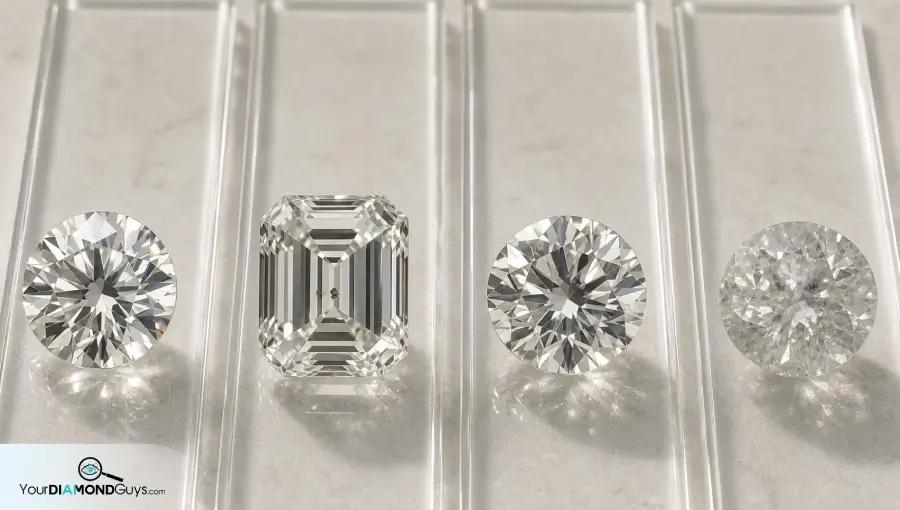
Higher clarity wins when the lower clarity stone is not actually clean or safe. A black table crystal, risky feather, haze, chip, or cavity beats the cut argument.
| Choice | What I Choose | Reason |
|---|---|---|
| Eye clean VS2 vs VVS with same cut | VS2 | Most buyers see no clarity difference |
| Great cut SI1 with black table mark | Move higher | The inclusion is visible |
| Excellent cut hazy diamond | Reject | Transparency kills beauty |
| Weak cut VVS vs strong cut VS2 | Strong cut VS2 | Sparkle wins daily |
Round Brilliant Spend Order
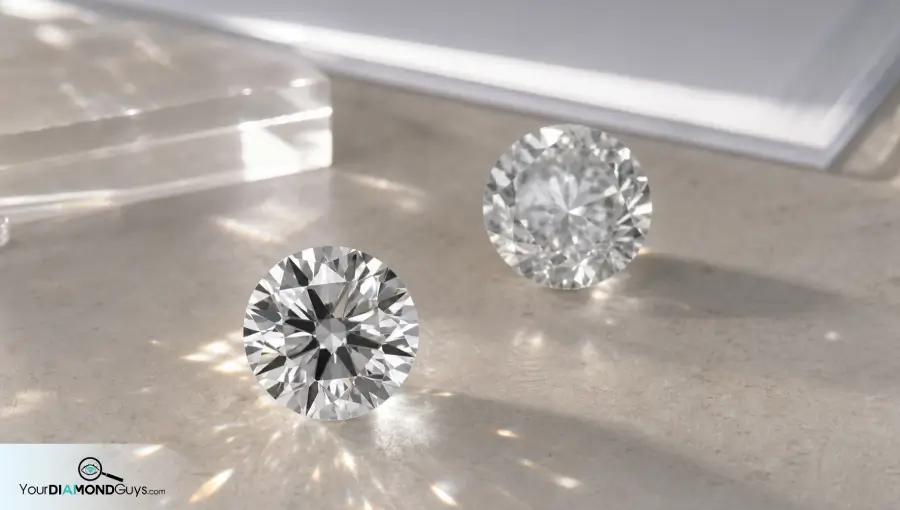
For rounds, prioritize cut quality first, then eye clean clarity, then size and color tradeoffs. Use diamond cut quality as the main filter before the clarity upgrade.
Do not let a clean report distract you from leakage, poor spread, weak contrast, or a lifeless video.
Cut And Clarity Decision Matrix
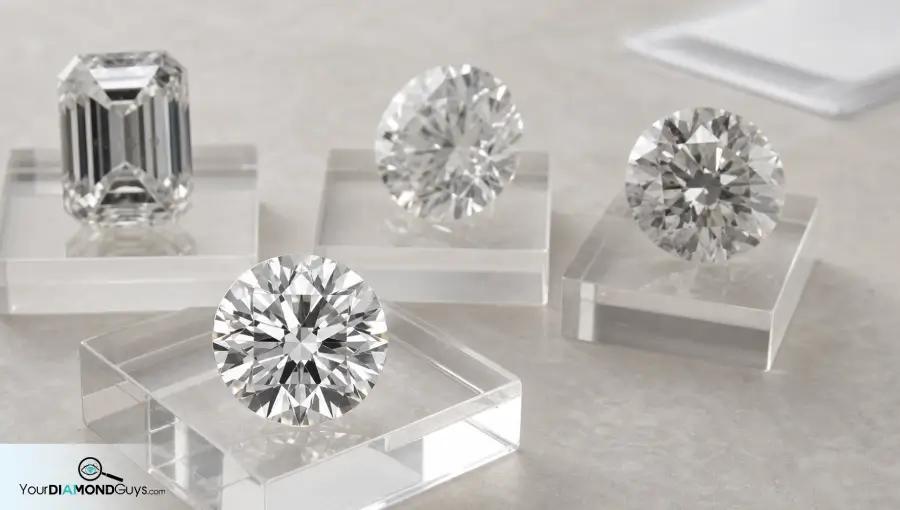
- If both stones are eye clean, choose the better cut.
- If one stone is visible or risky, choose the safe stone first.
- If a higher clarity stone looks dull, do not reward the report.
- If the lower clarity stone is bright, safe, and priced well, it is the one I study harder.
Budget Links For Cut And Clarity
- Use clarity vs carat when size competes with clarity.
- Use best clarity for engagement rings when you need a starting grade.
- Use clarity pricing when the discount needs to make sense.
Compare Sparkle Before Report Cleanliness
Use Ritani and Blue Nile to compare diamonds with the same shape, size, and color, then sort by cut quality and video brightness. Do not let VVS beat a brighter VS2 just because the report looks cleaner.
If both are clean and safe, the livelier diamond is usually the better engagement ring.
Questions To Ask When Cut And Clarity Compete
- Are both diamonds truly eye clean and safe?
- Does the cleaner diamond have weaker light return?
- Do the round proportions sit in the tight performance range?
- Will I notice the clarity upgrade, or only the loss of sparkle?
Color or Clarity? Cut or Size? Round or Oval?
Questions? Reach out directly for a free consultation, or drop them in the Diamond Buyers Academy community — Rob and Josh answer personally.
Clarity Vs Cut FAQs
*Some links on our site may earn us a small commission at NO EXTRA cost to you, helping us keep our content free*