How to Read Diamond Measurements, Length × Width × Depth
By Josh Allen, Co-Founder of YourDiamondGuys.com. Fifth generation diamantaire with 30+ years in the global diamond trade. Former supplier to Tiffany & Co., Cartier, and Harry Winston.
How we evaluate proportions: We start with the GIA millimeter measurements, compare the face up footprint with similar stones, then use depth and video to see where the remaining weight sits. The report gives us the map. The actual diamond proves the result.
Here is how to read diamond measurements, fancy shapes list length, width, and total depth in millimeters, while rounds list minimum diameter, maximum diameter, and depth.
A 1.00 carat diamond can look smaller than a 0.92 carat diamond because weight can sit below the girdle instead of across the top. That is why I read length, width, and depth before I get excited about carat.
On the trading floor, we compare millimeters without thinking twice. Online buyers often skip them because the listing makes carat easier to sort. That small habit can cost real money.
For natural diamonds, start with GIA. GIA explains how measurements appear on a diamond grading report, which gives you the right order for reading round and fancy shape dimensions.
The Short Answer
Round diamond measurements appear as minimum diameter × maximum diameter × depth. Fancy shape measurements appear as length × width × depth. All three values use millimeters.
Length and width describe the face up footprint. Depth describes the height from table to culet. Compare the first two numbers within the same shape and carat neighborhood, then use depth to investigate where the remaining weight sits.
What Each Measurement Actually Tells You
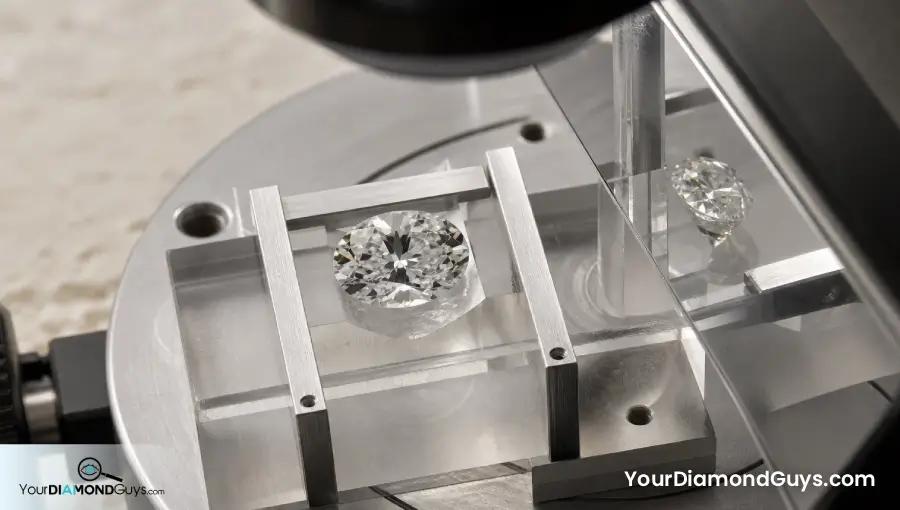
Length is the longest face up span. Width is the widest span across the diamond. Depth is the vertical distance from the table to the culet.
For a round, the first two values are the smallest and largest diameter. Average them when you want one working diameter. For an oval, pear, emerald, cushion, radiant, or princess, the first value is length and the second is width.
The length to width ratio guide turns those first two measurements into an outline number. It tells you whether a fancy shape reads short, balanced, or stretched, but it does not grade beauty.
| Report order | What it describes | What the buyer sees |
|---|---|---|
| Round: minimum × maximum × depth | Two diameters and total height | Roundness, spread, and hidden vertical weight |
| Fancy: length × width × depth | Longest span, widest span, and total height | Outline, finger coverage, and depth |
| Units | Millimeters to two decimal places | A direct size comparison within a shape |
How To Compare Two Rounds
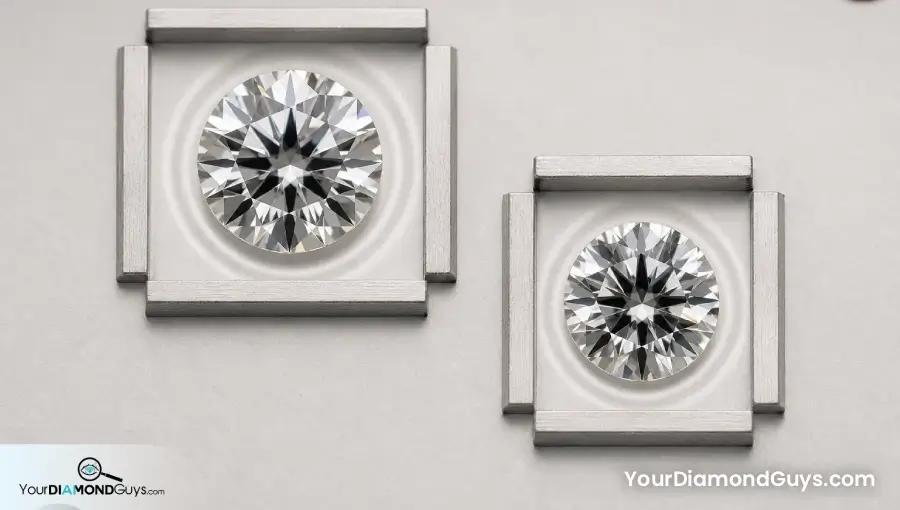
Average the minimum and maximum diameter first. A round listed at 6.38 × 6.42 × 3.94 mm has a working diameter of 6.40 mm. The 0.04 mm difference between the two diameters is small and the outline should read round.
Now compare that 6.40 mm average with other rounds near the same weight. A smaller diameter paired with a high depth percentage points to hidden weight. A large diameter paired with a very shallow crown or pavilion can look wide but lose light.
Do not reward spread by itself. For a natural round, I want GIA Excellent cut, then I narrow around a 56 to 58 percent table, 60 to 62.4 percent depth, 34 to 35 degree crown angle, and 40.6 to 41 degree pavilion angle. Excellent polish and symmetry keep the search clean.
How To Compare Fancy Shapes
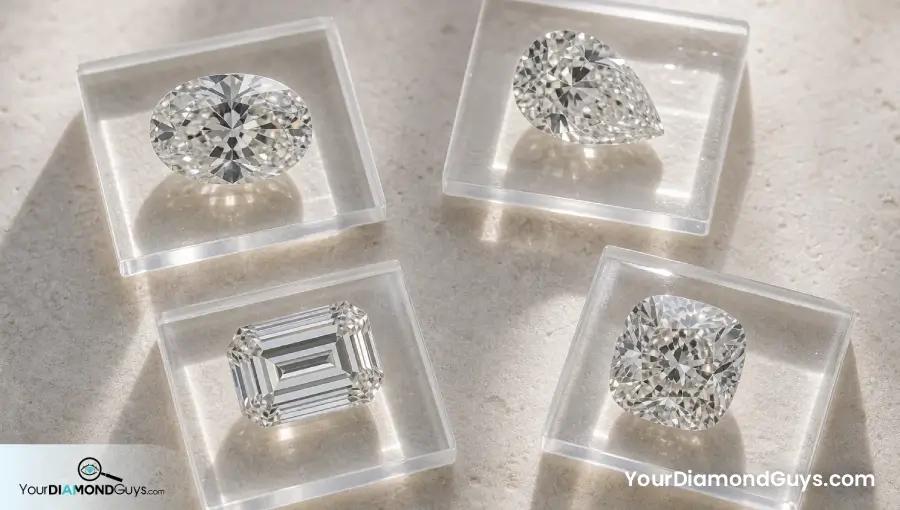
Compare fancy shapes with their own kind. A 9.0 × 6.0 mm oval and a 7.2 × 7.2 mm cushion occupy space differently, so one width number cannot declare a winner.
Use length and width to judge coverage and outline. Then inspect the outline quality, bow tie, windowing, facet texture, shoulders, corners, and points. Those visual details decide whether the footprint looks graceful or awkward.
Depth still matters, but fancy shape depth does not work as a universal grade. The fancy shape proportion limits guide shows why two stones with matching table and depth values can perform very differently.
- Compare ovals with ovals of a similar ratio.
- Compare cushions by outline and facet style before millimeters.
- Compare emerald cuts by ratio, windowing, and step pattern.
- Compare pears by shoulder balance, belly, and tip alignment.
The Fastest Real Size Check
Put carat aside for one minute. Sort three diamonds of the same shape into a tight weight range, record the face up measurements, and compare their videos at the same scale.
The measurements tell you which stone spreads well. The video tells you whether that spread came from smart cutting or from proportions that leak light. Both checks matter.
When the listing video uses a different zoom level, use a known frame or the millimeter data instead of trusting the on screen size. Camera scale can make every diamond look enormous.
How I Read Measurements In A Shortlist
I read the report in this order: shape and cutting style, measurements, carat weight, cut data, then clarity details. That sequence keeps the visible diamond ahead of the marketing filter.
For rounds, I calculate average diameter and check total depth. For fancy shapes, I calculate ratio and inspect the outline. Then I watch the stone move in neutral lighting. The report narrows the list. The actual diamond earns the yes.
A Carat Versus Millimeter Example
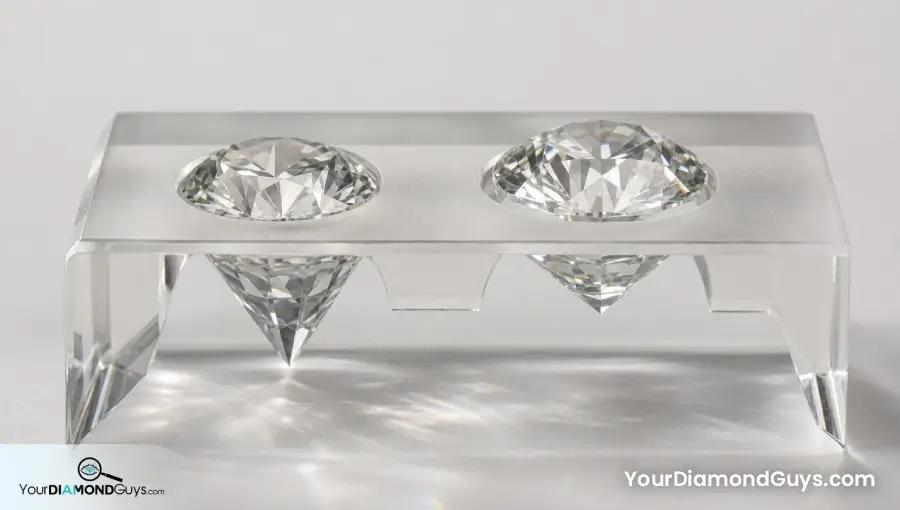
Diamond A weighs 1.00 carat and measures 6.22 × 6.27 × 4.02 mm. Diamond B weighs 0.94 carat and measures 6.30 × 6.34 × 3.88 mm.
Diamond B has the larger visible diameter even though it weighs less. I would next compare cut angles and video. I would not pay more for Diamond A simply because the carat line starts with one.
Mistakes I Would Avoid
- Comparing carat without comparing millimeters.
- Treating depth as face up size.
- Comparing the width of two different shapes as if their outlines match.
- Ignoring a large minimum to maximum diameter difference in a round.
- Trusting listing zoom instead of the report measurements.
Questions To Ask Before Buying
- What are the exact millimeter measurements on the GIA report?
- Does the listing data match the report?
- How does this footprint compare with stones of the same shape and weight?
- Is extra weight hiding in depth or a thick girdle?
- Can I see a neutral video at a consistent scale?
Where To Compare The Proof
Affiliate disclosure: Your Diamond Guys can earn a small commission if you buy through a partner link. It does not change what you pay or which diamond we recommend.
Use Blue Nile and Ritani as large inventory comparison tools. Filter a tight carat range, write down the millimeter measurements, and compare the videos instead of letting the carat sort make the decision.
The Measurement Tradeoff I Would Choose
Buy the footprint and the light, not the carat headline. Measurements expose where the weight sits, but they never replace cut and video.
A well spread diamond that stays bright usually beats a heavier stone that carries invisible weight. That is the comparison worth making.
If you want another set of eyes on the stone, book your free consultation with Your Diamond Guys.
Put The Measurements To Work
Use the diamond report guide for the full certificate. Then calculate length to width ratio, compare depth percentage, and test the face up result with the spread score.
For the complete screening sequence, return to the diamond proportions and measurements guide and connect these millimeters with table, depth, angles, outline, and light return.
The Secret to Making an Oval Diamond Look Significantly Larger
Questions? Reach out directly for a free consultation, or drop them in the Diamond Buyers Academy community — Rob and Josh answer personally.
Questions Buyers Ask Us
*Some links on our site may earn us a small commission at NO EXTRA cost to you, helping us keep our content free*