Diamond quality is how the stone works together.
A diamond can win one grade and lose the buying decision. Cut, clarity, color, size, shape, and the actual visual evidence have to work together.
Your consultation is free. Retailers can pay us a commission on qualifying referrals at no extra cost to you. Read how referrals work.
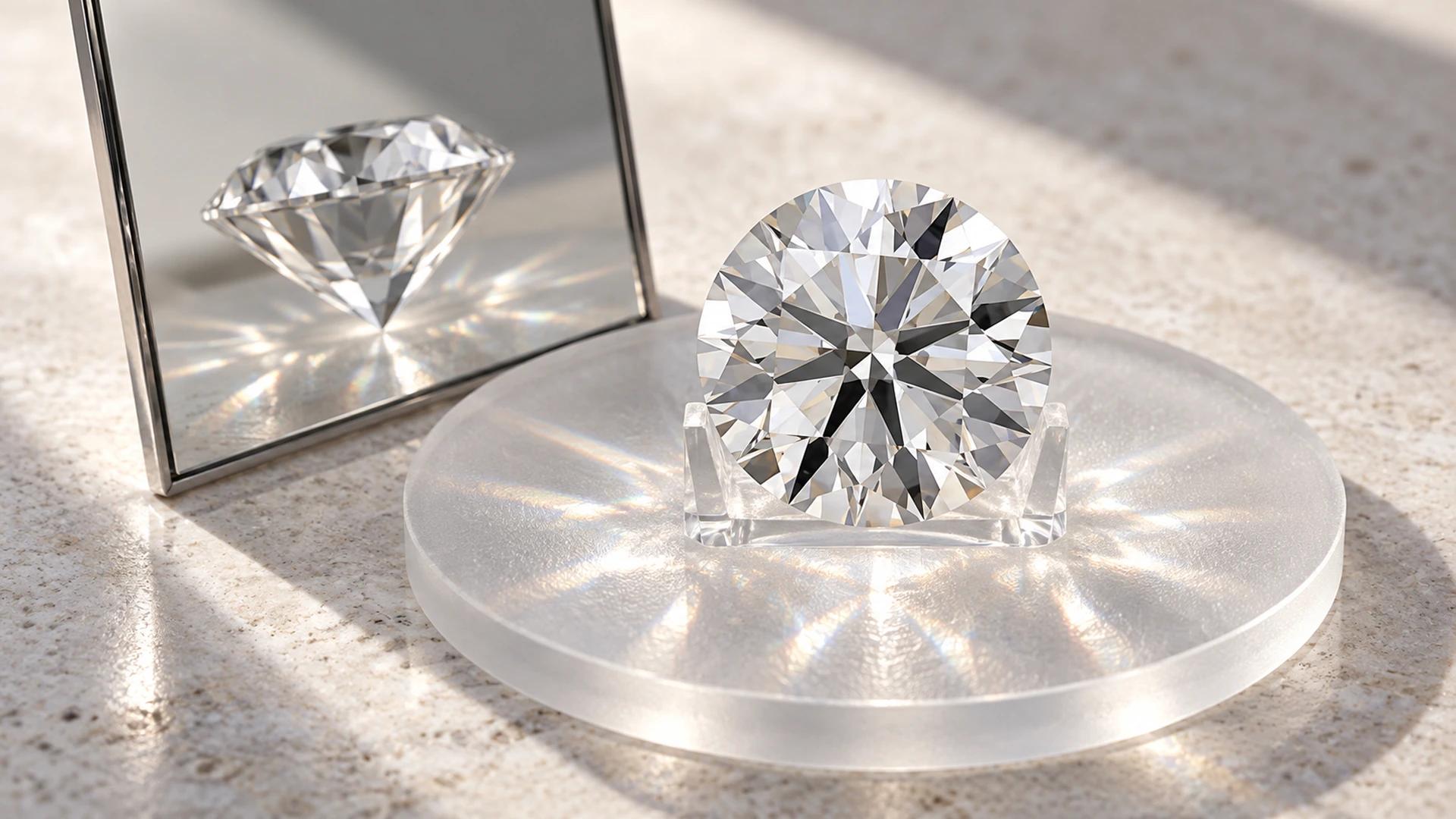
Each quality factor answers a different question.
Cut and light performance
Does the diamond return light well, use its weight efficiently, and show a balanced pattern?
Explore cut quality↗Clarity and inclusions
Are the inclusions visible, distracting, or a durability concern in this specific stone?
Explore clarity↗Color and setting
How warm does the diamond look in its shape, setting metal, lighting, and side view?
Explore color↗Carat and visible size
How much does it weigh, and how much diamond do the millimeter dimensions show from above?
Explore size↗Shape and facet pattern
Does the outline and facet style give you the look you want without a bow tie, window, or dead area?
Explore shapes↗Price and buyer fit
Does the quality improvement change what you see or protect, and is it worth the price for your priorities?
Explore pricing↗The grade is a category. The diamond is an individual stone.
Two diamonds with the same report grades can look different. Inclusion location changes visibility. Proportion combinations change light return. Depth changes visible size. The quality decision happens when the report and the actual stone agree.
Protect the part that makes the diamond work.
For a natural round, start near table 56 to 58 percent, depth 60 to 62.4 percent, crown angle 34 to 35 degrees, and pavilion angle 40.6 to 41 degrees. Look for Excellent polish and symmetry and none to faint fluorescence.
Those are screening preferences for natural rounds. They do not guarantee performance and they do not apply to fancy shapes.
What the report can do
It records grades, measurements, plotted clarity features, comments, fluorescence, and finish.
What the report cannot do alone
It cannot show the full moving light pattern, prove an inclusion is invisible to your eye, or establish whether the asking price is sensible.
Use the Diamond Report↗Name the inclusion before you react to the grade.
A VS2 is not automatically safe. An SI1 is not automatically bad. Type, position, size, number, relief, and visibility decide what the clarity grade means for the buyer.
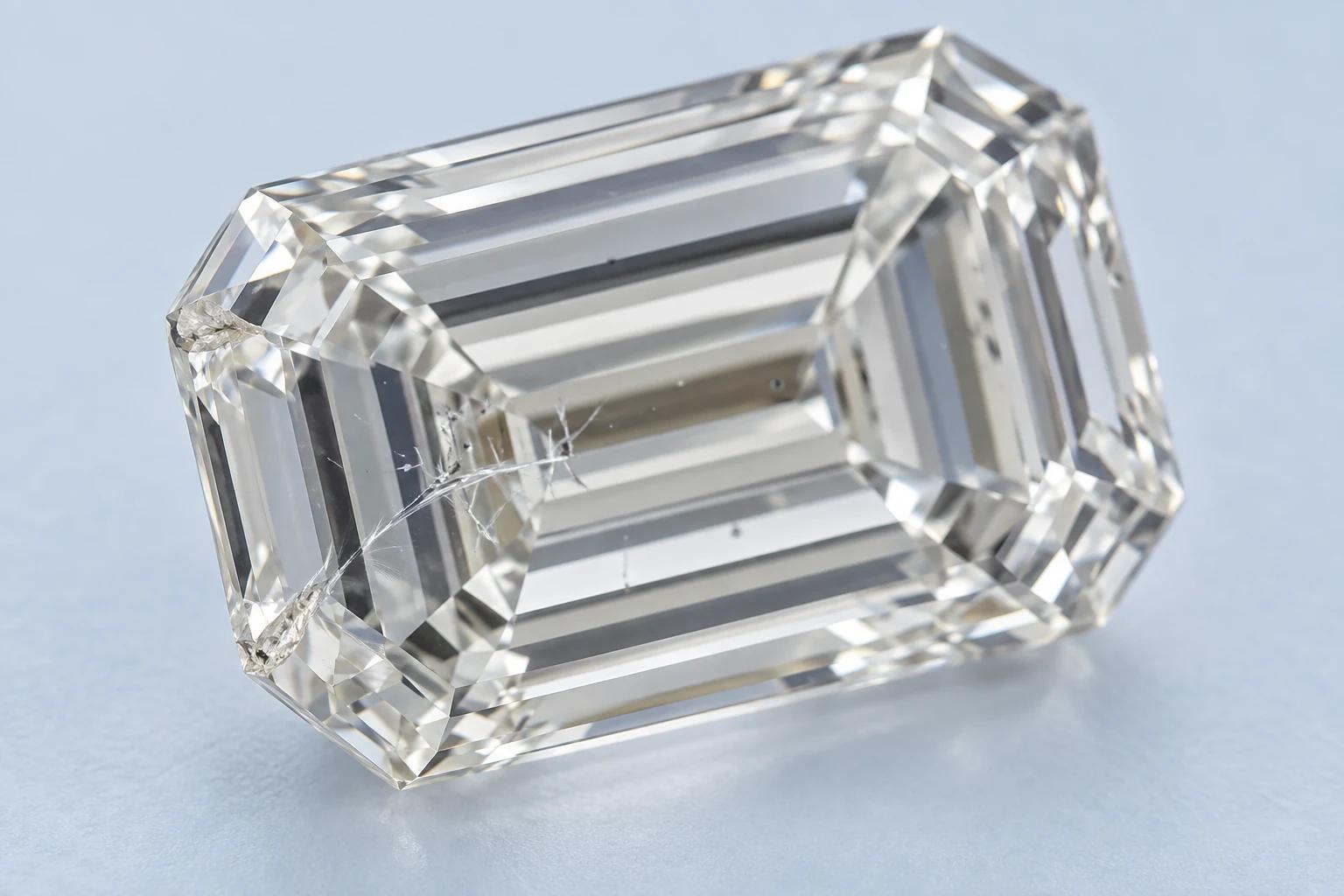
Bruise
Ask where it sits and whether it reaches a vulnerable edge.
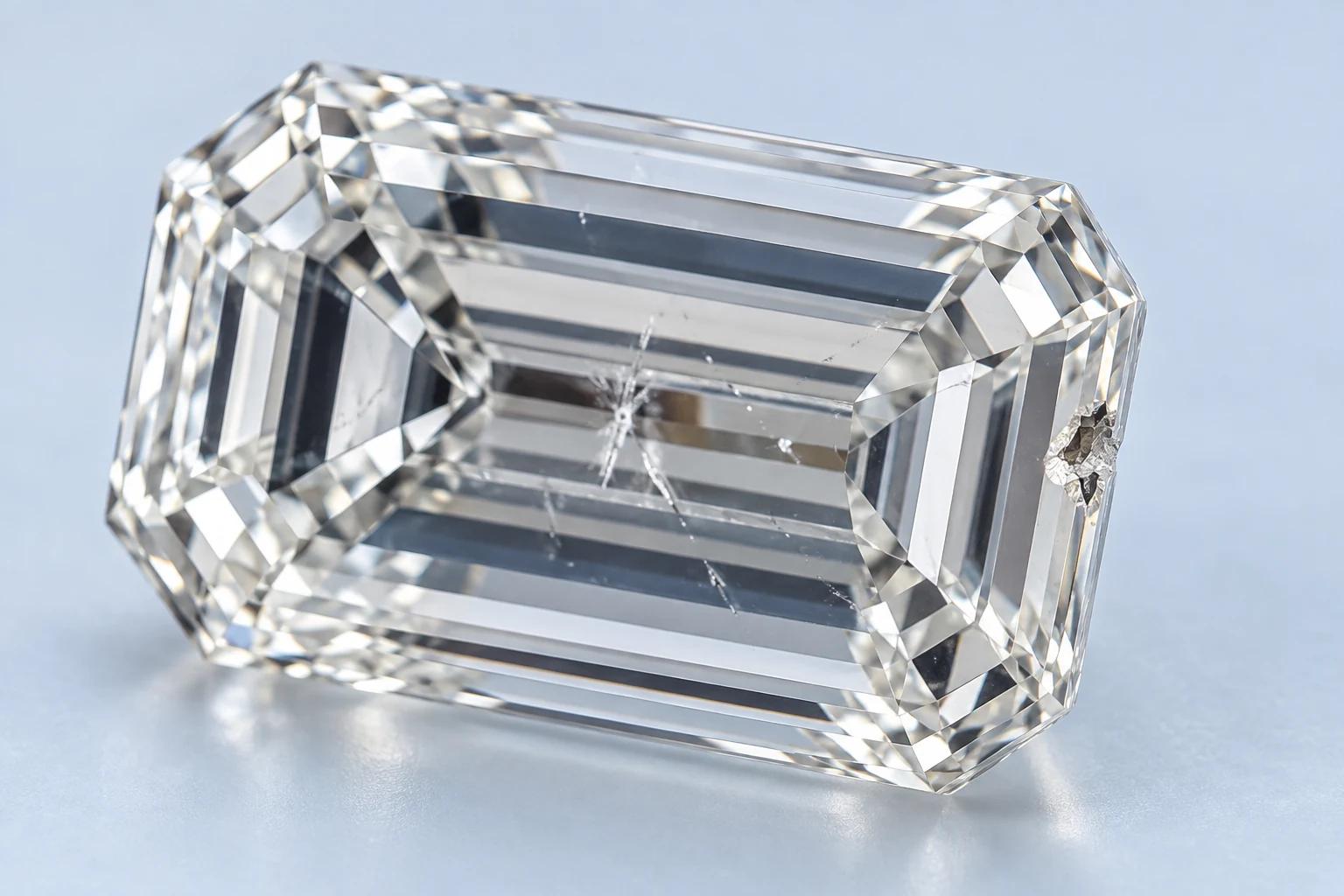
Chip or cavity
Surface reaching features need a durability and setting conversation.
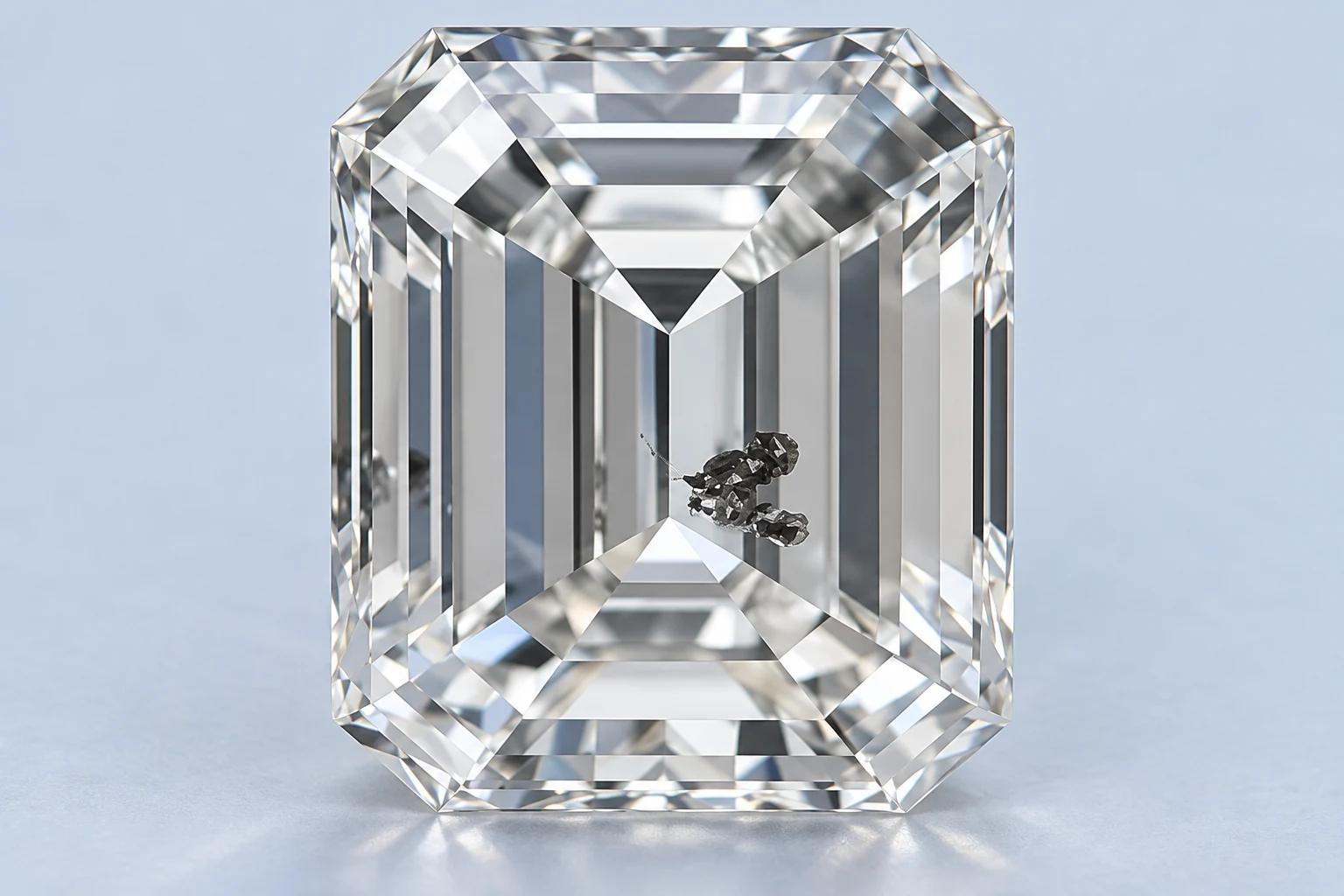
Knot
A crystal reaching the surface deserves close attention.
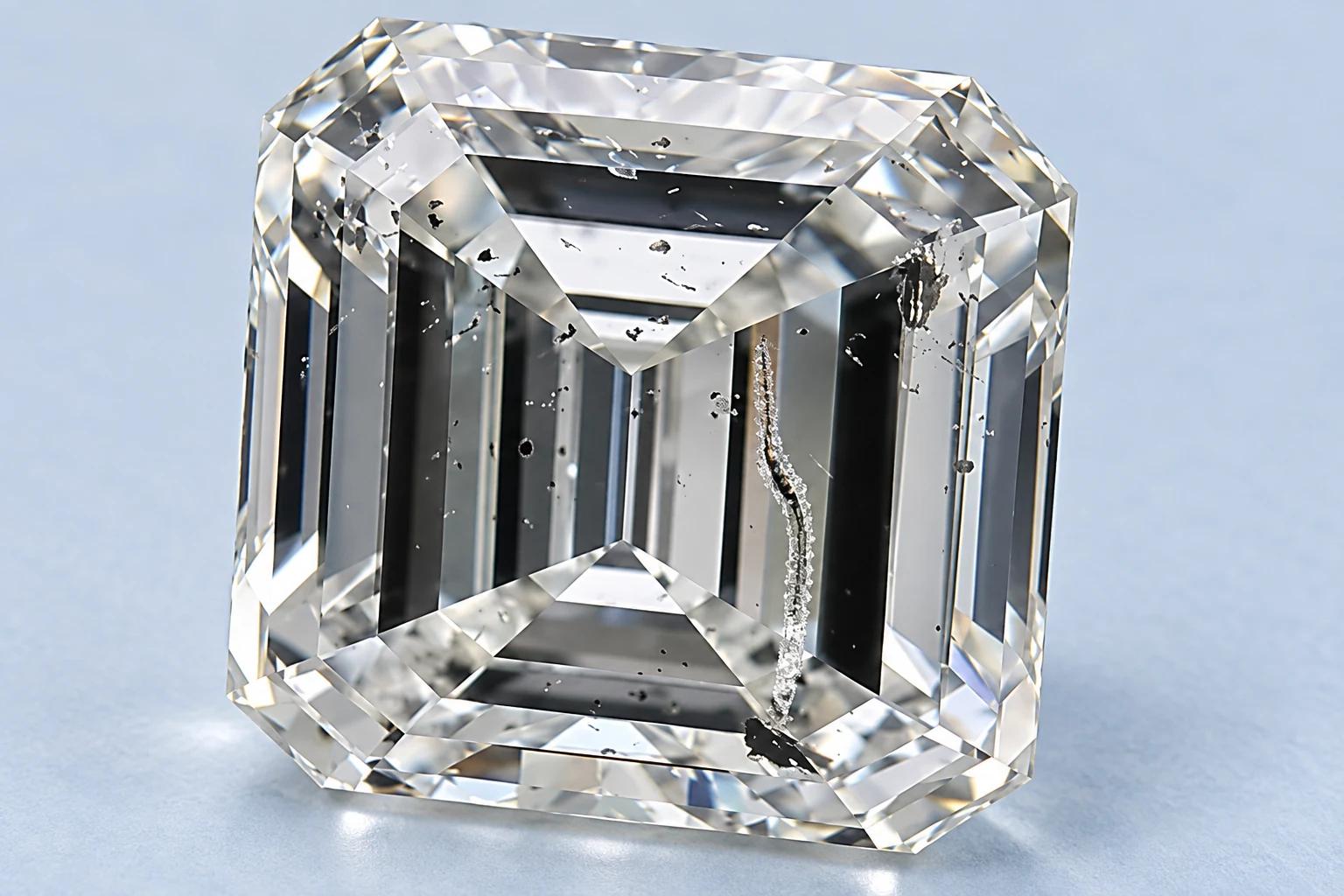
Etched channel
Do not treat an unusual clarity feature like a harmless dot.
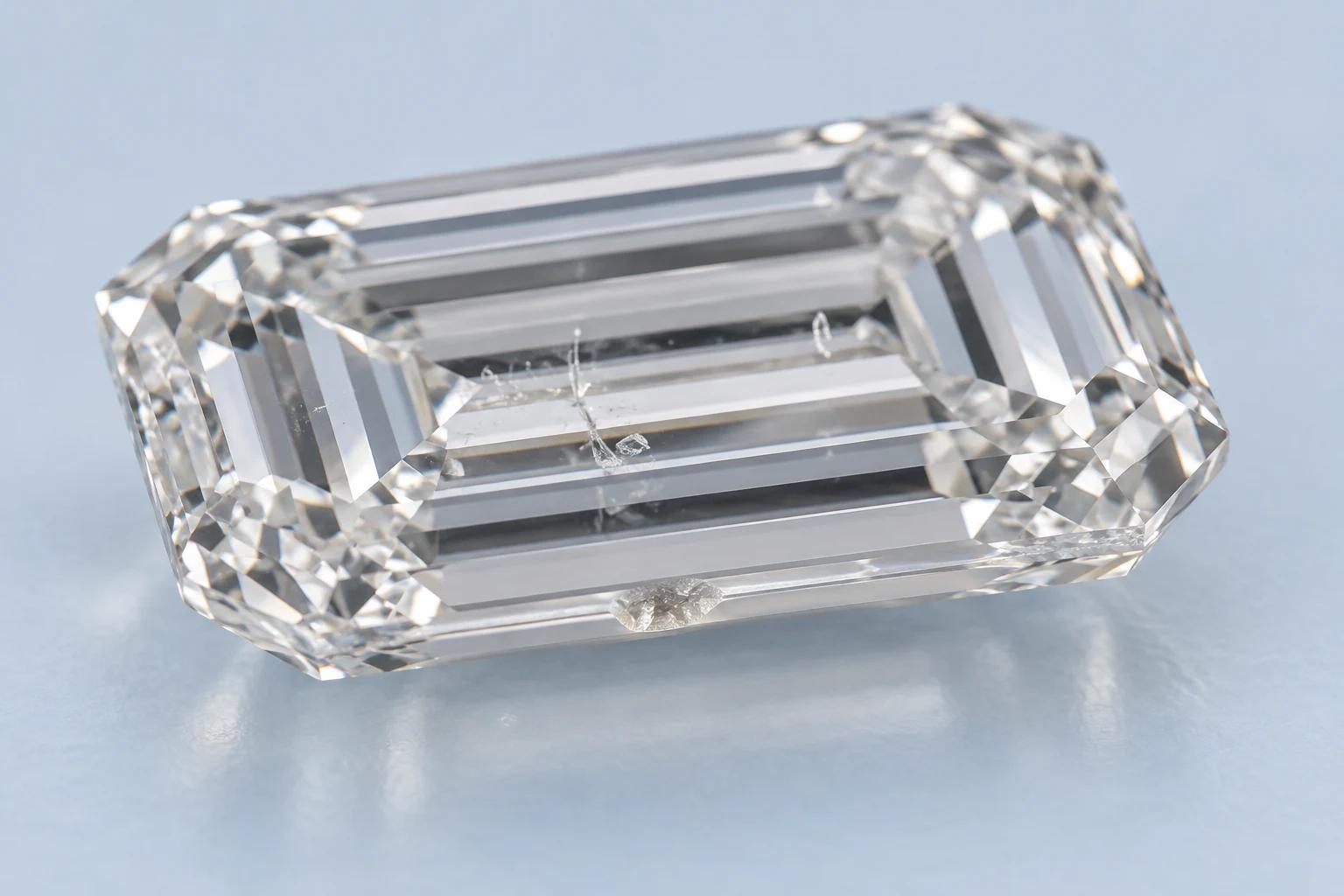
Indented natural
Check the location, depth, and effect on the outline or durability.
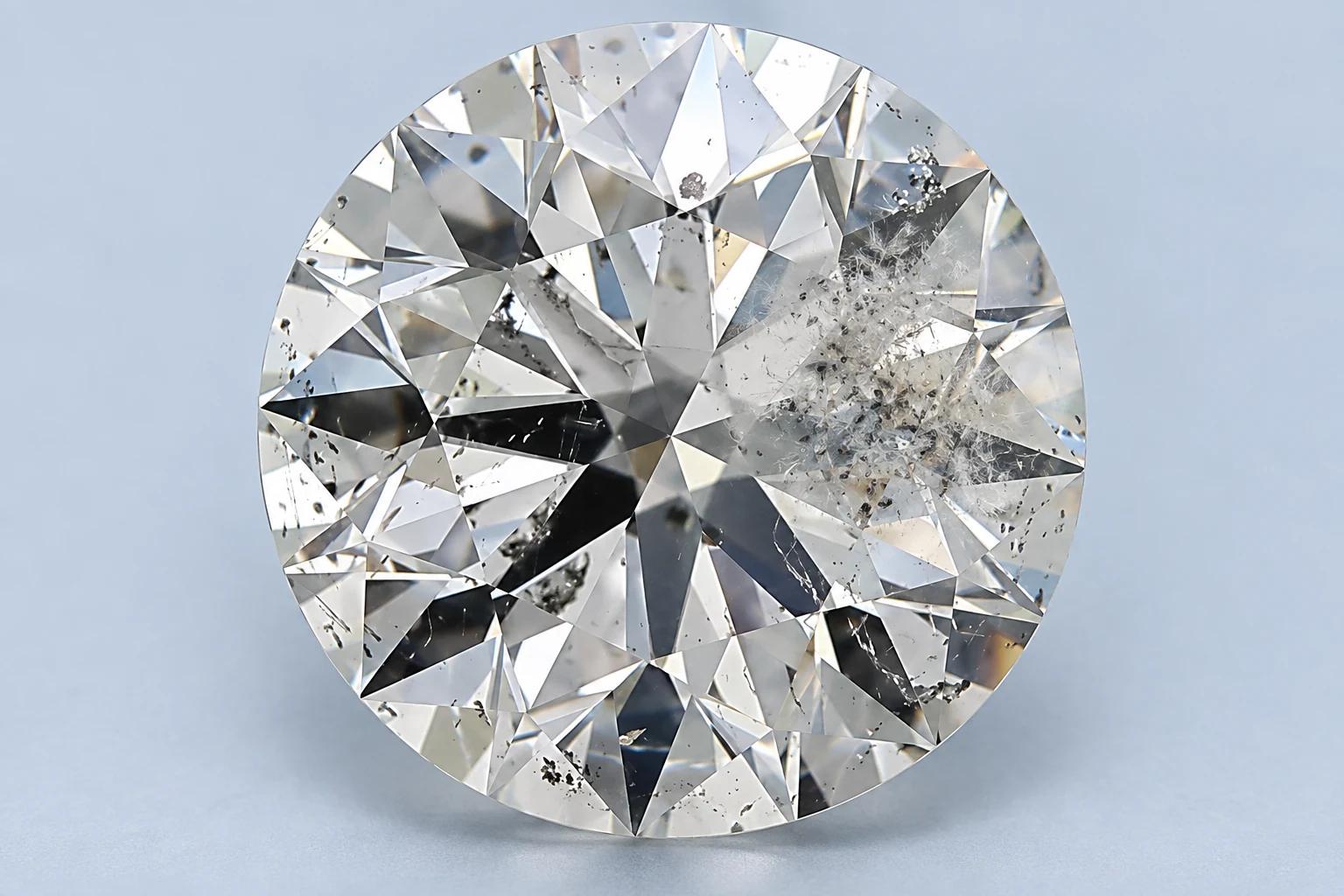
Cloud or busy plot
Ask whether transparency or the face up appearance is affected.
Color and size need context.
Color visibility changes with shape, setting metal, side view, lighting, and the buyer's sensitivity. Visible size changes with shape, depth, millimeter dimensions, and the setting around the diamond.
A higher color grade can be money well spent for a color sensitive buyer. A lower grade can be the smarter choice when the setting and shape make the difference hard to see.
Carat is weight
Compare millimeter dimensions and face up spread. A deeper diamond can carry more weight underneath without looking larger from above.
Compare carat and millimeters↗Start with the question you are trying to answer.
I am buying natural
Use a GIA first process, then inspect the actual stone and seller terms.
I am comparing two stones
Apply the same evidence to both candidates. A missing video or mismatched report matters.
I need a second opinion
Send the listing, report, price, and the quality concern you want reviewed.
Keep the grades in their lane
Bring the diamond you are considering.
We’ll help you see which quality differences matter and what still needs proof.