START HERE
Natural Diamond Buying Checklist
Use this when you need the safe order before money changes hands.
Free expert guidance by email or video chat.
No pressure, No sales pitch. Just honest help from diamond experts.
By Josh Allen, Co-Founder of YourDiamondGuys.com. Fifth generation diamantaire with 25 years of experience in the global diamond trade. Former supplier to Tiffany & Co., Cartier, and Harry Winston.
Natural diamonds are earth formed stones, but origin does not make them automatically beautiful.
It means the diamond formed in the earth. That is origin. It is not a cut grade, a value guarantee, or proof that the stone looks good in real light.
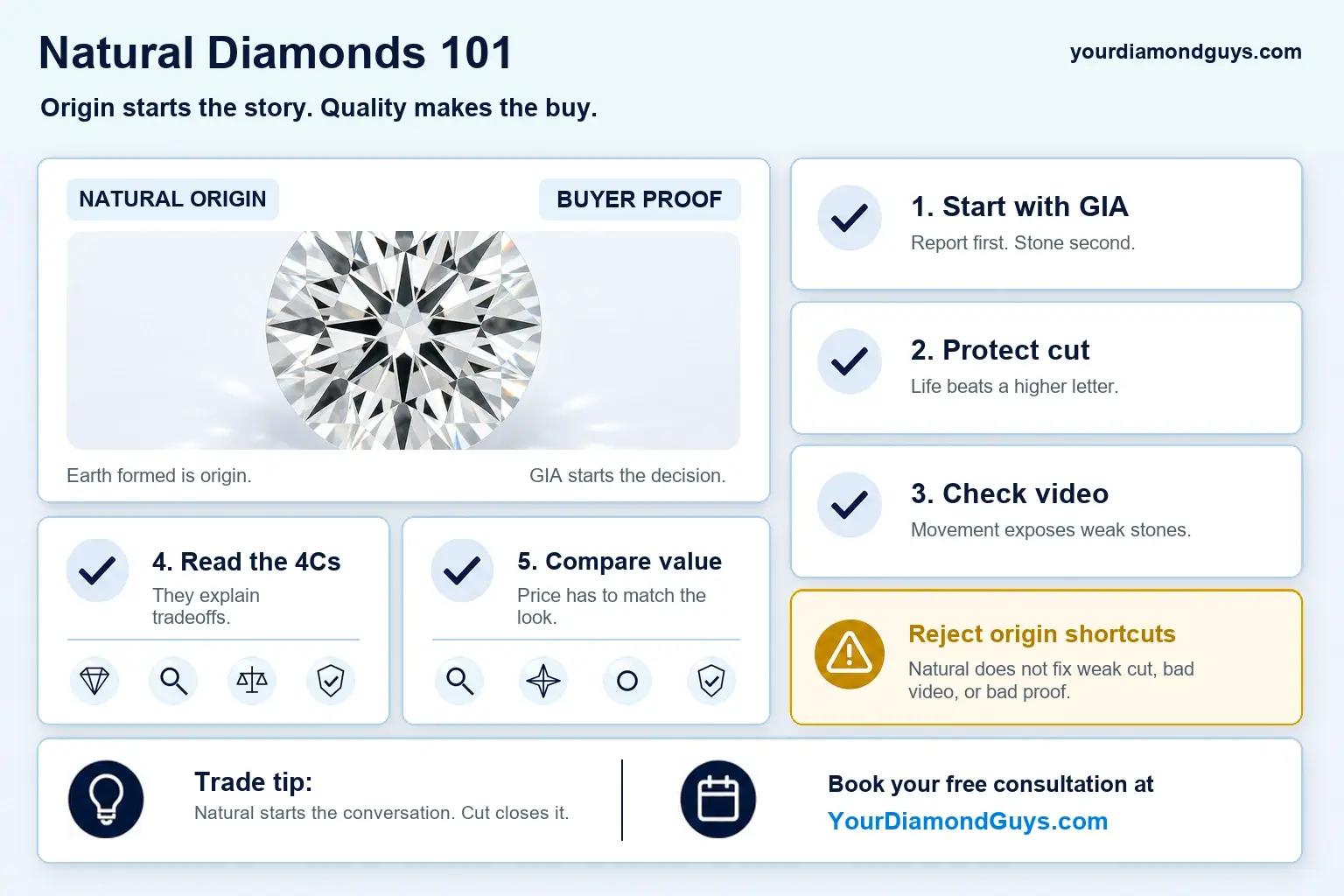
For natural diamonds, start with GIA. The report gives the first facts worth trusting, then the actual diamond still has to prove itself in video, images, and normal lighting.
Inside the trade, origin gets the conversation started. Cut, color, clarity, measurements, fluorescence, and the way the stone moves decide whether anyone gets excited.
Natural origin tells you where the diamond came from. It does not tell you whether the diamond has strong light return, clean transparency, a smart price, or the right look for the ring.
That is the first mental reset. A natural diamond can be rare and still be poorly cut. A natural diamond can have clean paperwork and still look flat once it leaves jewelry store lighting.
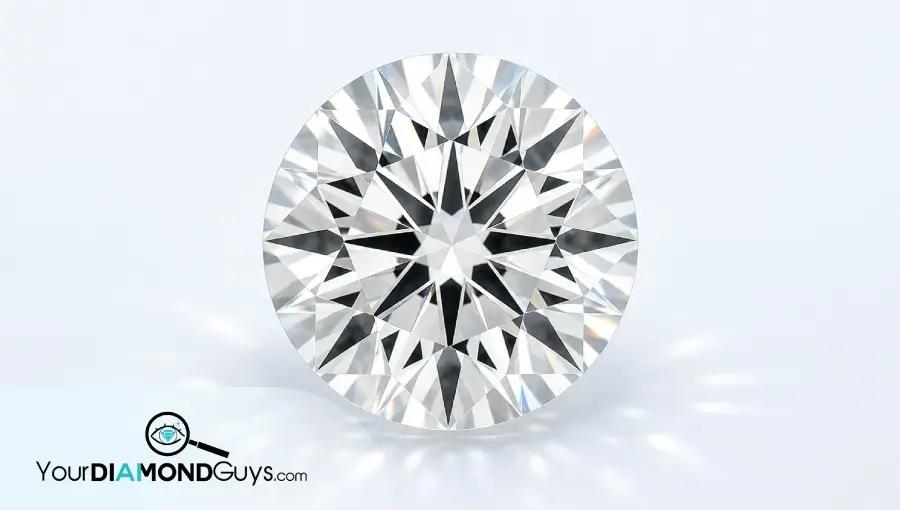
Use the 4Cs as a language system, not as a shopping shortcut. Cut controls life. Color controls visible warmth. Clarity controls visible inclusions and risk. Carat is weight, not size.
Then move into the deeper checks. Diamond cut quality decides whether the stone has life. Diamond color decides whether the stone looks white enough in the chosen setting. Diamond shape changes how all of those grades behave.
Use this hub like a dealer desk shortcut. Start with proof, then move into the quality, value, sourcing, and lifetime guides that match the decision in front of you.
Use this when you need the safe order before money changes hands.
Read the report like a buyer, not like a certificate collector.
Match report, inscription, measurements, photos, and seller claims.
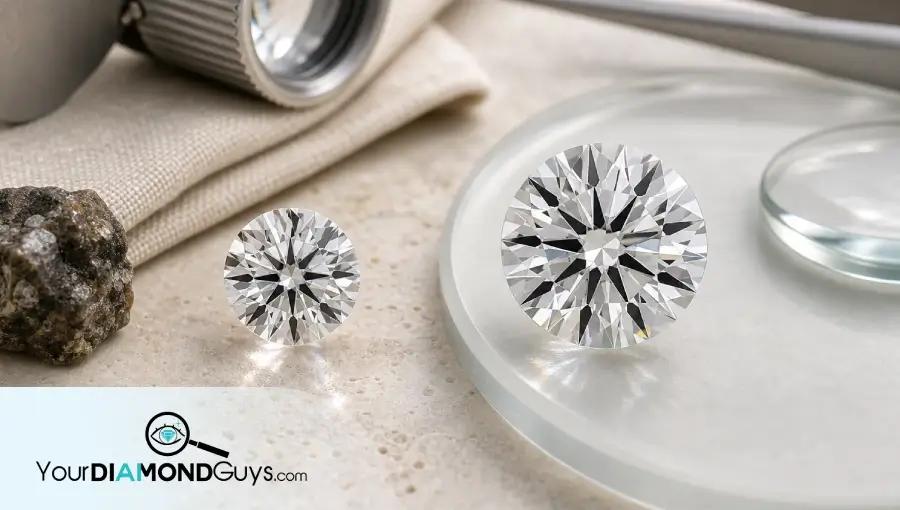
Decide what matters first, rarity, size, budget, or sentiment.
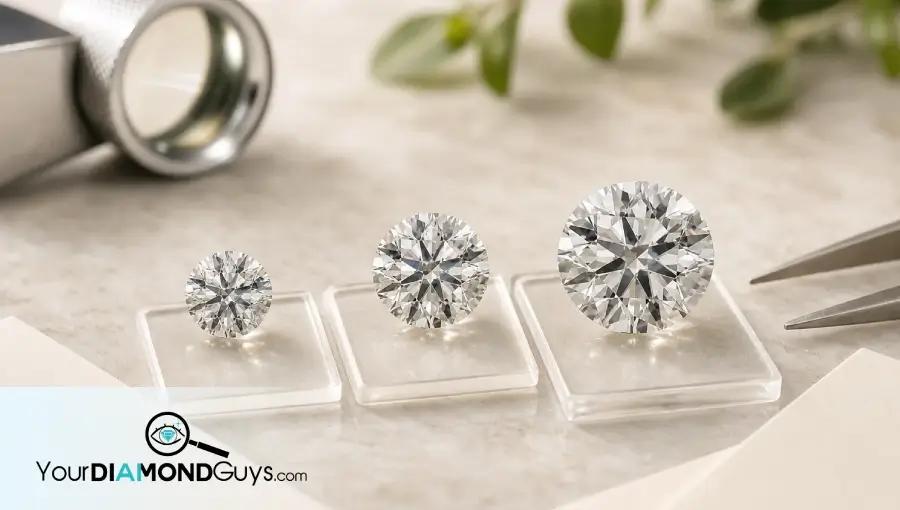
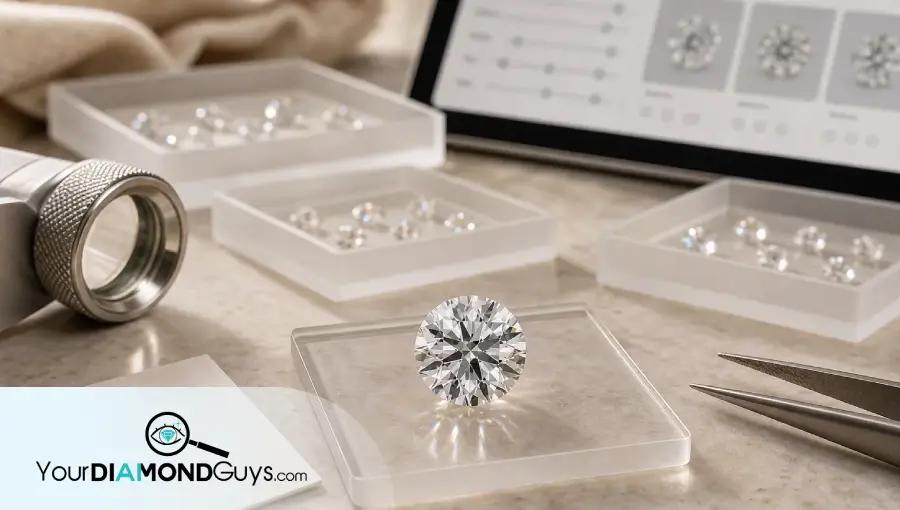
Narrow the list without letting filters make the buy for you.
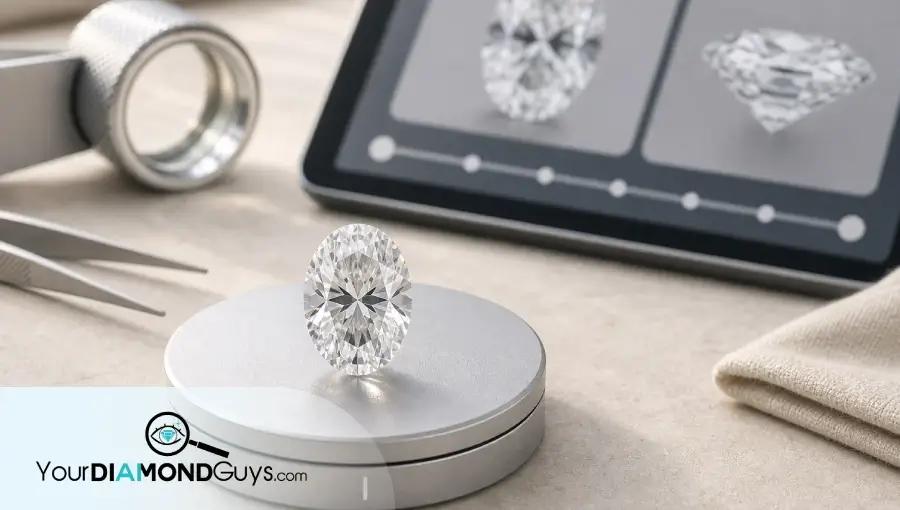
Spot flat centers, messy movement, windowing, and weak life.
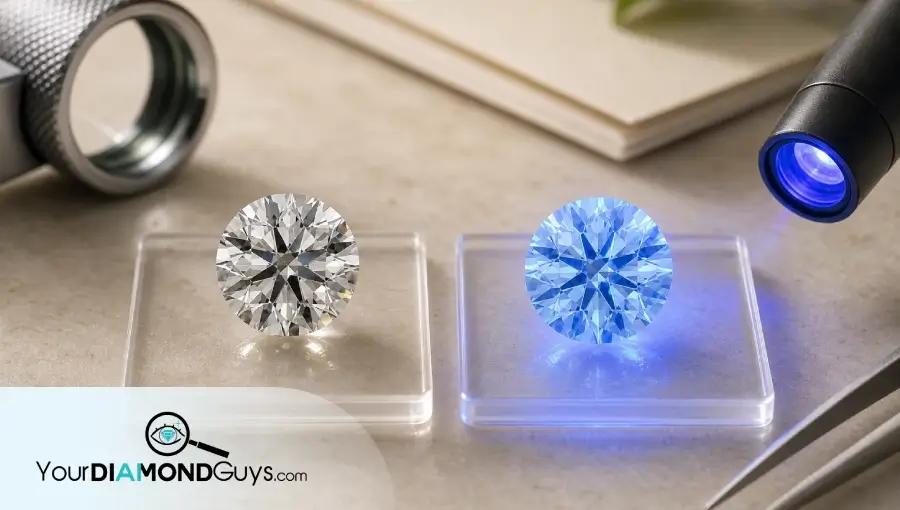
Know when fluorescence helps, hurts, or needs daylight proof.
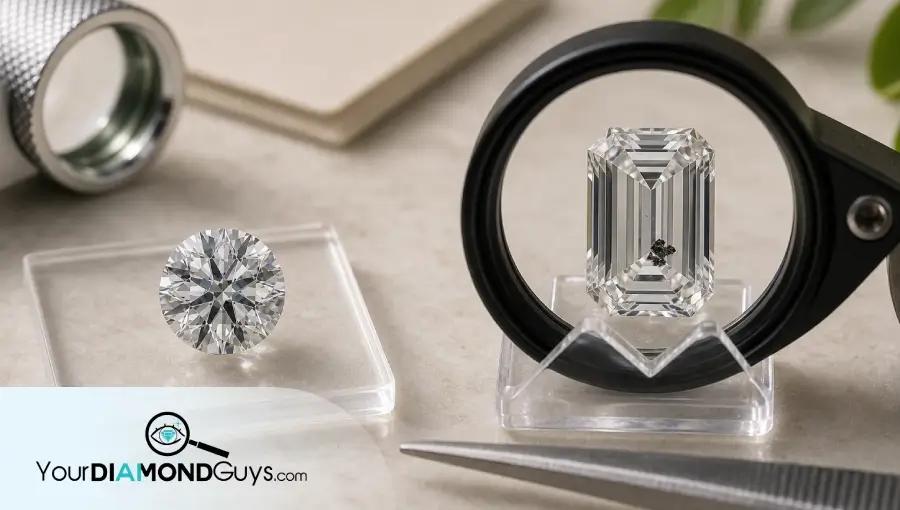
Separate harmless personality from durability or transparency trouble.
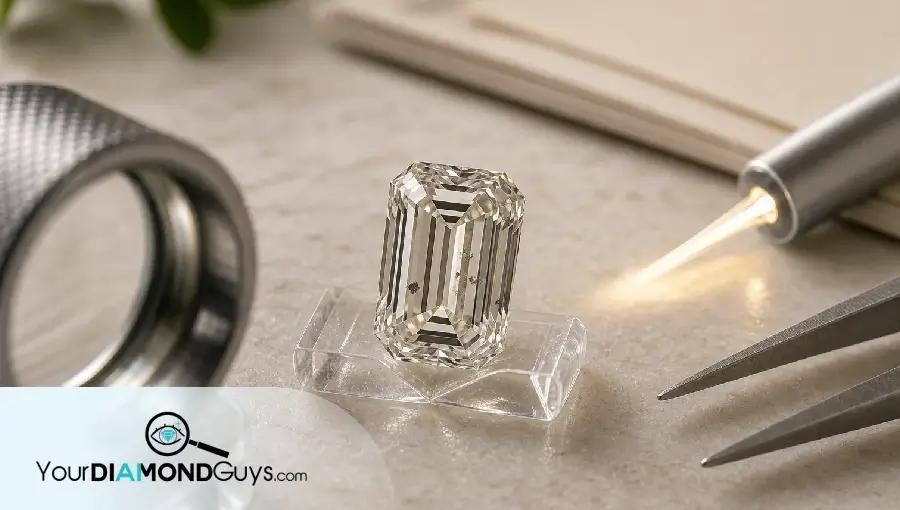
Understand what treatment means before a low price looks tempting.
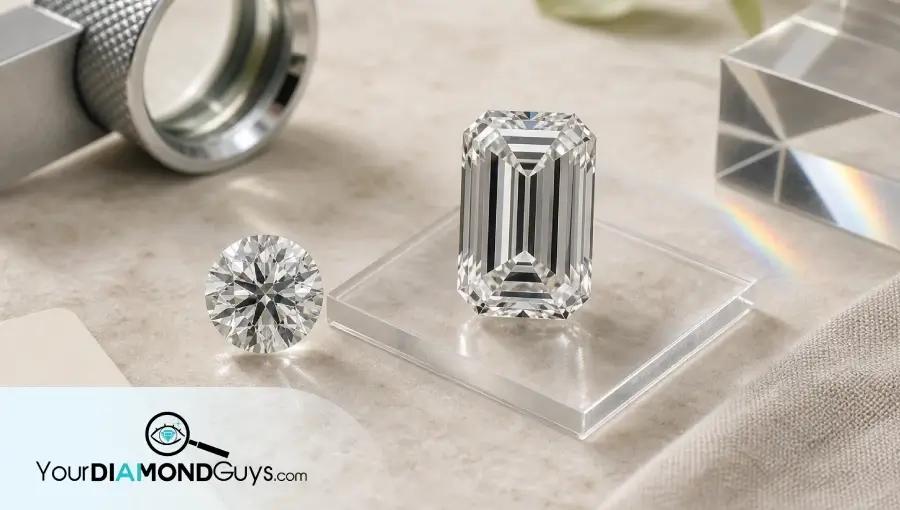
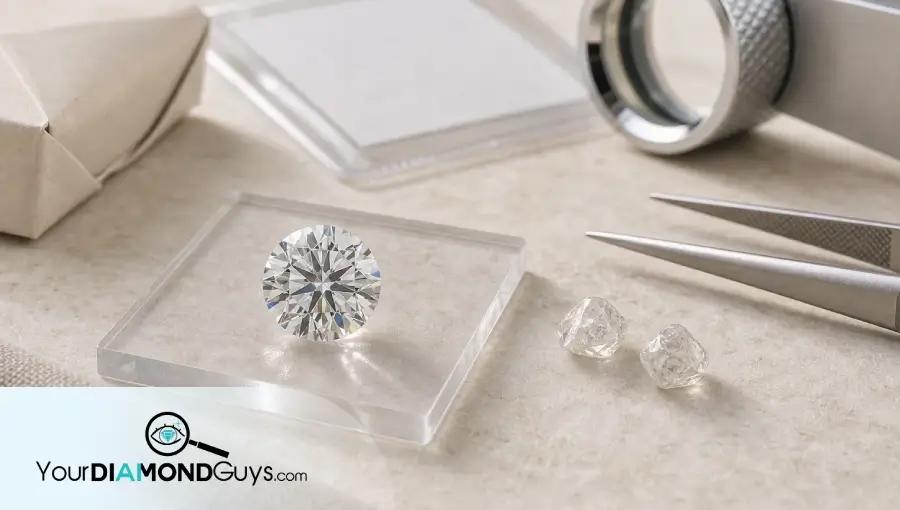
Treat the claim as a start, then ask what else proves sourcing.
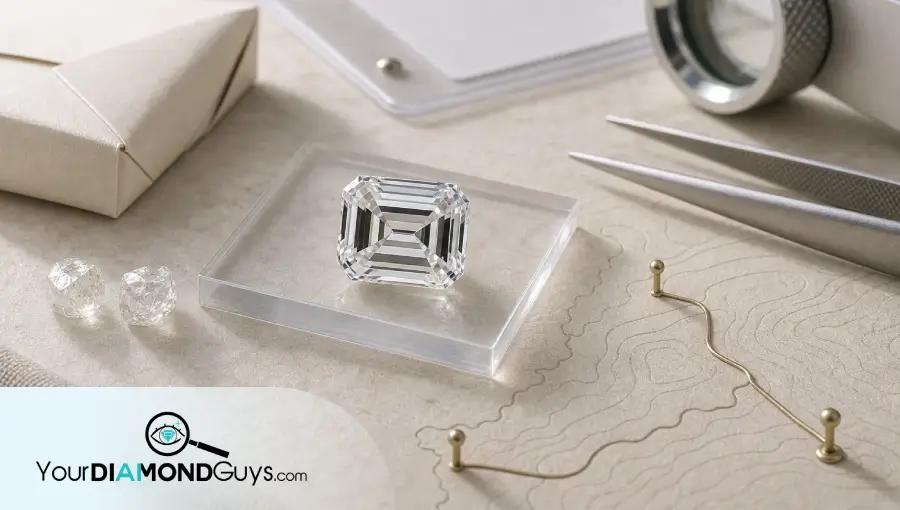
Use origin details when proof, price, and quality still line up.
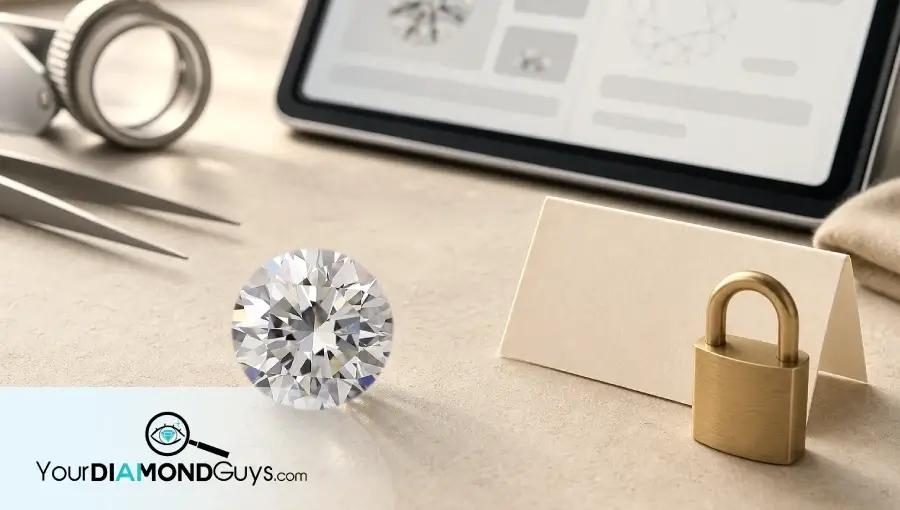
Protect the purchase with proof, video, return terms, and seller checks.
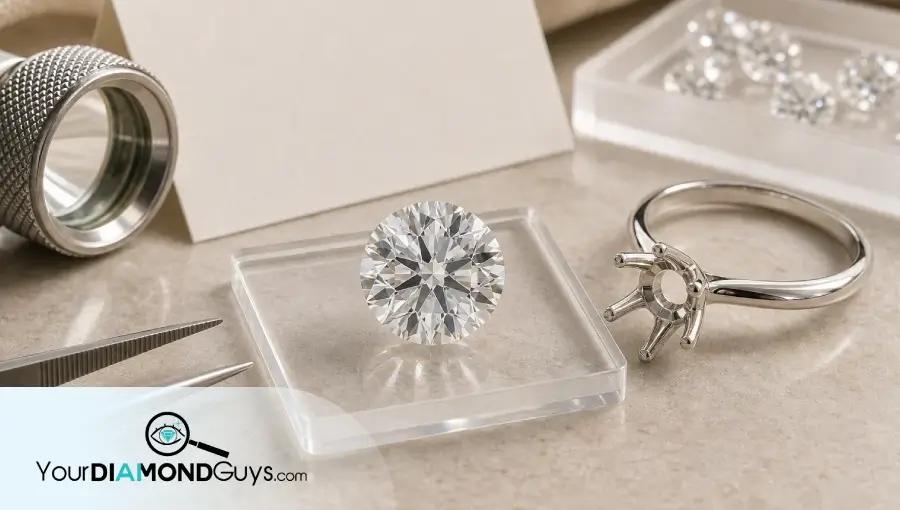
Balance daily wear, setting style, cut, color, clarity, and budget.
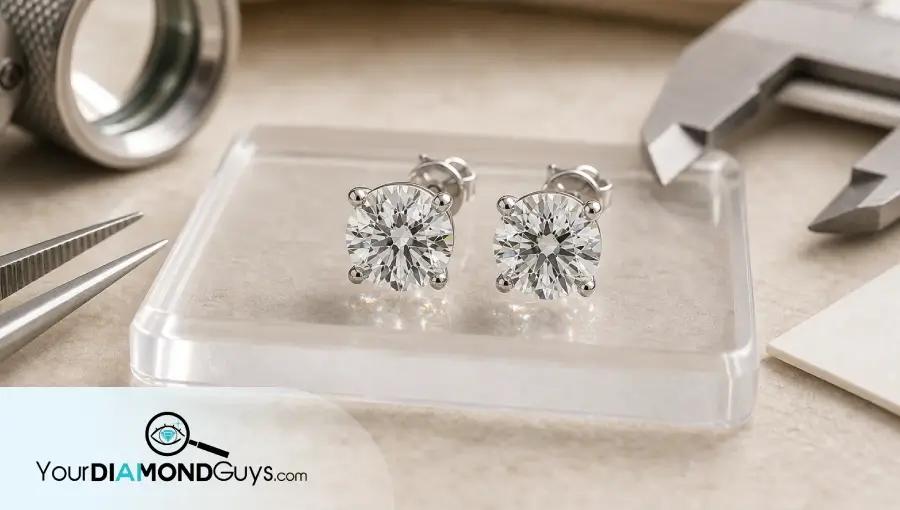
Match spread, brightness, color, and face up size before paper specs.
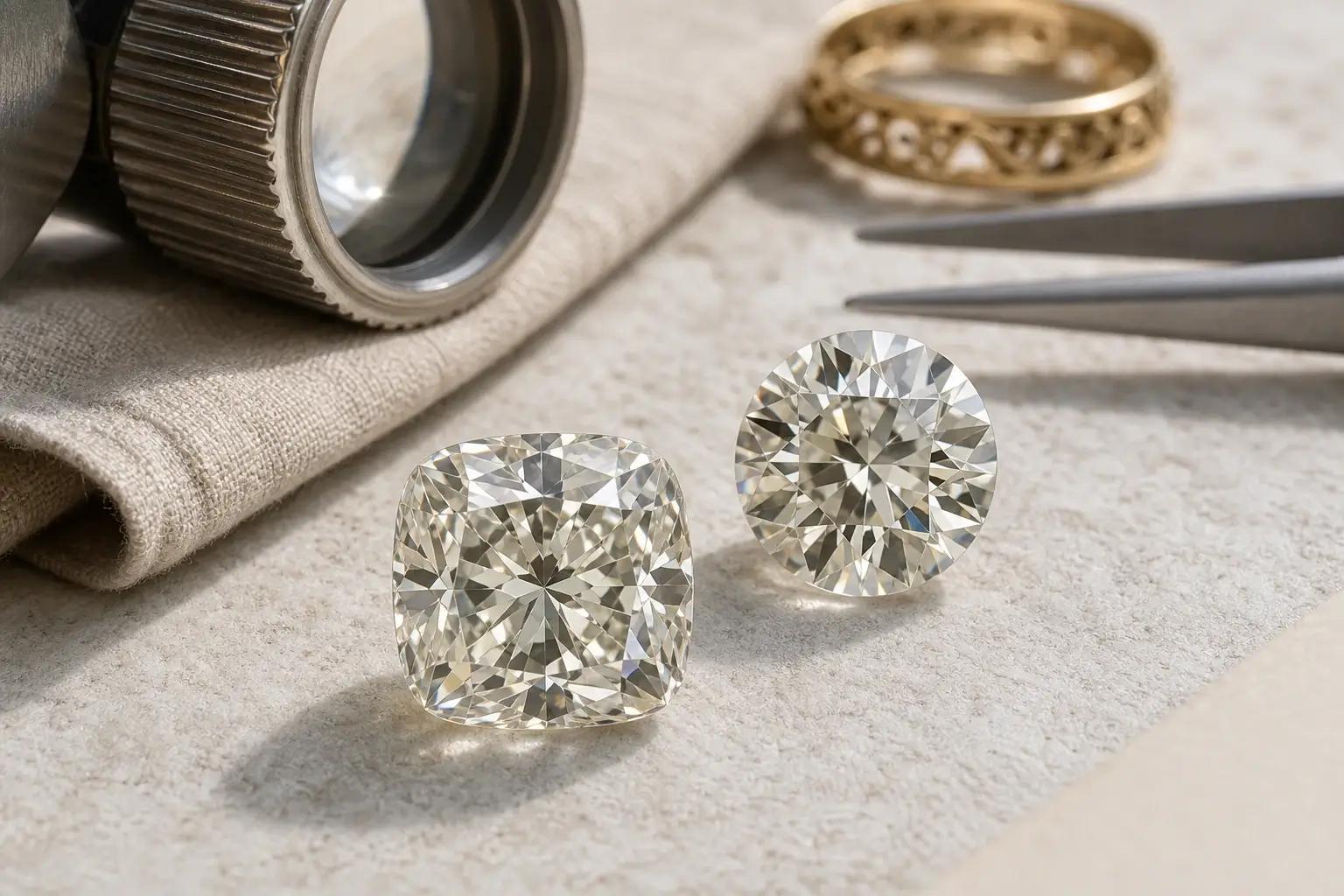
Love the character, but still check condition like a serious buyer.
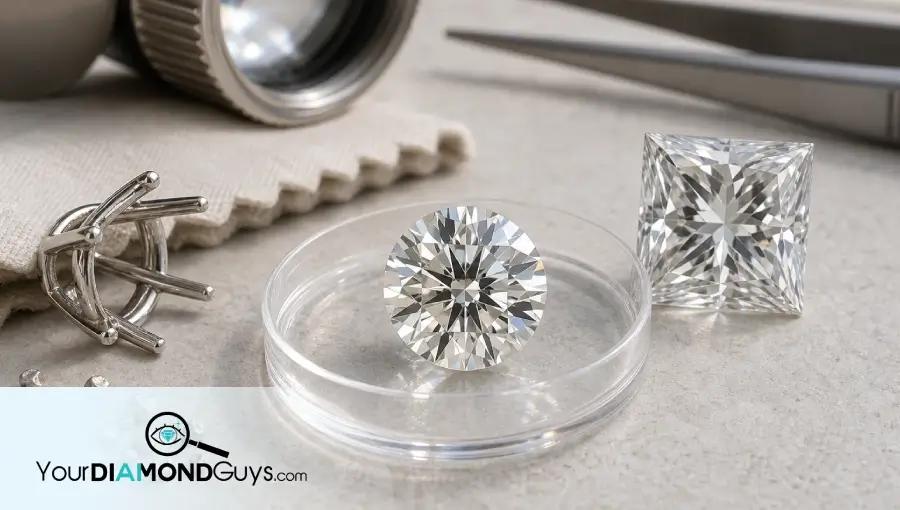
Smart buy or messy risk, depending on proof and condition.
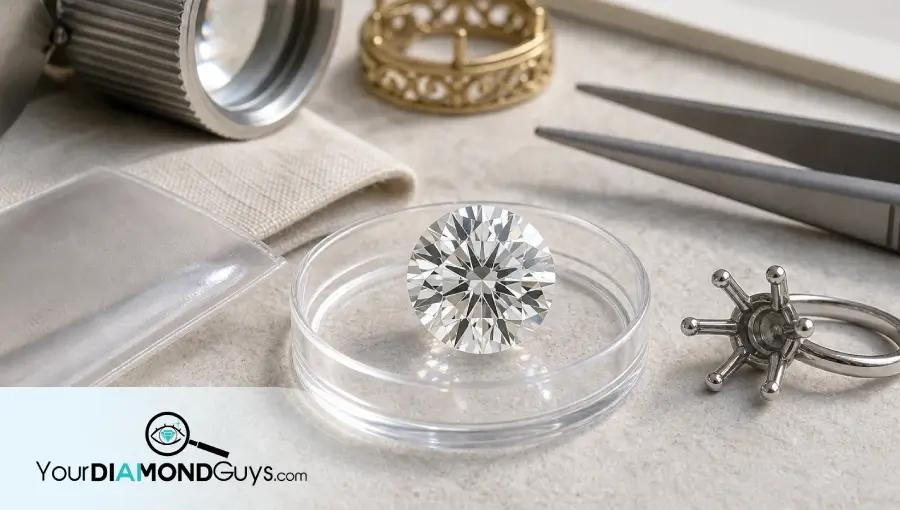
Choose a stone that future buyers can understand, verify, and enjoy.
Use this as the plain English filter before you compare individual stones.
| Buyer Question | What It Means | Where To Go Next |
|---|---|---|
| Is it natural? | Origin and report disclosure | GIA report guide |
| Does it look alive? | Cut, contrast, and light return | cut quality guide |
| Does it look white enough? | Color grade in the real setting | color guide |
| Does the shape fit the buyer? | Style, spread, durability, and visibility | shape guide |
Buy the natural diamond for the actual stone, not for the word natural. I want GIA paperwork, strong cut, clean video, and a price that matches the visible quality.
Reach out to Rob or me at YourDiamondGuys.com, or book your free consultation. We will look at the actual stone with you.
A buyer comparing a natural diamond against a lab grown diamond should decide what matters first. Tradition, rarity, and long term sentiment point natural. Size for budget points lab grown. Both still need proof.
A buyer sees a natural one carat diamond with a clean report and a lower price. The video looks dull under the table. I would rather step down slightly in color or carat and buy the stone with better cut and cleaner movement.
Use these sites as comparison tools, not automatic recommendations. I would compare similar natural diamonds on Ritani and Blue Nile, then judge each stone by the GIA report, video, spread, and price. If the diamond looks weak, the link does not save it.
Questions? Reach out directly for a free consultation, or drop them in the Diamond Buyers Academy community — Rob and Josh answer personally.
*Some links on our site may earn us a small commission at NO EXTRA cost to you, helping us keep our content free*